
Overly talkative clients can be a real challenge. On the one hand, it’s great that they’re sharing openly during coaching, but on the other, it can be frustrating when you can’t get a word in edgewise during a session.
As a coach, this can be a particularly tricky tightrope to walk. You want to be honest and provide valuable feedback, especially since their rambling might be impacting them at work and in life, but how do you bring it up without damaging the coaching relationship?
Let’s dive into some strategies for handling this delicate situation.
Why Are Some Clients Overly Talkative?
For starters, why are some clients more long-winded than others?
A major reason for overly talkative clients is nerves or social anxiety. Coaching can make people feel vulnerable, and some of us respond to these uncomfortable or new feelings by talking… a lot.
Another common reason for talkative clients is loneliness. Your coaching session may be the only time they feel truly seen and heard.
People’s cultures, backgrounds, lived experiences, and personalities can further impact how they talk. Some people are just naturally more talkative.
Ask for Permission to Interrupt
One strategy worth considering is to ask permission to interrupt your clients who ramble from the get-go. During your first coaching session with a client, you might consider including this in any housekeeping you cover during the session.
This might sound something like, “As your coach, I might need to interrupt you occasionally. This allows me to clarify points or ensure we’re staying on track with your goals. Is that okay with you?”
Preempting the conversation will make it less awkward when you need to interrupt them later.
Involve Your Client in the Process
Taking this approach a step further, you might consider asking your clients how they would like you to respond when they ramble.
This might sound something like, “Some clients tend to share lengthy responses, which can make it difficult to reach their coaching goals in our limited time together. Would you like me to interrupt you in those moments, or would it be helpful for me to let you keep speaking?”
Some clients want to be made aware when they’re overly talkative, while others appreciate having the coaching space to think freely without interruption, even if it means they’re giving monologues.
Allow Them Space to Talk
Speaking of which, not all rambling is bad. Sometimes allowing clients to talk openly without interfering can lead to powerful insights.
After a long share, you might reflect something along the lines of, “Wow, you just shared a lot with me. Let’s take a breath. What one item would you like us to dive into?” or “That was a lot of great information. What did you notice in your body as you shared it?”
Of course, you will want to cater your response to your client, your relationship, and your coaching goals.
Get Your Own Coaching
Lastly, consider why you want to interrupt your clients when they’re talking. This is their coaching session, after all.
Do you want to clarify something important?
Fill the silence?
Feel useful?
Or perhaps it stems from your own impatience?
Be mindful that interruptions can sometimes shift the focus away from the client’s process and onto your own agenda. So, try to notice what’s underneath the urge to jump in. If it keeps happening, you might want to explore it further with a coach or therapist.
When in doubt, try giving the client the gift of presence and patience. Trust that silence can be just as transformative as speaking.
Summary
At the end of the day, your role as a coach is to support and empower your clients in reaching their goals and full potential. Consider their background, lived experiences, current situation, and how you can best support them as you decide if and how you might interject. You’ve got this!
Build Your Coaching Toolkit
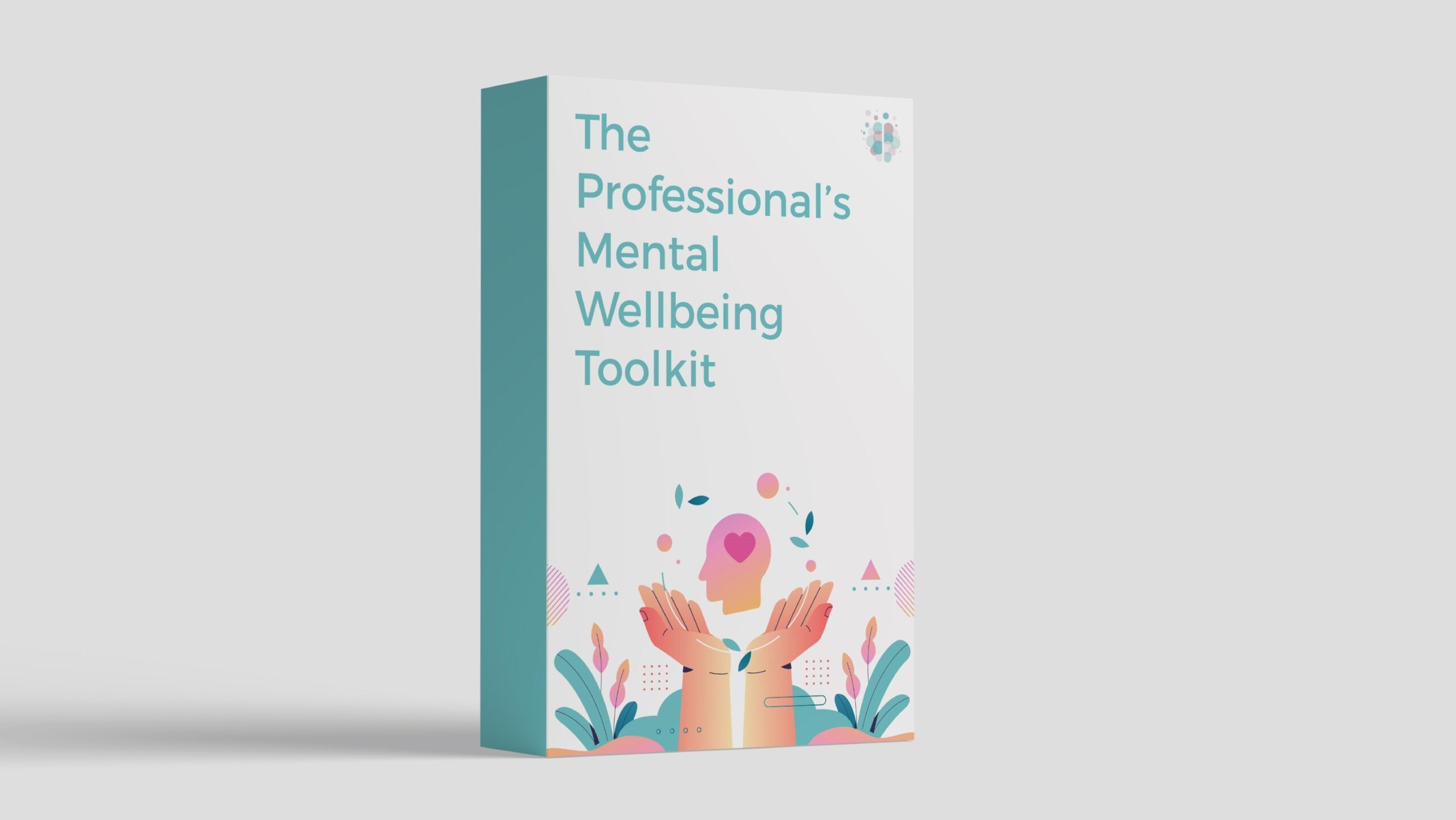
Want a library of practical tools to share with clients? Check out The Professional's Mental Wellbeing Toolkit today. It's "everything you need all in one place."



About Kyle
Dr. Kyle Elliott, MPA, CHES (he/him/his) is the founder and career coach behind CaffeinatedKyle.com. He is an official member of the invitation-only Forbes Coaches Council, a member of the Gay Coaches Alliance, and a Stability Leader with The Stability Network.
Kyle’s words have been featured in Business Insider, CNBC, CNN, Entrepreneur, Fast Company, Forbes, Fortune, and The New York Times, among dozens of other leading publications. When not helping Silicon Valley’s top talent find jobs they LOVE, you will find him at Starbucks or Disneyland.