
Below is an excerpt from our free resource for helping professionals, Teaching Mindfulness to Clients (21 page PDF).
This resource is packed with practical tools you can use right away with your clients, including:
- 10 Tips for Teaching Mindfulness – simple strategies to make mindfulness accessible.
- Guided Meditation Scripts for a variety of techniques:
- Progressive Muscle Relaxation (PMR)
- Body Scan
- Mindful Breathing
- Loving-Kindness (LKM)
- Mantra Meditation
- Visualization
- Vipassana
Whether you’re a therapist, coach, or wellbeing facilitator, this guide gives you a wide variety of ready-to-use scripts to enhance your sessions.
Download your free guide and start using these tools with your clients today.
Progressive Muscle Relaxation (PMR) Script
Note: In PMR, the recommended duration for holding each muscle contraction is typically 5 to 10 seconds. Releasing the tension and noticing relaxation can be done for the same duration.
Let’s start by settling into a comfortable position. You might lie down on your back with your arms by your sides and your legs slightly apart. Or perhaps you’re sitting in a comfortable chair with your feet flat on the floor and your hands resting on your lap.
Now, gently close your eyes.
Give yourself permission to slow down and be present for the duration of this meditation.
During progressive muscle relaxation, it’s important to listen to your body's signals. If you feel any discomfort or pain, adjust the tension or skip that muscle group.
Let's start with your feet. Curl your toes tightly, as if you're trying to pick up a pencil with them. Hold this tension for a few seconds.
[Brief pause]
Now, release and let your feet relax. Notice the difference between tension and relaxation in your feet.
[Brief pause]
Now, tense the muscles in your calves by pointing your toes toward your head. Hold this tension for a moment.
[Brief pause]
Now, release. Notice the sensation of relaxation spreading through your legs.
[Brief pause]
Next, tense the muscles in your thighs by squeezing your thigh muscles tightly. Feel the tension building as you hold this position for a few seconds.
[Brief pause]
Now release, and notice the sensation of relaxation in your thighs.
[Brief pause]
Moving up to your abdomen, tighten your stomach muscles by sucking your belly button in towards your spine. Hold for a few seconds.
[Brief pause]
And release. Notice the difference between tension and relaxation in your stomach.
[Brief pause]
Next, tense the muscles in your chest and back by squeezing your shoulder blades together. Feel the tension in your upper body
[Brief pause]
Now exhale and release, allowing your chest and back to relax. Notice the difference between tension and relaxation here.
[Brief pause]
Now, clench your fists.
[Brief pause]
And release. Notice the feeling of relaxation here.
[Brief pause]
Tighten your forearms by bending your hands back at the wrist.
[Brief pause]
Now, let your arms go limp by your sides. Notice how heavy they feel. Sense the tension melting away from your hands and arms.
[Brief pause]
Moving up to your shoulders, bringing them up towards your ears to create tension in your neck and shoulders.
[Brief pause]
Now release. Notice how the tension dissolves from your neck and shoulders.
[Brief pause]
Finally, scrunch up your face for a few seconds by squeezing your eyes shut and clenching your jaw.
[Brief pause]
And release. Feel your facial muscles completely relax. Notice the difference between tension and relaxation in your face.
[Brief pause]
Now, move your jaw from side to side while keeping your teeth clenched.
[Brief pause]
Now, stop and relax. Notice the difference between tension and relaxation in your jaw.
[Brief pause]
Now, gently bring your awareness back to the room.
[Brief pause]
Wiggle your toes and have a gentle stretch.
[Brief pause]
And whenever you're ready, gently open your eyes.
[Brief pause]
Remember that you can tune into your body and release feelings of tension throughout the day. Common areas we hold tension are the shoulders, neck, and jaw.
The simple practice of allowing your muscles to relax can help you reduce stress and cultivate a stronger sense of calm.
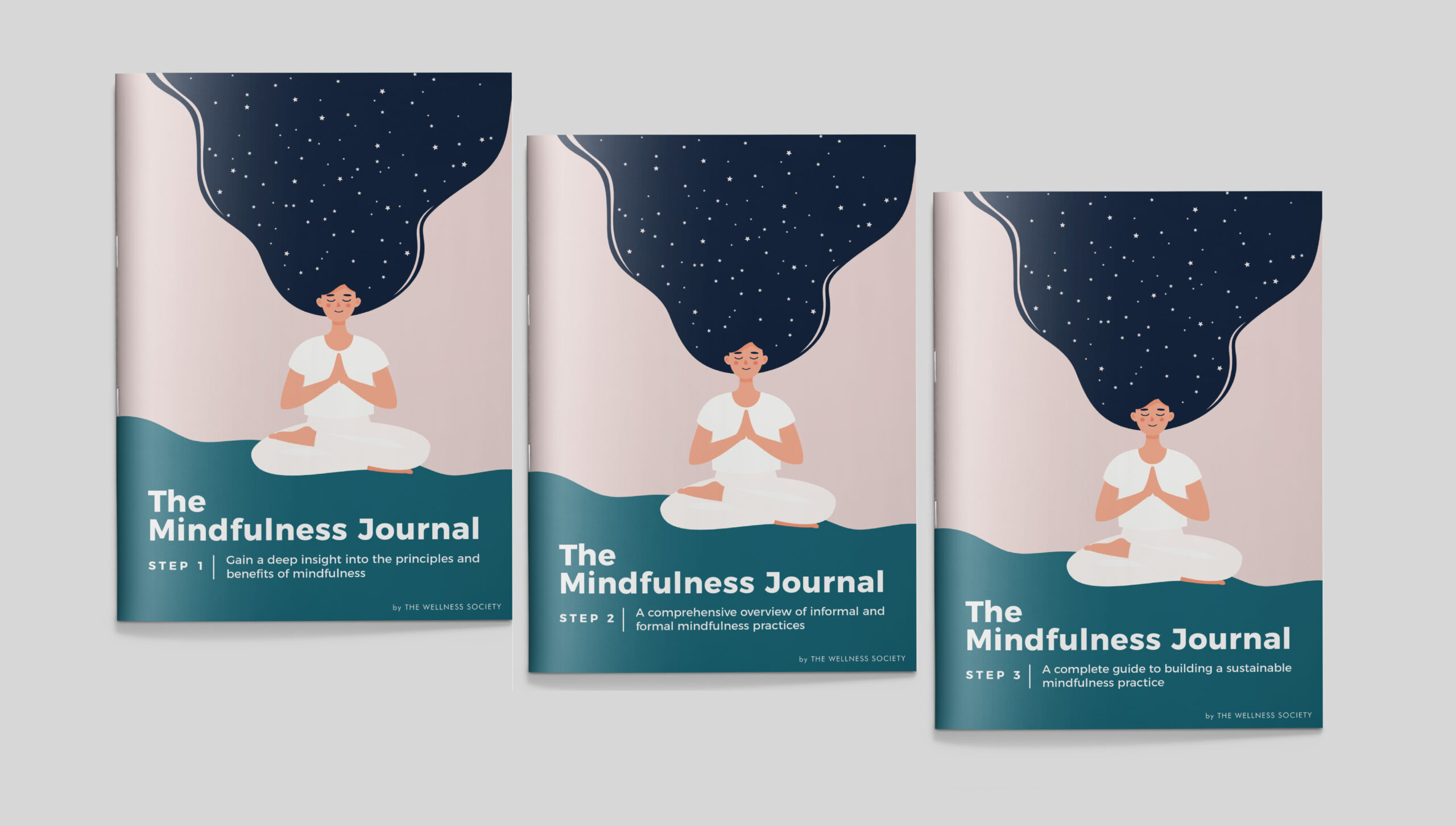
Want an Affordable Mindfulness Toolkit?
Everything you need to encourage clients to cultivate mindfulness – from understanding the science, to step-by-step instructions, challenges, and tools for tracking progress. Discover The Mindfulness Journal today.

About Rebecca
Rebecca Marks is the founder of The Wellness Society, a social enterprise that has supported thousands on their journey to mental wellbeing.
Her tools have been shared by the NHS and featured by Mind, the UK’s leading mental health charity. She comes from a career in mental health charity management, facilitating peer support programs and co-producing initiatives with service users.
Learn more about our story on the About page.