
Aging is often associated with physical transitions, but just as significant, though less pronounced, are the emotional and mental shifts that come with it. Among older adults, mental health challenges that many may face include loneliness, anxiety, and major life changes like retirement, loss of loved ones, or relocating to a home care or nursing care environment.
These kinds of experiences can have an impact on how connected we feel and how we see our role in the world. As we age, taking care of our mental health is just as essential as looking after our physical wellbeing, though it's something that’s often neglected. Understanding and addressing these challenges is key to maintaining a high quality of life in our later years.
Understanding the Emotional Landscape of Aging
Growing older often brings emotional changes that can feel deeply personal and, at times, hard to make sense of. Loneliness is a common struggle, especially as people face the loss of close relationships or deal with limited mobility.
Anxiety may also increase, sometimes brought on by health issues, money worries, or the broader stress of the world around us. Big life changes, like leaving a long-term job, becoming a caregiver, or moving out of a family home, can shake our sense of identity. Meeting these challenges with honesty and self-compassion is key to maintaining mental wellbeing.
How to Cope with Loneliness
As people grow older, feelings of loneliness can become more frequent, often brought on by events like the death of a loved one or stepping away from a long-held career.
Whether it’s spending time with family, reconnecting with friends, or participating in community events, regular social interaction really does help us feel better. Getting involved in local groups, joining a new class, or volunteering can also bring structure and meaning to daily life.
Digital tools like video chats and online communities offer additional ways to stay connected and feed that social connection we crave. Even caring for a pet can provide companionship.
Managing Anxiety
Anxiety creeps into the mind in the most subtle ways. It can reveal itself as restlessness, difficulty sleeping, or excessive worrying. Recognising these signs is the first step toward relief.
Incorporating relaxation techniques, such as deep breathing and meditation, can help calm the mind. Seeking therapy or counselling can provide you with tools to manage anxious thoughts. It's also important to check in with a doctor, since anxiety may be linked to underlying health issues or medication side effects.
Addressing anxiety early on can make life feel more balanced, empowering you to navigate challenges with more confidence.
Navigating Major Life Transitions
Find a new purpose during the retirement years through mentoring, hobbies, part-time work, or volunteering. These methods can help fill that space with meaning. Losing a spouse or close friend can be painful, but processing through support groups and grief counselling might offer comfort and connection during these difficult times.
Downsizing or moving also comes with an emotional weight, as it often involves parting ways with a longtime home and familiar people and routines. These transitions are challenging, but they also open the door for growth and reinvention.
Exploring Spirituality
For many older adults, later life invites deeper reflection on meaning, purpose, and what truly matters. Exploring spirituality – whether through books, nature, art, or personal reflection – can become a profound source of comfort. It doesn’t have to be tied to a specific religion; spirituality means cultivating a sense of connection to something greater than ourselves.
Practices like prayer and meditation can help calm the mind. Spiritual exploration also provides perspective, helping us make peace with change, loss, and the passage of time. Joining a spiritual community can help ease feelings of loneliness, while solitary practices such as journaling can bring daily moments of stillness and joy.
Seeking Help and Building Resilience
There’s no shame in asking for help. Many older adults are incredibly resilient, adapting to life's changes with strength and wisdom; still, support matters. Community resources, such as senior centers, support groups, and faith-based organizations, can offer guidance.
Check in with yourself regularly and recognise when you need support, as this is a vital part of mental wellbeing. Prioritising how you feel isn't a sign of weakness; it's a step toward a healthier, more fulfilling life.
Summary
Mental wellbeing matters at every age. By recognising the impact of things like loneliness or anxiety, seniors can use the tools and resources available to them and take meaningful steps toward lasting wellness.
Complete mental wellness isn't a destination; it’s an ongoing process. With compassion, awareness, and support, life after 65 can be a time of continued growth, connection, and purpose.
Helpful Tools
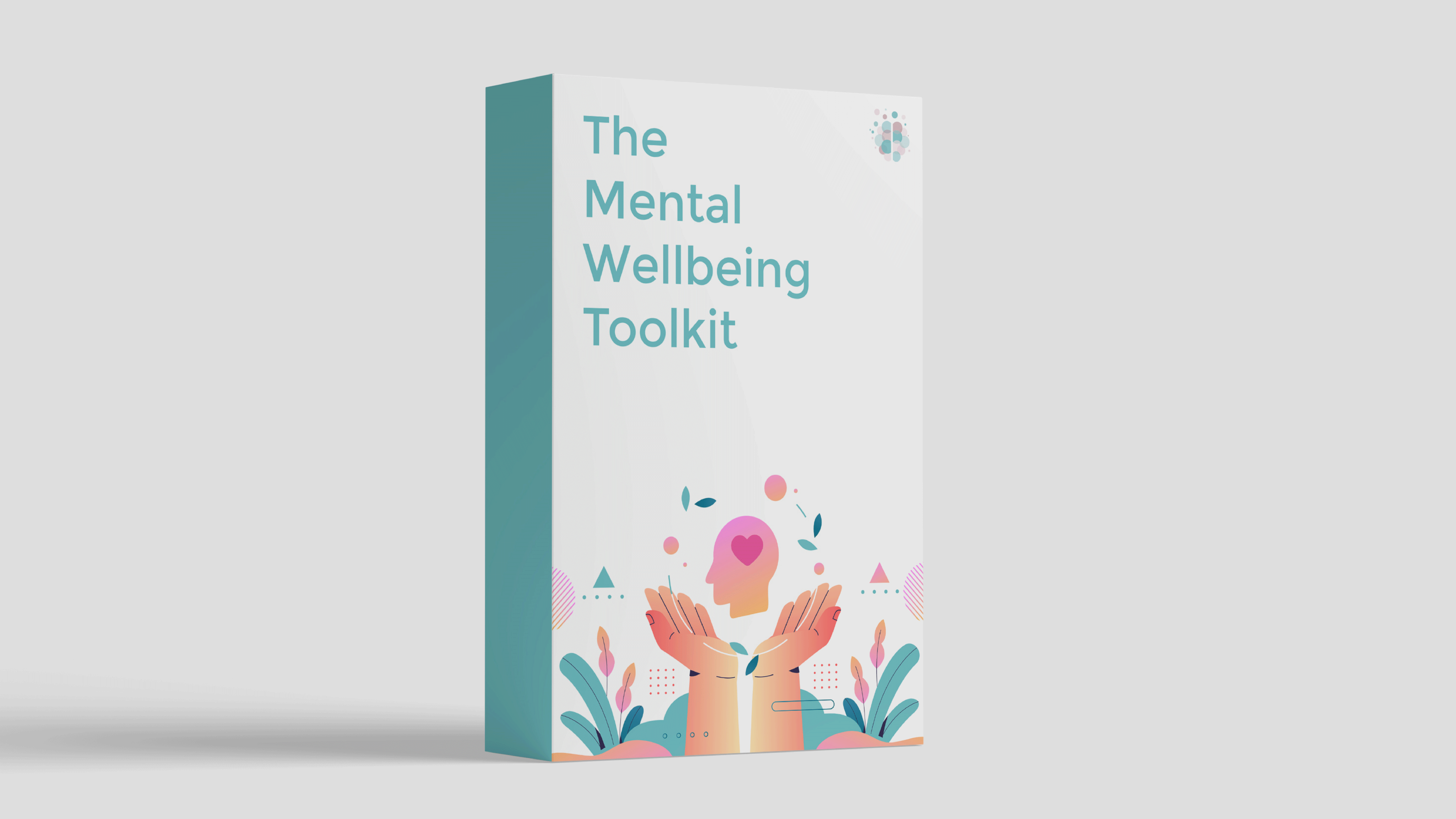
Our self-guided program includes tools from CBT, DBT, ACT and more, so you can discover what works best for you. Check out The Mental Wellbeing Toolkit today – it's "like 10 therapy sessions in one."



About Rebecca
Rebecca Marks is the founder of The Wellness Society, a social enterprise that has supported thousands on their journey to mental wellbeing.
Her tools have been shared by the NHS and featured by Mind, the UK’s leading mental health charity. She comes from a career in mental health charity management, facilitating peer support programs and co-producing initiatives with service users.
Learn more about our story on the About page.