
Growing older comes with both joys and challenges. On one hand, many seniors enjoy more free time, the chance to pursue hobbies, and the wisdom that comes with life experience. On the other, everyday routines may require more planning, health needs become more pressing, and fulfilling your social needs may become challenging.
Fortunately, a growing body of technology is helping ageing seniors live independently, comfortably, and with greater peace of mind. From platforms that encourage social connections to apps that support wellness habits, there are countless ways for seniors to stay active and engaged.
This article explores a wide range of helpful resources for seniors, spanning daily routines, wellness practices, and digital innovations that make ageing more enjoyable.
1. The Importance of Structured Daily Routines
A well-planned routine provides a sense of stability and security, especially for older adults. When physical abilities or memory begin to shift, having predictable habits can make a world of difference.
- Morning rituals. Starting the day with gentle stretching, deep breathing, or a short walk sets the tone for the rest of the day. Even five minutes of movement improves circulation and reduces stiffness.
- Meal timing. Eating at consistent times helps regulate digestion and energy levels. Seniors can benefit from simple weekly meal plans that include balanced proteins, fiber-rich foods, and hydration reminders.
- Rest and relaxation. Establishing a consistent bedtime routine encourages restorative sleep. This may include dimming lights, turning off screens an hour before bed, or enjoying calming activities like listening to soft music.
Over time, these small daily practices reinforce independence and give seniors the confidence to manage their own wellbeing.
2. Platforms for Social Engagement
Social connections play a critical role in both emotional and physical health. Studies show that seniors who maintain strong social ties are less likely to experience depression, cognitive decline, and even chronic illness. Thankfully, online platforms make it easier than ever for seniors to stay engaged.
- Virtual communities. Seniors can join hobby-based groups – from book clubs to gardening forums – where they connect with like-minded people without leaving home.
- Video communication. Simple video call platforms allow seniors to see and talk with loved ones across the world. For grandparents, this can be an especially rewarding way to stay connected with younger family members.
- Support networks. Online spaces dedicated to caregiving, health management, or wellness provide encouragement and practical advice for those navigating ageing-related changes.
These connections combat loneliness while offering seniors opportunities to keep learning and growing well into their later years.
3. Self-Care and Wellness Practices
Self-care often gets overlooked in discussions about ageing, yet it’s one of the most empowering ways for seniors to maintain vitality. Adopting manageable wellness practices supports both body and mind.
- Gentle exercise. Activities like yoga, tai chi, and chair aerobics are low-impact yet highly effective in improving balance, coordination, and flexibility. There are plenty of free videos on YouTube to try out.
- Stress relief. Simple practices like meditation, breathing exercises, or spending time in nature reduce stress and improve mental clarity.
- Nutrition awareness. Tracking meals or planning a week’s menu ensures that seniors maintain energy and meet their nutrient needs. Even hydration reminders can be transformative for overall health.
Taking a holistic approach to wellness ensures seniors don’t just focus on physical health but also cultivate joy, relaxation, and resilience in daily life.
4. Digital Tools and Apps for Healthy Living
Technology can feel intimidating at first, but user-friendly apps designed with seniors in mind are becoming more common. These tools serve as gentle reminders, motivators, and guides to help maintain healthy habits.
- Medication reminders. Apps can send alerts when it’s time to take prescriptions, reducing the risk of missed doses.
- Movement encouragement. Fitness apps can set small, realistic goals such as “stand up and stretch every hour” or “walk for 10 minutes today.”
- Healthcare incentives. Some wellness apps even offer healthcare incentives for completing healthy activities, such as medication management and daily check-ins.
By blending accountability with encouragement, these apps transform healthy choices into habits that stick.
5. Monitoring Tools for Safety and Independence
One of the biggest concerns for seniors – and their families – is safety. Modern monitoring devices can dramatically improve independence.
- Wearable devices. Smartwatches and fitness trackers can measure heart rate, sleep patterns, and activity levels. Many even offer fall detection features that alert caregivers in emergencies.
- Home safety tools. Voice-activated assistants, motion-sensor lighting, and emergency response buttons provide added security at home.
- Health tracking platforms. Some digital systems integrate multiple data points (such as daily activity, vital signs, and medication compliance) into one easy-to-read dashboard for both seniors and caregivers.
These tools allow seniors to remain independent for longer while ensuring help is available if it’s ever needed.
6. Staying Mentally Active Through Lifelong Learning
Healthy ageing isn’t just about physical wellness – it’s also about keeping the mind sharp. Lifelong learning provides stimulation, purpose, and joy.
- Online classes. Many platforms now offer courses in history, art, technology, or languages tailored to older learners.
- Creative pursuits. Writing, painting, or playing a musical instrument provides stimulation and mental wellbeing.
- Problem-solving activities. Puzzles, chess, and strategy games engage memory and cognitive skills in fun ways.
Summary
Ageing is all about finding new ways to thrive. Seniors today have more resources than ever to support independence, health, and happiness. With structured routines, meaningful social engagement, self-care practices, and helpful technologies, seniors can embrace their later years with confidence.
Helpful Tools
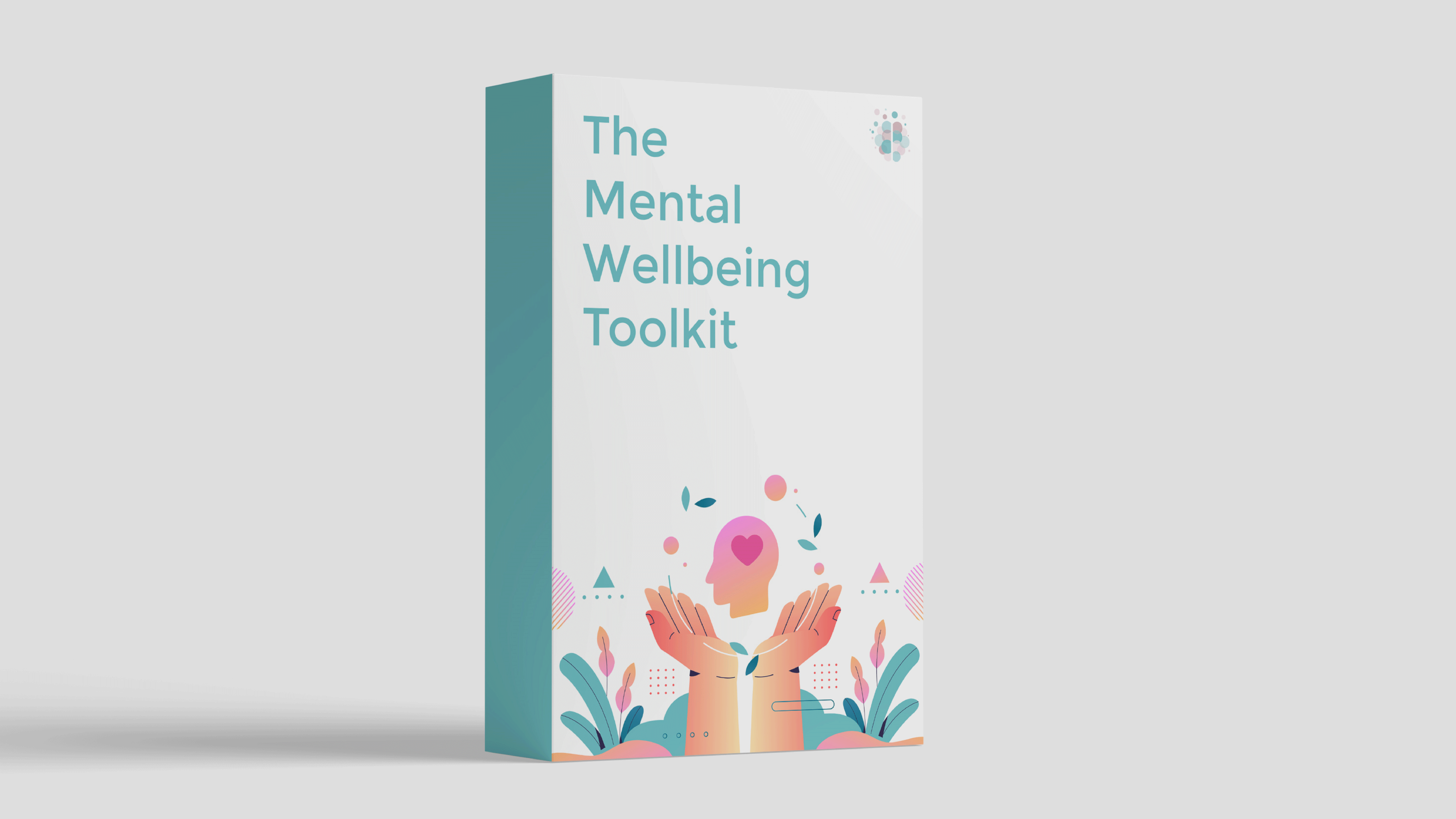
Our self-guided program includes tools from CBT, DBT, ACT and more, so you can discover what works best for you. Check out The Mental Wellbeing Toolkit today – it's "like 10 therapy sessions in one."



About Rebecca
Rebecca Marks is the founder of The Wellness Society, a social enterprise that has supported thousands on their journey to mental wellbeing.
Her tools have been shared by the NHS and featured by Mind, the UK’s leading mental health charity. She comes from a career in mental health charity management, facilitating peer support programs and co-producing initiatives with service users.
Learn more about our story on the About page.