
Below is an excerpt from our free resource for helping professionals, Teaching Mindfulness to Clients (21 page PDF).
This resource is packed with practical tools you can use right away with your clients, including:
- 10 Tips for Teaching Mindfulness – simple strategies to make mindfulness accessible.
- Guided Meditation Scripts for a variety of techniques:
- Loving-Kindness (LKM)
- Body Scan
- Mindful Breathing
- Progressive Muscle Relaxation (PMR)
- Mantra Meditation
- Visualization
- Vipassana
Whether you’re a therapist, coach, or wellbeing facilitator, this guide gives you a wide variety of ready-to-use scripts to enhance your sessions.
Download your free guide and start using these tools with your clients today. If you only need the Loving-Kindness Meditation script, it’s available to download separately below.
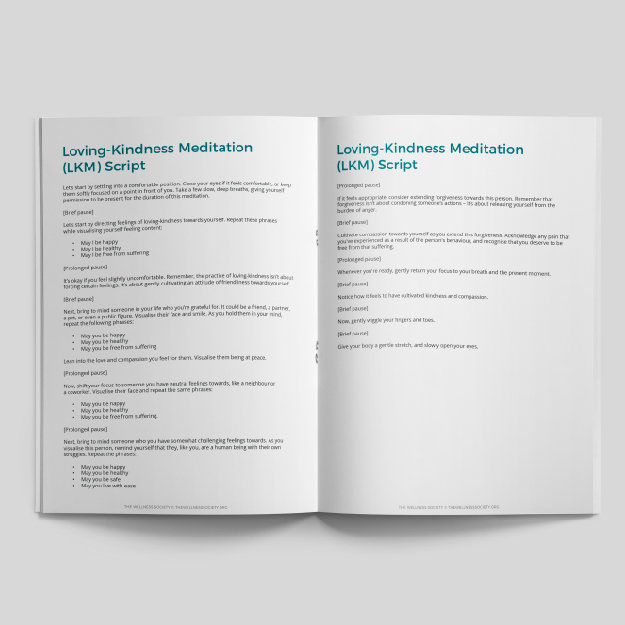
Loving Kindness Meditation (LKM) Script
Let’s start by settling into a comfortable position. Close your eyes if it feels comfortable, or keep them softly focused on a point in front of you. Take a few slow, deep breaths, giving yourself permission to be present for the duration of this meditation.
[Brief pause]
Let’s start by directing feelings of loving-kindness towards yourself. Repeat these phrases while visualising yourself feeling content:
- May I be happy
- May I be healthy
- May I be free from suffering
[Prolonged pause]
It’s okay if you feel slightly uncomfortable. Remember, the practice of loving-kindness isn’t about forcing certain feelings. It’s about gently cultivating an attitude of friendliness towards yourself.
[Brief pause]
Next, bring to mind someone in your life who you’re grateful for. It could be a friend, a partner, a pet, or even a public figure. Visualise their face and smile. As you hold them in your mind, repeat the following phrases:
- May you be happy
- May you be healthy
- May you be free from suffering
Lean into the love and compassion you feel for them. Visualise them being at peace.
[Prolonged pause]
Now, shift your focus to someone you have neutral feelings towards, like a neighbour or a coworker. Visualise their face and repeat the same phrases:
- May you be happy
- May you be healthy
- May you be free from suffering.
[Prolonged pause]
Next, bring to mind someone who you have somewhat challenging feelings towards. As you visualise this person, remind yourself that they, like you, are a human being with their own struggles. Repeat the phrases:
- May you be happy
- May you be healthy
- May you be safe
- May you live with ease
[Prolonged pause]
If it feels appropriate, consider extending forgiveness towards this person. Remember that forgiveness isn’t about condoning someone’s actions – it’s about releasing yourself from the burden of anger.
[Brief pause]
Cultivate compassion towards yourself as you extend this forgiveness. Acknowledge any pain that you've experienced as a result of the person's behaviour, and recognise that you deserve to be free from that suffering.
[Prolonged pause]
Whenever you're ready, gently return your focus to your breath and the present moment.
[Brief pause]
Notice how it feels to have cultivated kindness and compassion.
[Brief pause]
Now, gently wiggle your fingers and toes.
[Brief pause]
Give your body a gentle stretch, and slowly open your eyes.
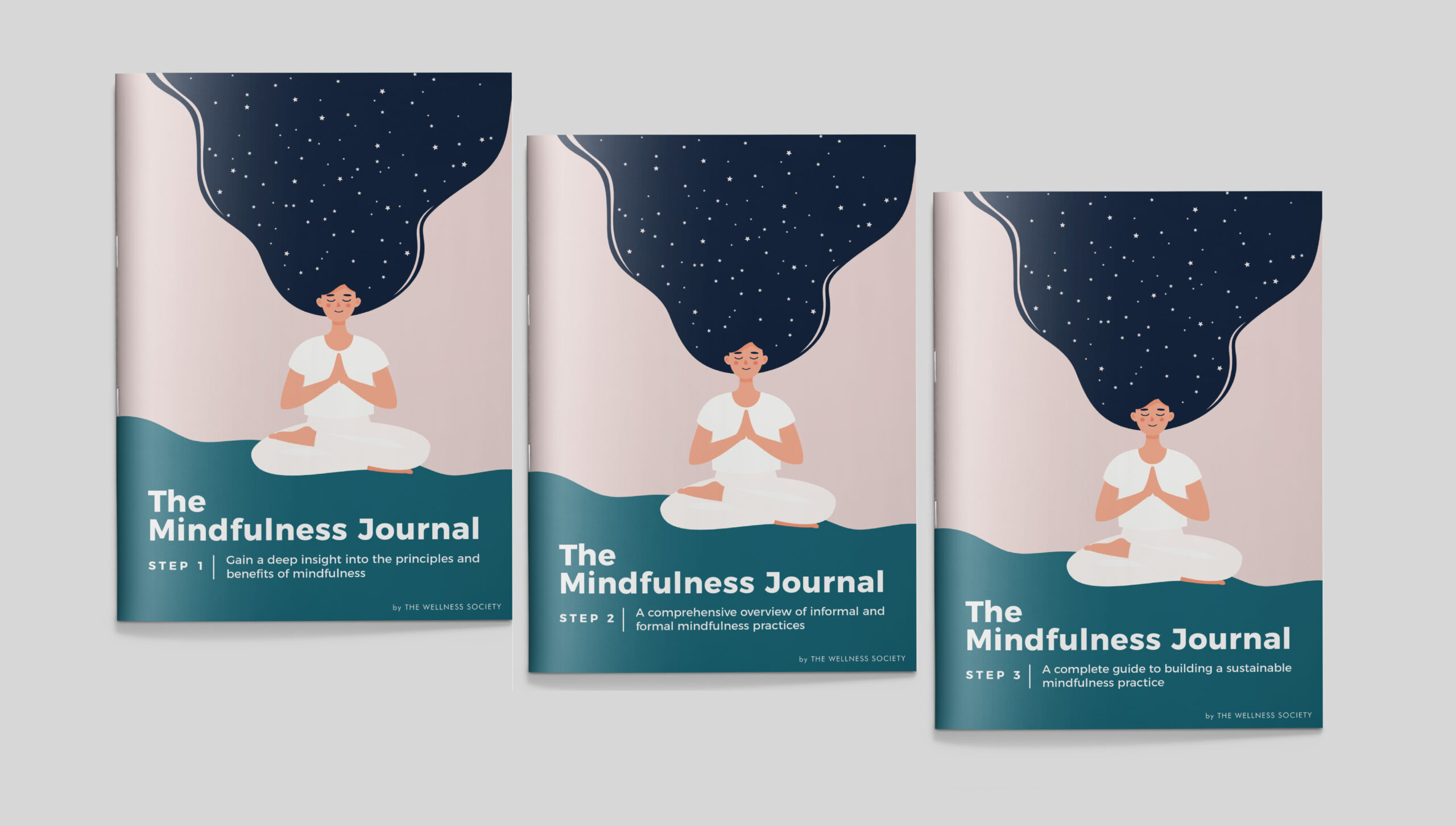
Want an Affordable Mindfulness Toolkit?
Everything you need to encourage clients to cultivate mindfulness – from understanding the science, to step-by-step instructions, challenges, and tools for tracking progress. Discover The Mindfulness Journal today.



About Rebecca
Rebecca Marks is the founder of The Wellness Society, a social enterprise that has supported thousands on their journey to mental wellbeing.
Her tools have been shared by the NHS and featured by Mind, the UK’s leading mental health charity. She comes from a career in mental health charity management, facilitating peer support programs and co-producing initiatives with service users.
Learn more about our story on the About page.