
Do you find yourself struggling with scattered attention, restlessness, or impulsive behaviour, even when you’re trying your best to stay focused?
You might resonate with ADHD (Attention-Deficit/Hyperactivity Disorder). ADHD is often associated with children and males – and it’s particularly underdiagnosed in women.
One of the main reasons for this diagnostic gap is gender bias. Women are frequently misdiagnosed with anxiety, depression, or other mood disorders rather than ADHD. Understanding the ways ADHD manifests in women can help improve recognition, treatment, and quality of life.
In this article, we’ll delve into the signs of ADHD in women, along with potential strategies for managing symptoms.
ADHD in Women
ADHD symptoms generally fall into three categories: inattention, hyperactivity, and impulsivity, but the ways these present can differ by gender.
Common Symptoms
- Difficulty focusing, especially on repetitive or uninteresting tasks
- Struggling with organisation and time management
- Forgetfulness, missing deadlines, or misplacing items
- Restlessness, fidgeting, or difficulty sitting still
- Impulsivity in decisions, speech, or behaviour
- Excitement about new projects but difficulty completing them
While these patterns are classic ADHD symptoms, it’s important to recognise that women may present more subtly, often leading to misdiagnosis or delayed identification.
Inattention Symptoms
Research shows women with ADHD are more likely to have internal symptoms like daydreaming, mental overwhelm, or emotional sensitivity, rather than the external hyperactivity often observed in males.
Key considerations:
- Daydreaming, distraction, or “zoning out” may be perceived as laziness or lack of motivation
- Internalised symptoms are harder for others (and sometimes even the women themselves) to notice
- Misdiagnosis with anxiety or depression is common because of overlapping features like worry, low mood, or perfectionism
Social biases also contribute to misdiagnosis: inward symptoms like daydreaming in girls can be harder for others to recognise as something unusual, which can delay evaluation.
Hyperactivity and Impulsivity Symptoms
Although the symptoms of inattention are more common in women, it’s also possible to experience hyperactive and impulsivity issues. It can look like:
- Racing thoughts, fidgeting, and having a hard time relaxing
- Talking excessively and cutting people off, blurting out thoughts in conversations
- Being impulsive in decision-making, like overspending on unnecessary things
Since hyperactivity in women is often presented as anxiety, these symptoms often get overlooked.
Emotional Signs
ADHD symptoms can lead to various emotional consequences, such as:
- Feeling intense and quickly changing emotions
- Difficulty managing frustration or hiding disappointment
- Being very sensitive to criticism and rejection
- Chronic low self-esteem, shame, or feeling “not enough”
These manifestations can negatively impact relationships and may contribute to other mental health issues. However, ADHD is not the only possible cause of these signs, so it’s important to see a healthcare provider if you experience troublesome symptoms that affect your mood and daily life.
Impact on Daily Life
ADHD in women can significantly affect daily functioning:
- Career. Difficulty meeting deadlines, managing projects, and staying organised can hinder professional advancement.
- Relationships. Forgetfulness, emotional reactivity, and inconsistent attention can strain friendships, romantic partnerships, and parenting.
- Self-esteem. Repeated perceived failures may lead to chronic shame and self-criticism.
- Mental health. Anxiety, depression, and eating disorders are highly common among women with ADHD, often masking the core symptoms.
What to Do if This Resonates
If these patterns resonate with you, it’s important to seek a professional assessment. You can pursue an ADHD diagnosis and treatment online or through in-person services. Getting an ADHD diagnosis can help provide clarity, validation, and access to effective support.
Many women struggle for years feeling “lazy,” “scattered,” or “overwhelmed,” not realising their challenges are associated with a neurodevelopmental condition. A formal diagnosis can open doors to tailored treatments that improve focus, emotional regulation, and daily functioning. It also empowers you to understand your strengths and challenges, making life feel more manageable and fulfilling.
Potential strategies for managing ADHD include:
Medications
- Stimulants (e.g., methylphenidate, amphetamines) are often first-line treatments.
- Non-stimulants may be appropriate if stimulants are ineffective or contraindicated.
- Medications can help reduce core ADHD symptoms, making other strategies more effective.
Therapies
- Cognitive Behavioural Therapy (CBT). Helps manage unhelpful thoughts, develop organisation strategies, and regulate emotions.
- Dialectical Behaviour Therapy (DBT). Useful for emotional dysregulation and impulsivity.
ADHD Coaching
- Focuses on practical skills for time management, goal setting, and organisation.
- Provides accountability and external structure, which many women with ADHD find transformative.
Lifestyle Adjustments
- Balanced nutrition and regular meals stabilise energy and mood.
- Exercise improves focus, executive function, and emotional resilience.
- Consistent sleep schedule mitigates worsening of ADHD symptoms.
- Mindfulness skills help manage racing thoughts and emotional reactivity.
Summary
ADHD in women is underdiagnosed due to subtle symptom presentation, gender bias, and overlap with other mental health conditions. Symptoms often include inattention, internalised hyperactivity, emotional dysregulation, and executive function difficulties.
With proper diagnosis, support, and strategies (including medication, therapy, coaching, and lifestyle adjustments) women with ADHD can improve focus, emotional resilience, and their overall quality of life.
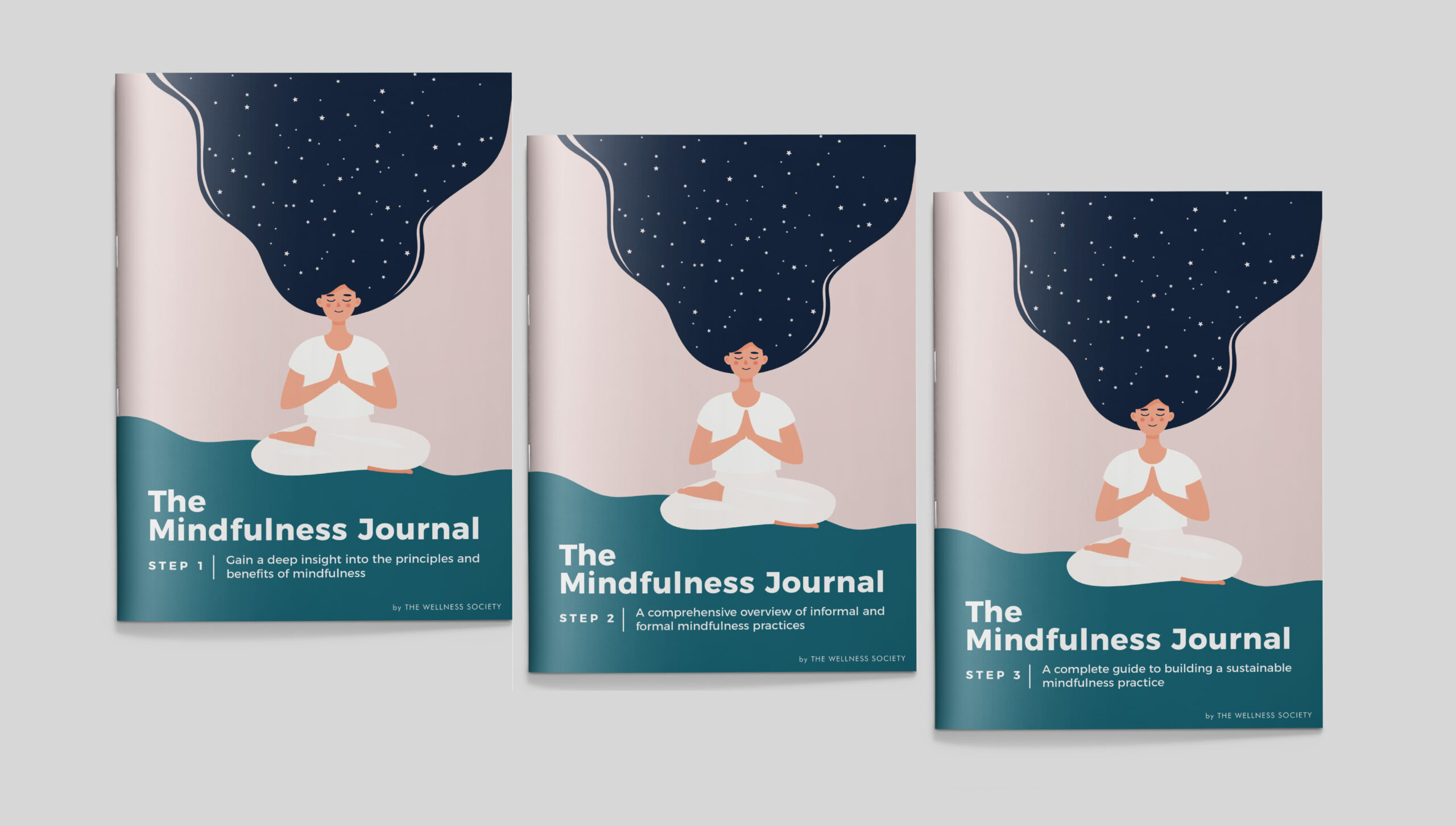
Want to Improve Your Mindfulness Skills?
The Mindfulness Journal helps beginners as well as seasoned practitioners enhance their mindfulness skills. Explore a wide variety of methods and discover what works best for you.


About Rebecca
Rebecca Marks is the founder of The Wellness Society, a social enterprise that has supported thousands on their journey to mental wellbeing.
Her tools have been shared by the NHS and featured by Mind, the UK’s leading mental health charity. She comes from a career in mental health charity management, facilitating peer support programs and co-producing initiatives with service users.
Learn more about our story on the About page.