
Raising kids today feels like navigating uncharted territory. Since technology is now evolving faster than the parenting manuals can keep up with, you might find yourself wondering how to protect your child's mental health in an increasingly digital landscape. Keep reading to learn several practical strategies for supporting your child’s mental wellbeing, building healthy digital habits, and creating a balanced relationship with technology.
The Digital Impact on Young Minds
Children's brains are still developing, which means they’re particularly vulnerable to the effects of excessive screen time and digital stimulation.
Social media platforms, online games, and constant connectivity can trigger anxiety, disrupt sleep patterns, and impact self-esteem. As parents, recognising these risks is the first step toward creating a healthier digital environment for our families.
In particular, social media’s impact on self-esteem has become an increasing concern for parents, following internal research leaked from Meta. The findings revealed that Instagram’s algorithm can worsen body image issues in one out of three teenage girls. By continually recommending appearance-focused posts based on browsing patterns, the platform can unintentionally amplify insecurities.
Model Healthy Digital Habits
Children learn more from what they observe than what they're told. Since your own relationship with technology sets an example, be mindful of your screen habits around your kids. Put your phone away during family meals, engage in activities that don't involve screens, and demonstrate that technology is a tool rather than a constant companion.
Set Healthy Boundaries
Establishing clear rules around technology use helps children develop a balanced relationship with digital devices.
Start by creating tech-free zones in your home, such as bedrooms and dining areas. This simple step can improve sleep quality and encourage more meaningful family interactions.
Consider implementing a digital sunset routine, where all screens are turned off at least an hour before bedtime. Since blue light can interfere with natural sleep cycles, this practice can significantly improve your child's rest and overall mood.
Encourage Open Communication
Regular conversations about online experiences create a foundation of trust that's invaluable for your child's digital wellbeing.
Ask open-ended questions about their online activities and listen without immediately jumping to judgement. Some example conversation starters include:
- What do you like most about social media? What do you like the least?
- Do you ever feel pressure to look or act a certain way because of what you see online?
- Have you ever seen something online that made you uncomfortable?
- Have you come across anything online recently that surprised you?
- What would you do if someone you don’t know tried to message you?
- If something upsetting happened online, who would you feel comfortable talking to about it?
If your child shares something concerning about their online experiences, the most important thing is to stay calm and listen. Reacting with anger, panic, or immediate punishment can cause children to shut down and avoid coming to you in the future. Instead, validate their feelings by acknowledging their emotions: “I can see why that would make you feel upset.” Ask gentle follow-up questions to understand what happened and how it affected them, and reassure them that they are not in trouble. Together, discuss practical next steps, such as adjusting privacy settings, blocking or reporting harmful content, or seeking help from school counsellors if necessary. Keeping the conversation supportive builds trust and helps your child feel safe sharing with you again. You might also wish to share your own experiences with technology challenges. This can help normalise the struggles that come with digital life.
Teach Critical Thinking Skills
In a world of increasing misinformation, helping children question what they see is essential for protecting their mental wellbeing.
- Discuss how social media highlights only “the best moments,” which can distort reality.
- Talk about algorithmic influence – how platforms push content designed to keep users engaged.
- Show them how to check information sources and evaluate credibility.
- Encourage them to pause before reacting emotionally to posts.
This empowers kids to navigate online spaces more thoughtfully and reduces the emotional impact of manipulative content.
Choose the Right Monitoring Tools
While trust is essential in any parent-child relationship, appropriate monitoring can help ensure your child's safety online. You might want to explore using a parental control app which offers features such as content filtering and time management tools. The key is finding tools that promote safety without making children feel like they're under constant surveillance, as this can damage trust and hinder open communication.
Summary
Protecting your child’s mental wellbeing means finding balance rather than banning technology. By setting healthy boundaries, modelling positive screen habits, encouraging open conversations, and teaching critical thinking skills, you can help your child develop a more mindful relationship with the online world. Thoughtful use of monitoring tools, paired with trust and open communication, ensures children feel supported rather than controlled. With ongoing dialogue, you can navigate the digital landscape together while prioritising mental wellbeing.
Helpful Tools
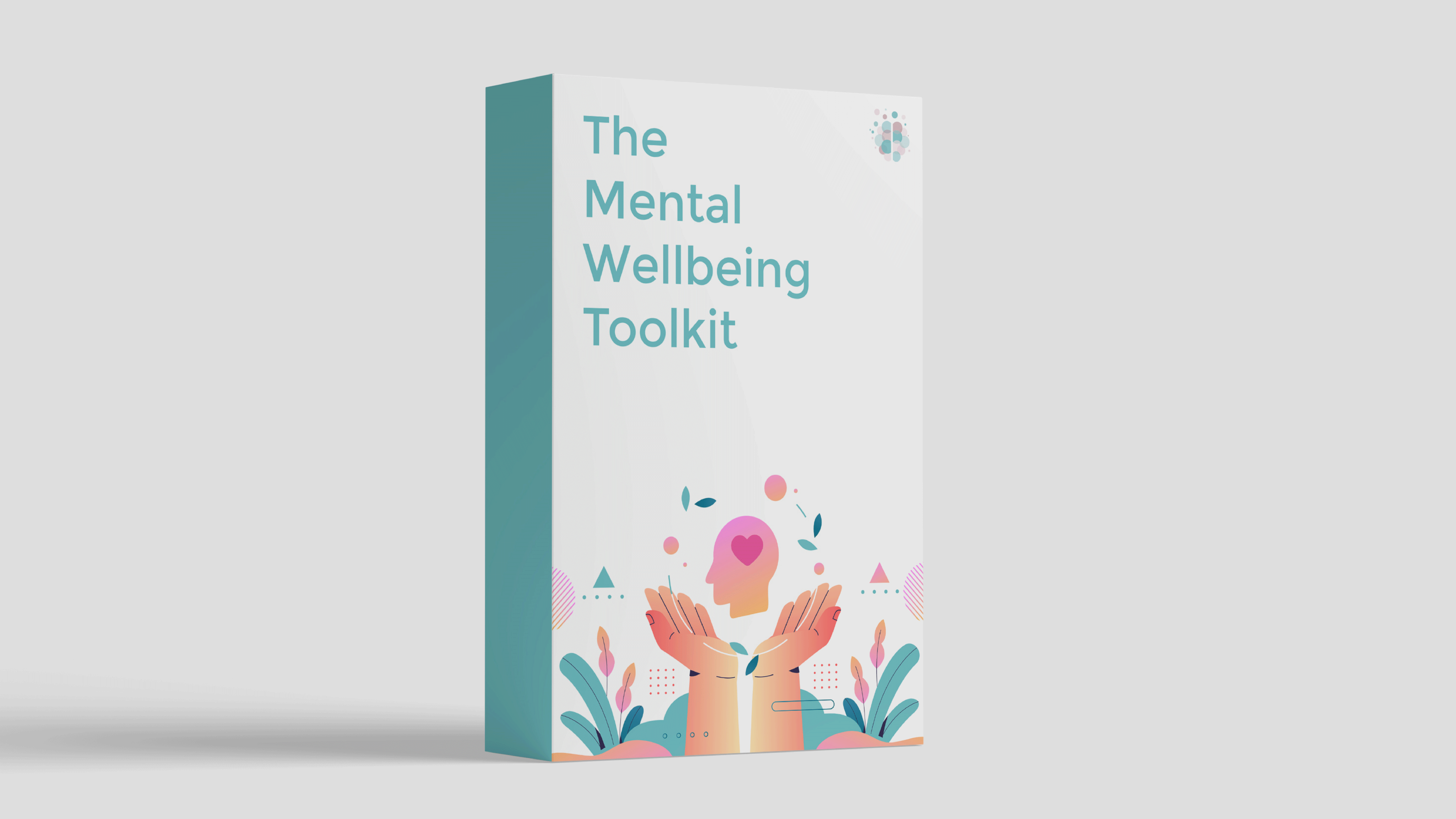
Our self-guided program includes tools from CBT, DBT, ACT and more, so you can discover what works best for you. Check out The Mental Wellbeing Toolkit today – it's "like 10 therapy sessions in one."



About Rebecca
Rebecca Marks is the founder of The Wellness Society, a social enterprise that has supported thousands on their journey to mental wellbeing.
Her tools have been shared by the NHS and featured by Mind, the UK’s leading mental health charity. She comes from a career in mental health charity management, facilitating peer support programs and co-producing initiatives with service users.
Learn more about our story on the About page.