
Every time you click, scroll, search, or shop online, someone is watching.
Not a single person, but an entire ecosystem of data brokers, advertisers, and algorithms. They’re collecting vast amounts of data – from what you read and buy to how long you spend on a page – to build detailed psychological profiles about you. In this article, we’ll break down the consequences of data tracking and the most effective ways to safeguard your online privacy.
Data Tracking Information
Data brokers don’t just collect basic information like your name and email address. They track:
- Every website you visit
- How long you spend on a page
- What you “like,” comment on, and share
- The apps you install
- Your purchase history
- Even your location data, sleep patterns, and fitness activity (via smartphones and wearables)
This data is aggregated and fed into algorithms that classify you into psychological categories – predicting your interests, habits, fears, and even moods. What are the implications of this?
Loss of Autonomy
Data tracking can infer deeply personal information you never intended to disclose. This includes personality traits, political leanings, emotional triggers, and even vulnerabilities like addiction or body-image concerns. These insights are used to target you psychologically (shaping your choices and emotional states) often without your awareness.
For example, Facebook has faced criticism for deliberately targeting teen girls struggling with self-image on Instagram. This demonstrates how data-driven advertising can deepen anxiety, depression, and low self-esteem.
Algorithms influence not only what you see, but also how you choose. When your feed is curated based on behavioural predictions, you’re nudged toward certain decisions without realising it. For example, Facebook’s now-infamous 2012 experiment showed that simply adjusting the emotional tone of people’s feeds could influence their moods and the content they shared – all without their awareness.
Data profiling can even lead to invisible discrimination. Algorithms have been shown to restrict job postings, housing ads, and credit offers based on factors like gender, race, and income level, effectively creating systemic inequality without people ever knowing they were excluded.
Emotional Manipulation
Advertisers use your data to craft messages designed to trigger specific emotions. Excitement, urgency, even fear. For example, if your browsing patterns suggest insecurity about appearance, you might be targeted with beauty products promising transformation. This can quietly reinforce negative self-perceptions and worsen low self-esteem.
An investigation found that some advertisers even specifically targeted users struggling with addiction recovery, showing them ads for alcohol delivery, gambling platforms, or quick loans.
Mental Exhaustion
Algorithms are optimised to capture and hold your attention. Every recommendation, notification, and personalised alert is carefully engineered to keep you scrolling, keep you watching, and keep you buying. While this design drives profits for tech companies, it can quietly drain your mental energy and disrupt your natural sleep patterns.
Studies show that extended nighttime device use (especially on algorithm-driven platforms like Instagram, TikTok, and YouTube) can delay melatonin release, the hormone that regulates your sleep-wake cycle. This makes it harder to fall asleep, lowers sleep quality, and leads to next-day cognitive fatigue. Alongside privacy safeguards, it’s also worth addressing digital eye strain. Using blue light–filtering lenses or choosing comfortable eyeglasses designed for screen use can help reduce visual fatigue during long screen sessions.
Practical Online Privacy Strategies
There are several steps you can take to reduce data collection. Here are some effective strategies:
- Review your social media privacy settings. Limit data sharing on platforms like Instagram, Facebook, and TikTok by adjusting permissions.
- Switch to privacy-focused browsers. Consider alternatives like Brave or Firefox that block third-party tracking by default.
- Use a virtual private network (VPN). Installing a VPN for iPhone encrypts your internet traffic on your phone, making it harder for data brokers to track your browsing activity.
- Use encrypted messaging apps. Apps like Signal and Telegram protect conversations from third-party access. WhatsApp updated its privacy policy to allow broader data sharing with Meta’s advertising ecosystem. While message content remains private, your behavioural patterns can inform ad targeting across Meta-owned platforms.
- Clean up your digital footprint. Delete old accounts, review apps, and remove what you no longer use.
Taking even small steps to limit tracking can improve your sense of autonomy, security, and peace of mind.
Summary
In a world where data is currency, your thoughts, habits, and vulnerabilities are continuously analysed, packaged, and sold. That knowledge alone can be unsettling. The good news is there are plenty of steps you can take to reclaim your online privacy. For example, customising your privacy settings and using privacy browsers and VPNs can restore digital security. Your mind thrives on a sense of safety and control. By taking back ownership of your digital life, you can protect your mental wellbeing.
Helpful Tools
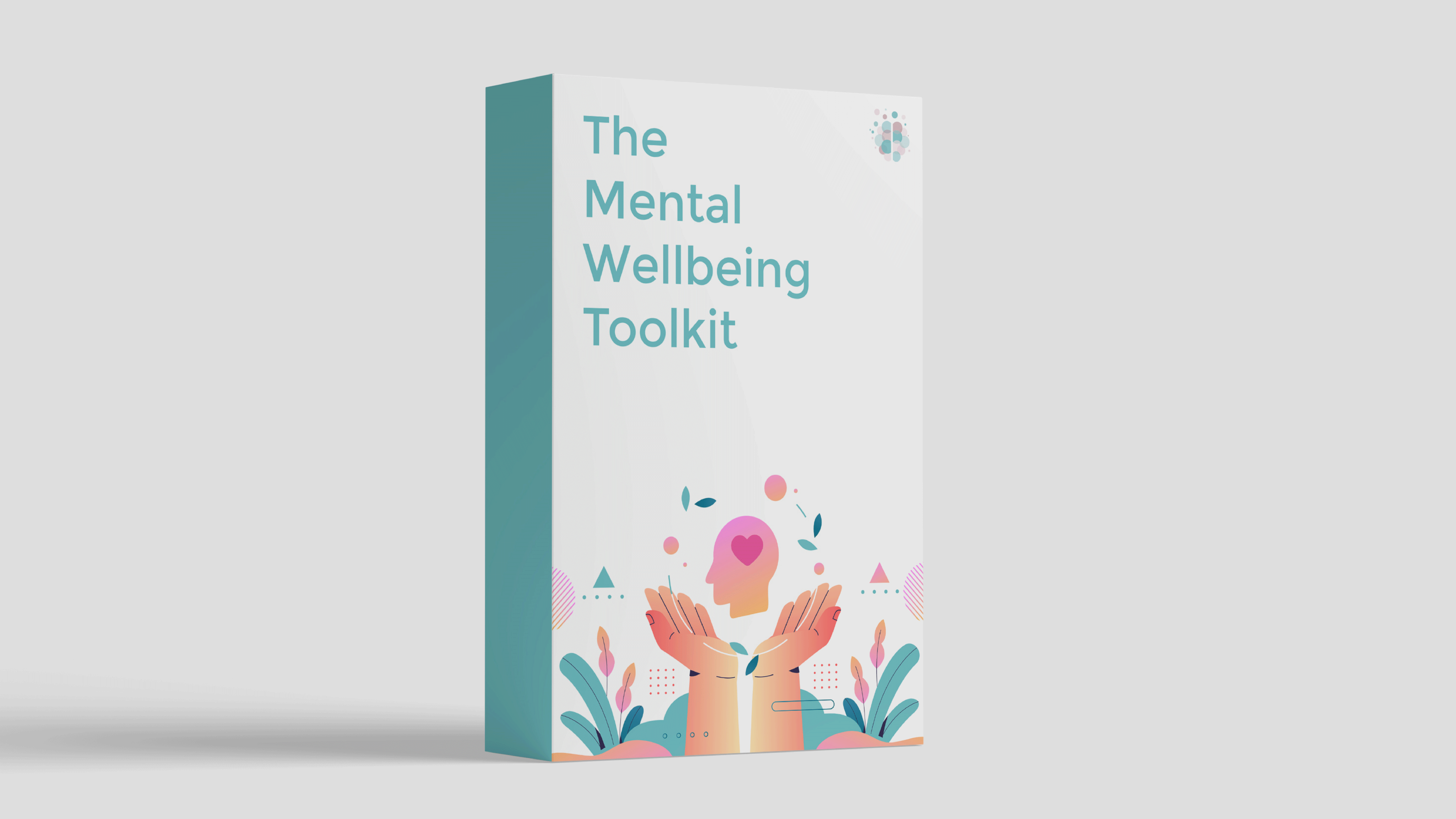
Our self-guided program includes tools from CBT, DBT, ACT and more, so you can discover what works best for you. Check out The Mental Wellbeing Toolkit today – it's "like 10 therapy sessions in one."



About Rebecca
Rebecca Marks is the founder of The Wellness Society, a social enterprise that has supported thousands on their journey to mental wellbeing.
Her tools have been shared by the NHS and featured by Mind, the UK’s leading mental health charity. She comes from a career in mental health charity management, facilitating peer support programs and co-producing initiatives with service users.
Learn more about our story on the About page.