
With artificial intelligence now powering everything from appointment reminders to patient education, it’s natural for many private practices to wonder how automation can boost their own efficiency.
But not every task should be handed off to a machine, especially in the world of health, wellness, and behavioural care, where trust and the human touch are everything.
So, which AI-powered workflows are actually safe to automate, and where should you always keep a human in the loop? Keep reading to find out more below.
Understanding Risk
To select the core tasks where AI can assist, you need to map out your typical care journey and pinpoint which steps require human empathy and expertise, and which can be streamlined by automation without putting anyone at risk. Here’s a breakdown:
Low-Risk Tasks
- Intake form reminders. Automating reminders for incomplete intake paperwork or digital onboarding forms is a win for both patients and providers. There’s no risk of clinical error, and patients appreciate reminders.
- Educational resource delivery. Sending clients reading material, worksheets, appointment prep checklists, or post-session summaries can be easily and safely handled by AI-driven systems, provided that the resources are properly vetted by a licensed clinician before releasing them.
- FAQ response bots. AI chatbots can field common administrative questions about hours, billing, directions, and insurance before a patient ever picks up the phone. AI can lend a helping hand when factual answers are required.
- No-show and follow-up messages. Automated texts or emails that confirm appointments, send thank-you notes, or rescheduling for missed visits can streamline operations.
High-Risk Tasks
- Diagnosis and assessment. No AI tool should attempt to diagnose mental health or medical conditions in private practice. The nuances are too great, and the risks of misinterpretation are too high.
- Crisis response. Emergencies, acute mental health risks, or signs of self-harm demand real-time human judgment and intervention, not templated automated replies.
- Treatment planning. Every plan should be developed and reviewed by a human clinician, taking into account the whole story, not just checkboxes or patterns an algorithm might spot.
Using AI To Improve Both Clinic Efficiency and Patient Experience
Let’s walk through a simplified patient journey and see where automation is appropriate:
- Inquiry and scheduling. AI chatbots can answer preliminary questions and offer scheduling options. Complex cases can be handed off to human staff as required.
- Intake and onboarding. Automated email or SMS workflows remind patients to complete their forms, ensuring paperwork is done before the first appointment.
- Ongoing engagement. Post-session surveys, helpful resources, and educational check-ins can all be sent via AI, while clinical notes, goals, and feedback remain human-written and confidential.
- Retention and no-show recovery. Missed-appointment reminders, birthday notes, or satisfaction survey invites can be handled by automation.
AI can empower patients to take charge of their health journey. Platforms can now integrate with wearable devices, analyzing sleep, activity, or stress levels, and sending personalized tips right to the patient’s phone.
For example, senior clients might receive practical suggestions to reduce anxiety, such as trying mindful breathing, during moments of increased stress. This active, data-driven support helps boost engagement, self-awareness, and overall outcomes for both patients and clinics.
Choosing the Right AI Toolset: What To Consider
Not all AI systems are created equal. Some offer basic automation on the admin side, while others offer a greater range of services to engage with the patients and integrate with your practice management system. When it’s time to evaluate options, focus on clarity, data protection, and customization.
A good place to start is by consulting resources that compare AI sales enablement tools. These guides lay out the differences between core automation types, levels of integration, data quality requirements, and real-world reporting features.
Use their framework as a checklist for your own selection process.
How easily does the tool talk to your EHR?
Are audit logs built in?
Can you see what’s automated vs. what’s human?
These details will shape both effectiveness and peace of mind.
Implementing Measures to Use AI Safely and Transparently
Even the safest AI workflows need built-in safeguards. Here are a few best practices for responsible automation in private practice:
- Opt-in consent. Make sure patients know which parts of their journey are being automated, with clear options to speak to a human at any time.
- Documentation and audit trails. AI-driven transactions, like sending forms or resources, should be logged for transparency.
- Regular review. Clinicians or administrators should regularly audit automation outcomes for errors, out-of-date materials, and opportunities to improve messaging tone or timing.
Introducing safety measures also means staying compliant with ever-evolving regulations. Depending on where your practice operates, governments are stepping up measures to keep AI use in check.
The new EU AI Act, for example, sets strict standards for transparency, explainability, and risk assessment, especially in healthcare settings. Other regions are introducing similar rules to protect patient rights and data.
Following both legal requirements and best-practice guidelines is crucial to ensure that your automation strategies are responsible and transparent.
Summary
AI automation in private practice is all about balance: it should free up time and reduce stress, without undermining the personal relationships that make care so meaningful.
Start with low-risk, admin-heavy workflows and add guardrails for clarity and transparency. When in doubt, prioritize the patient’s experience and never automate what demands true empathy or complex judgement.
Helpful Tools
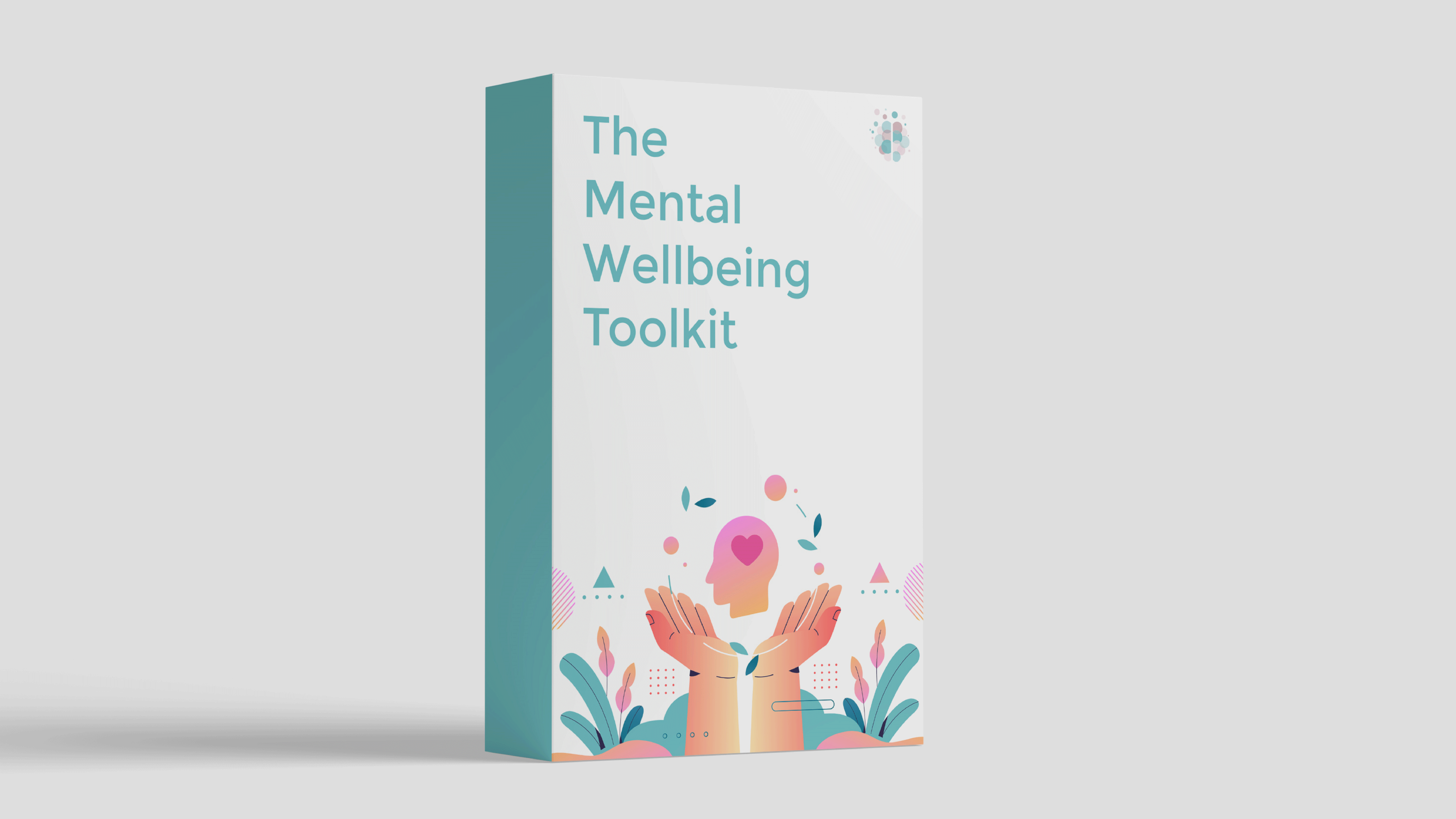
Our self-guided program includes tools from CBT, DBT, ACT and more, so you can discover what works best for you. Check out The Mental Wellbeing Toolkit today – it's "like 10 therapy sessions in one."


Author

About Rebecca
Rebecca Marks is the founder of The Wellness Society, a social enterprise that has supported thousands on their journey to mental wellbeing.
Her tools have been shared by the NHS and featured by Mind, the UK’s leading mental health charity. She comes from a career in mental health charity management, facilitating peer support programs and co-producing initiatives with service users.
Learn more about our story on the About page.