
Aging introduces a new rhythm to daily life – slower in some ways, more complicated in others. Responsibilities may lessen, but concerns about independence, changing routines, and staying emotionally balanced often take their place.
Stress can creep in quietly, sometimes disguised as fatigue, irritability, or forgetfulness. Over time, it can chip away at peace of mind and make even simple tasks feel overwhelming.
While some stress is part of living, too much of it doesn’t have to be. Small, intentional actions can make a meaningful difference in how seniors manage tension and maintain a sense of control.
Keep reading to learn four practical steps you can take to reduce stress and feel more at ease each day.
1. Manage Financial Stress
Money concerns can be a major source of ongoing stress, especially for older adults on fixed incomes. Planning ahead and making thoughtful financial choices can help reduce anxiety and create a stronger sense of control.
To ease financial stress and support peace of mind, try these approaches:
- Create a clear monthly budget. Tracking your income and expenses helps you understand where your money is going. Look for areas where you can adjust without sacrificing your wellbeing and use simple budgeting tools to stay organised.
- Explore senior discounts and benefits. Many organizations and local services offer senior discounts, free programs, or reduced-fee options. These can include utility bill assistance, transportation services, or prescription savings.
- Review your insurance coverage. Health-related expenses can add up quickly, especially with changes in coverage or care needs. Take time to compare seniors health insurance plans. Look for options that include wellness support or mental health services – these may offer better benefits and help lower your out-of-pocket costs.
- Addressing financial concerns early can help reduce daily stress. It also gives you more freedom to enjoy the things that matter, like time with friends, staying active, and taking care of your health.
2. Stay Socially Connected and Engaged
Isolation can quietly increase stress levels, especially as routines change in later years. Social activity improves emotional wellbeing, brings structure to daily life, and fosters a sense of connection.
Even brief interactions can provide meaningful support during challenging times.
To strengthen your support network, consider joining groups aligned with your interests. Local senior centers, community classes, or hobby groups that match your personal interests create regular opportunities for interaction. Whether you enjoy painting, yoga, or discussing classic films, participating in group settings can enrich your social life significantly.
Volunteering offers another meaningful path to connection. Local schools, hospitals, libraries, and food banks often welcome volunteers of all ages.
These roles provide purpose, help maintain daily structure, and allow you to meet people from different generations and backgrounds, creating deeper community ties in the process. The satisfaction of contributing to causes you care about adds another dimension to these social connections.
Don't underestimate the value of reconnecting with old friends or relatives. Making an effort to reach out to people you've lost touch with over the years can restore important relationships.
Whether through a quick phone call or a casual lunch, rekindling old connections offers both comfort and familiarity in your life. These established relationships often require less effort to maintain once renewed.
Maintaining these social connections supports mental resilience and reduces the effects of loneliness over time. If staying connected feels particularly difficult, consider reaching out to a mental health professional who can help identify local support groups or therapy options tailored to your situation.
3. Stay Physically Active on a Regular Basis
Staying active helps reduce stress, manage weight, support mobility, and improve daily wellbeing. The benefits extend far beyond physical health, positively affecting your mood and outlook.
Low-impact exercises like walking or tai chi work particularly well for seniors. These activities are gentler on joints while still promoting circulation, balance, and flexibility.
Try to incorporate movement as a daily habit rather than an occasional effort. Find simple ways to stay active throughout your day. Stretch while watching television, stand up during phone calls, or take the stairs when possible.
Most of all, choose physical activities that genuinely bring you joy! Gardening, dancing, or even light housework can provide physical benefits while keeping your routine interesting and varied. When exercise feels enjoyable rather than obligatory, you're much more likely to maintain consistency in your active lifestyle.
Remember that physical activity doesn't need to be intense to be effective. Consistency matters more than intensity, and staying active each day contributes to better mood, lower stress levels, and greater confidence in handling day-to-day tasks. This improved physical capacity often makes social engagement easier as well, creating a positive cycle of wellbeing.
4. Practice Relaxation Techniques Every Day
Daily relaxation can play a key role in managing stress.
Here are a few effective relaxation techniques worth practicing to support mental ease and emotional stability:
- Try progressive muscle relaxation. Begin at your feet, tensing each muscle group briefly, then releasing the tension. This method helps you become more aware of where you're holding stress and encourages a full-body sense of ease.
- Use breathing exercises. Slowly inhale through your nose, hold for a few seconds, and slowly exhale. This pattern activates the body’s relaxation response and can help slow a racing heart or anxious thoughts. Breathing techniques like this are especially useful during unexpected moments of stress or emotional discomfort.
- Practice guided imagery. Picture calming scenes like a quiet beach or peaceful garden. Focus on the details (sounds, smells, and textures) to shift your attention away from worry and onto something soothing.
Summary
Stress doesn’t have to be a regular part of aging. Here are four things you can focus on:
- Managing financial worries
- Maintaining social ties
- Staying active
- Daily relaxation methods
Practice these, and you can reduce daily pressure. Focus on small, sustainable changes and build them into your daily routine to support long-term health and peace of mind.
Helpful Tools
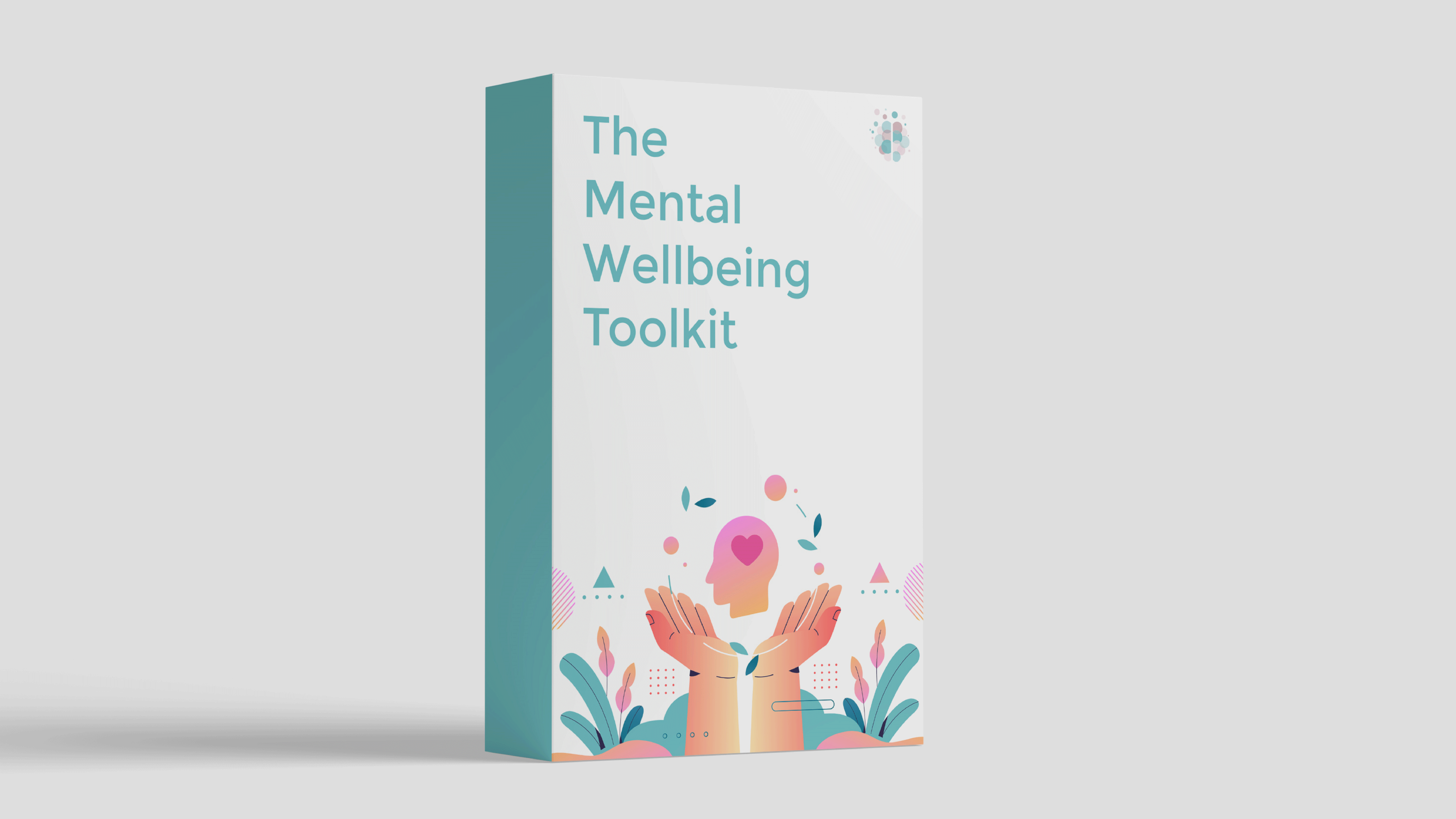
Our self-guided program includes tools from CBT, DBT, ACT and more, so you can discover what works best for you. Check out The Mental Wellbeing Toolkit today – it's "like 10 therapy sessions in one."


About Rebecca
Rebecca Marks is the founder of The Wellness Society, a social enterprise that has supported thousands on their journey to mental wellbeing.
Her tools have been shared by the NHS and featured by Mind, the UK’s leading mental health charity. She comes from a career in mental health charity management, facilitating peer support programs and co-producing initiatives with service users.
Learn more about our story on the About page.