
Sexual trauma can deeply affect every aspect of a person’s life – emotionally, physically, and relationally.
Healing from such trauma is not linear, and it requires understanding, patience, and support. This article provides a comprehensive overview of sexual trauma, its effects, and practical strategies for healing.
We’ll cover what sexual trauma is, the impact of sexual trauma, therapeutic approaches, coping skills, and steps toward reclaiming sexual pleasure.
What’s Classified as Sexual Trauma?
Sexual trauma is defined as any unwanted sexual experience that leaves lasting emotional or psychological impact. This can include:
- Sexual assault, rape, or molestation
- Childhood sexual abuse
- Sexual harassment or coercion
- Any non-consensual sexual activity that leaves a survivor feeling unsafe, violated, or degraded
Any sexual experience that creates ongoing fear, shame, or distress can qualify as sexual trauma.
Impact of Sexual Trauma
The effects of sexual trauma vary widely but are often profound:
Survivors may experience:
- Anxiety, panic attacks, and flashbacks
- Shame, guilt, or self-blame
- Depression or numbness
- Anger, irritability, or emotional volatility
- Difficulty trusting others
- Difficulty forming close relationships
Hypersexuality
Some survivors may experience hypersexuality – engaging in frequent sexual activity, compulsive sexual behaviour, or seeking validation through sex. This can be a coping mechanism, a way to regain a sense of control, or a way the body unconsciously attempts to process trauma.
Therapies for Healing Sexual Trauma
Professional support to heal sexual trauma is often essential. Key approaches include:
- Specialised therapy. Look for therapists experienced in PTSD and sexual trauma.
- Somatic therapies. Such as Somatic Experiencing (SE) or Sensorimotor Psychotherapy, which address trauma stored in the body.
- Dialectical Behaviour Therapy (DBT). Helps manage emotional dysregulation, flashbacks, and anxiety. Here are the four skills covered in this approach.
Therapy allows survivors to process trauma safely and develop coping strategies tailored to their unique experiences.
Healing Sexual Trauma in the Body
The body often holds trauma long after the mind tries to process it.
Survivors can take concrete steps to reconnect with their bodies:
- Grounding exercises. Focus on breath, touch, or movement to feel present. These may be helpful when managing flashbacks or panic attacks.
- Yoga. Reclaim body autonomy and reduce tension.
- Mindful self-touch. Learning safe ways to experience pleasure or comfort in the body.
- Progressive muscle relaxation (PMR). Release stored muscular tension from trauma responses. There are plenty of guided PMR videos on YouTube to explore.
Coping Skills for Healing Sexual Trauma
Communication Exercises to Express Boundaries and Desires
Clear communication is vital for sexual and emotional safety. Survivors may find it difficult to express what they want or don’t want in intimate situations. Communication exercises can help by:
- Practicing verbalising needs and boundaries in non-sexual contexts first to build confidence.
- Using “I” statements to express feelings, e.g., “I feel anxious when…” or “I’m comfortable with…”
- Gradually sharing desires, limits, and triggers with a trusted partner.
- Rehearsing conversations with a therapist or journaling to clarify your thoughts before discussing them.
Mindfulness to Stay Present During Sexual Activity or Triggers
Mindfulness involves paying full attention to the present moment without judgment. For survivors, this can help interrupt the brain’s automatic fear or avoidance responses during sexual activity or triggering situations:
- Focus on bodily sensations, breathing, or touch to remain grounded in the present.
- Label feelings as they arise without judgment: “I notice anxiety.”
- Use sensory anchors, like feeling the texture of a blanket, to bring awareness to the current moment.
- Practice mindfulness in daily life to strengthen the ability to remain calm during triggers.
Mindfulness cultivates connection to one’s body and sensations, helping reclaim pleasure.
Cognitive Reframing to Create New Associations Around Sex with a Partner
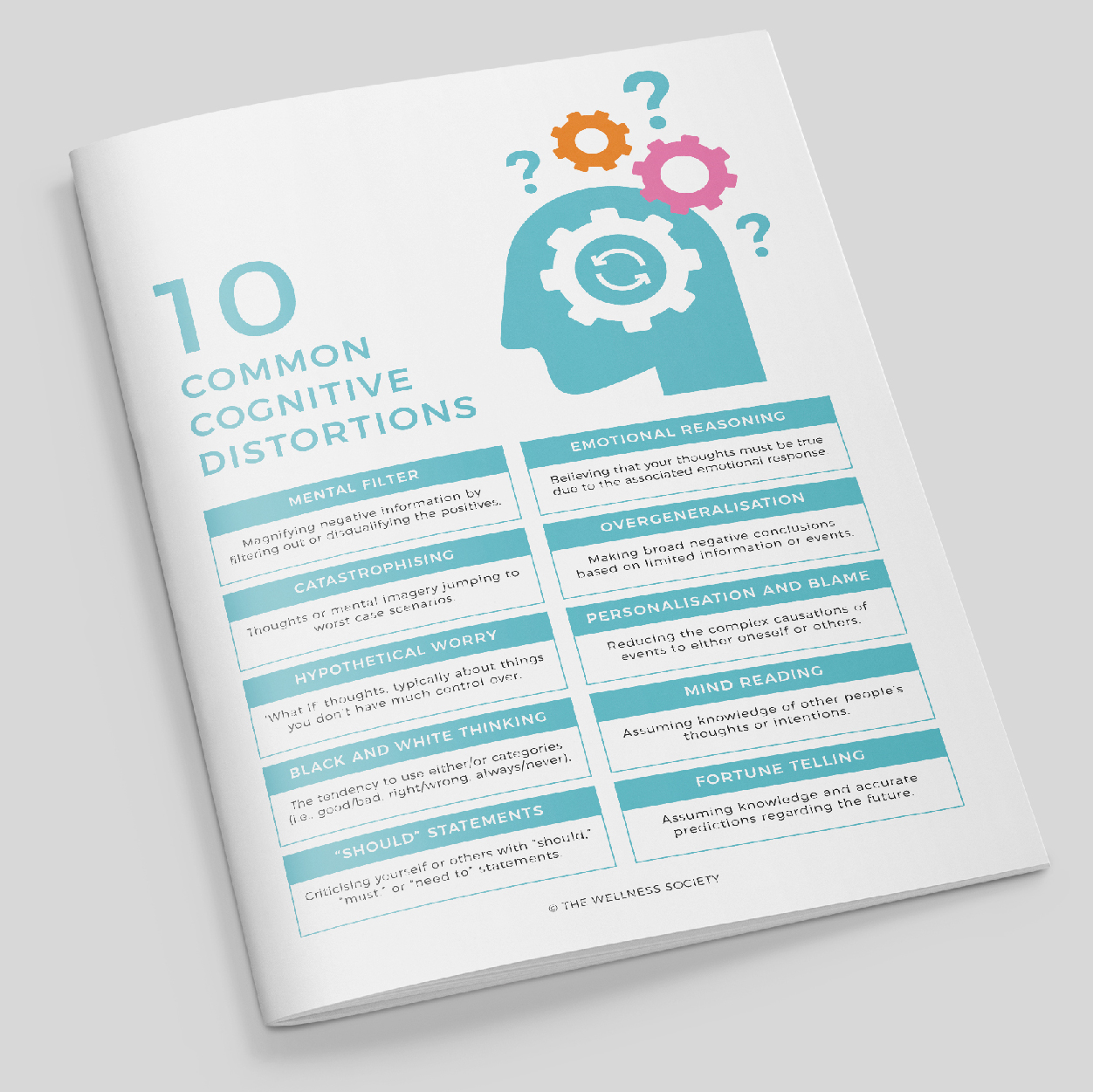
Cognitive reframing is a psychological technique that involves identifying and challenging unhelpful or distressing thoughts, and replacing them with more balanced or positive perspectives.
For sexual trauma survivors, sexual activity may trigger flashbacks, shame, or anxiety. Cognitive reframing may help by:
- Recognising automatic negative thoughts, such as “Sex will always be painful.”
- Challenging these beliefs, e.g., “Pleasure is possible at my own pace.”
- Begin with every day, non-sexual touch that feels safe – hugging, holding hands, gentle back rubs. Focus on sensations like warmth, pressure, or comfort. Notice how your body responds. Can you lean into feelings of calmness, comfort, safety?
- You may wish to verbally affirm safety and consent while touching: “I am safe here,” “I choose this touch.”
- Practicing small, positive sexual experiences to reinforce these new associations gradually.
This process allows survivors to reduce fear responses over time.
Other Tips
- Before or during intimacy, consciously remind yourself of your consent: “I am in control; my partner respects my limits.”
- Identify pleasurable sensations and experiences, however small, and intentionally focus on them.
- Redirect thoughts from past trauma to the present, e.g., noticing how your partner responds to your cues.
Sexual Pleasure After Sexual Trauma
Reclaiming sexual pleasure after trauma can feel daunting, but it’s both possible and an important part of healing. Trauma often disrupts the natural connection between the mind, body, and sexuality, creating fear, anxiety, or avoidance around intimate experiences.
Healing is about gradually rebuilding trust in one’s body, sensations, and intimate relationships. Here are some important things to remember:
- Healing sexual trauma works best when your partner is patient, empathetic, and committed to respecting your boundaries. A partner who listens, communicates clearly, and responds to your needs helps create a safe space where sexual exploration can feel positive.
- Gradual, pressure-free exploration helps reframe sexual experiences as pleasurable and safe.
- Communicate complex feelings about sex clearly and honestly.
- Mindfulness practices can help you reconnect with bodily sensations safely.
Recommended Reads
- The Sexual Healing Journey by Wendy Maltz
- Widen the Window by Elizabeth Stanley
- The Body Keeps the Score by Bessel van der Kolk
- Come as You Are by Emily Nagoski
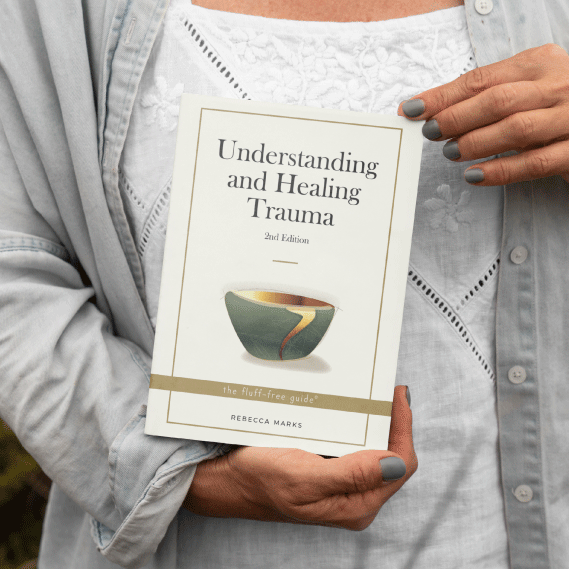
We also offer a free eBook: Understanding and Healing Trauma. This is also available as an audiobook.
Legal Considerations
For survivors of sexual trauma, the option of pursuing legal action can be both empowering and complex.
While the decision to engage with the legal system is deeply personal, understanding the process can help survivors regain a sense of agency. Key considerations include:
Understanding The Statute of Limitations
Each state or jurisdiction sets a time limit for reporting sexual crimes. Knowing these timelines can help you understand your legal options and plan accordingly. Some states have extended or eliminated limits for certain cases, particularly for childhood sexual abuse.
Preserving Evidence
Evidence collection is critical if a survivor decides to pursue legal action. This may include medical records, photographs of injuries, messages, emails, or journal entries documenting the assault.
Preserving evidence early (ideally before washing, deleting messages, or altering the scene) can strengthen a case. Medical professionals, advocacy organisations, or specialised legal counsel can provide guidance on how to safely preserve evidence.
Support From Victim Advocacy Organisations
Organisations such as RAINN (Rape, Abuse & Incest National Network) and local sexual assault centers can provide confidential support, help survivors navigate law enforcement, connect them to legal resources, and offer counselling. Advocates can explain options in clear, trauma-informed language, helping you feel supported rather than pressured.
For UK-based support organisations, see this page.
Even if legal action isn’t pursued, knowing there’s a chance to hold the abuser responsible in some manner (through reporting, civil suits, or restraining orders) can be empowering.
Stages of Healing Sexual Trauma
Healing typically unfolds in stages:
- Stabilisation. Establish safety, manage immediate symptoms, and build coping skills.
- Processing. Explore trauma memories in a controlled environment.
- Integration. Incorporate experiences into life without letting trauma define identity.
- Reconnection. Build trust, intimacy, and reclaim a sense of sexual autonomy.
Each person’s journey is unique, and progress may not be linear.
Summary
Healing from sexual trauma is multifaceted and deeply personal. Here’s a recap of some of the key concepts we’ve covered in this article:
- Seeking specialised trauma therapy (somatic, DBT, PTSD-focused).
- Engaging in somatic practices to reconnect with the body.
- Developing coping skills for panic attacks, flashbacks, and intimate experiences.
- Rebuilding sexual pleasure with mindfulness, communication, and partner support.
Above all, healing sexual trauma is about reclaiming autonomy, safety, and pleasure. We gently urge you to clearly communicate your complex feelings about sex with your partner. Healing is possible, and you deserve to experience intimacy that feels safe, empowering, and fulfilling.
Explore Our Free Tools Library
New to our website? At The Wellness Society, we create practical, integrative mental health and wellbeing tools.
Get instant access to a wide variety of resources designed to support your wellbeing or the wellbeing of others in our Free Tools Library today.




About Rebecca
Rebecca Marks is the founder of The Wellness Society, a social enterprise that has supported thousands on their journey to mental wellbeing.
Her tools have been shared by the NHS and featured by Mind, the UK’s leading mental health charity. She comes from a career in mental health charity management, facilitating peer support programs and co-producing initiatives with service users.
Learn more about our story on the About page.