
Digital mental health solutions have expanded rapidly over the past decade. Thousands of apps now promise stress reduction, mood tracking, and cognitive restructuring at the touch of a button.
But the industry faces a persistent problem – user retention drops drastically after the first week of installation.
Most digital health tools fail even when demand is strong, because they don't bridge the gap between clinical efficacy and modern software usability.
Building a product that drives real therapeutic outcomes takes two things working together. The content needs to be rooted in validated psychological frameworks, and it needs to be delivered through architecture that's scalable, secure, and easy to use.
When clinical rigor meets solid engineering, digital therapeutics become tools people actually rely on. In this article, we'll explore what it takes to build that kind of tool: turning proven therapeutic frameworks into everyday app interactions, the infrastructure decisions that hold up under real clinical use, and how to fold these tools into a practice without adding to a clinician's workload.
Turning Evidence-Based Methods Into Software
Applying psychological theory to an app screen means translating complex therapeutic protocols into digestible daily interactions. A PDF worksheet doesn't become engaging just because it's been converted into a screen.
Good digital tools break proven interventions into small moments: a short prompt, a quick reflection, a coping exercise that fits into a spare two minutes.
Take cognitive behavioral therapy (CBT) as an example. It relies on cognitive restructuring, which means identifying unhelpful thoughts, weighing the evidence behind them, and building a more balanced perspective.
A therapist guides that process interactively in session. In a digital environment, the software has to act as that scaffold. It should walk the user through each step, offer guidance based on how intense their emotions are in the moment, and save their progress securely.
How Different Frameworks Show Up in Software
Each clinical approach serves a different need once it's built into a platform.
- Cognitive behavioral therapy (CBT) powers structured thought records, behavioral activation scheduling, and belief-challenging exercises.
- Dialectical behavior therapy (DBT) includes distress tolerance modules, urge-surfing tools, and emotion regulation guides.
- Acceptance and commitment therapy (ACT) drives values-clarification tools, cognitive defusion exercises, and psychological flexibility trackers.
Internal family systems (IFS) and trauma-informed approaches guide something more delicate: self-inquiry prompts, body-scan visualizers, and grounding exercises meant to create a safe space.
What the Infrastructure Needs to Do
Clinical validity is only half the equation. These platforms handle sensitive personal data, need stable syncing across devices, and have to hold up when active user counts spike.
Off-the-shelf builders usually can't offer the flexibility, security, or performance a clinical-grade experience demands.
A specialized wellness app development company can bring custom API backends, encrypted patient logging, and real-time progress tracking to the table. Working with a partner can ensure that features such as interactive thought records and daily behavioral experiments run without friction.
Cross-platform access matters too. Clients should be able to move between iOS, Android, and web without losing their history.
Cloud architecture built on AWS or Google Cloud, paired with a secure database like PostgreSQL, lets organizations protect user privacy while still gathering the anonymized outcome data needed to prove the tool works.
Case Study: What Finch Gets Right About Engagement
Finch is a useful example of behavioral engagement and product design, rather than clinical efficacy. The self-care app centers on a virtual pet bird that grows and develops as users complete everyday activities such as journaling, breathing exercises, or taking a walk.
What makes Finch relevant to digital therapeutics is that it illustrates a separate but equally important challenge: how to make evidence-informed behaviors easier and more rewarding to repeat.
The app leads with an emotional hook rather than a feature list. Onboarding starts with hatching a virtual bird, framing the experience around nurturing something rather than completing tasks. That gives users an immediate reason to engage with the product and creates an emotional context around otherwise familiar self-care activities.
Finch also keeps the behavioral feedback loop short. Completing a goal produces an immediate in-app response, while the bird's progress provides a visible representation of the user's activity. Users can choose their own goals or select from suggested activities covering movement, tidying, reflection, and social connection. The result is a structure that provides guidance without making every interaction feel prescriptive.
This design principle is particularly relevant for digital therapeutics. Clinical content can tell a patient what to do, but the product experience influences whether they actually return and do it.
Small interactions, visible progress, personalization, and timely feedback can reduce the friction between intention and action.
A Path for Healthcare Leaders
- Audit clinical needs. Look at the predominant diagnoses, treatment modalities, and patient demographics in your practice to choose the right digital frameworks.
- Check technical compliance. Confirm any candidate platform meets HIPAA, GDPR, and regional health data protection standards, with end-to-end encryption for storage and transmission.
- Set practitioner protocols. Define how clinicians review patient-submitted data, what the boundaries are for between-session contact, and how app logs feed into Electronic Health Records.
- Measure engagement and outcomes. Track daily active usage, exercise completion, and standardized scores like the PHQ-9 or GAD-7 to see whether the tool is working clinically.
Standardizing these steps keeps organizations from ending up with a patchwork of disconnected tech. Instead, they build one digital infrastructure that grows with their clinician network and patient volume.
Summary
Digital therapeutics only work when clinical science and solid engineering carry equal weight. A tool built on CBT or ACT principles still falls flat if the product design and software behind it is clunky, insecure, or hard to stick with day to day.
The strongest platforms treat the therapeutic relationship as the center of the design, not an afterthought bolted onto a tech stack.
Why not take one workflow, maybe psychoeducation before sessions or between-session check-ins, and map out what a digital version of it would need to succeed?
Helpful Tools
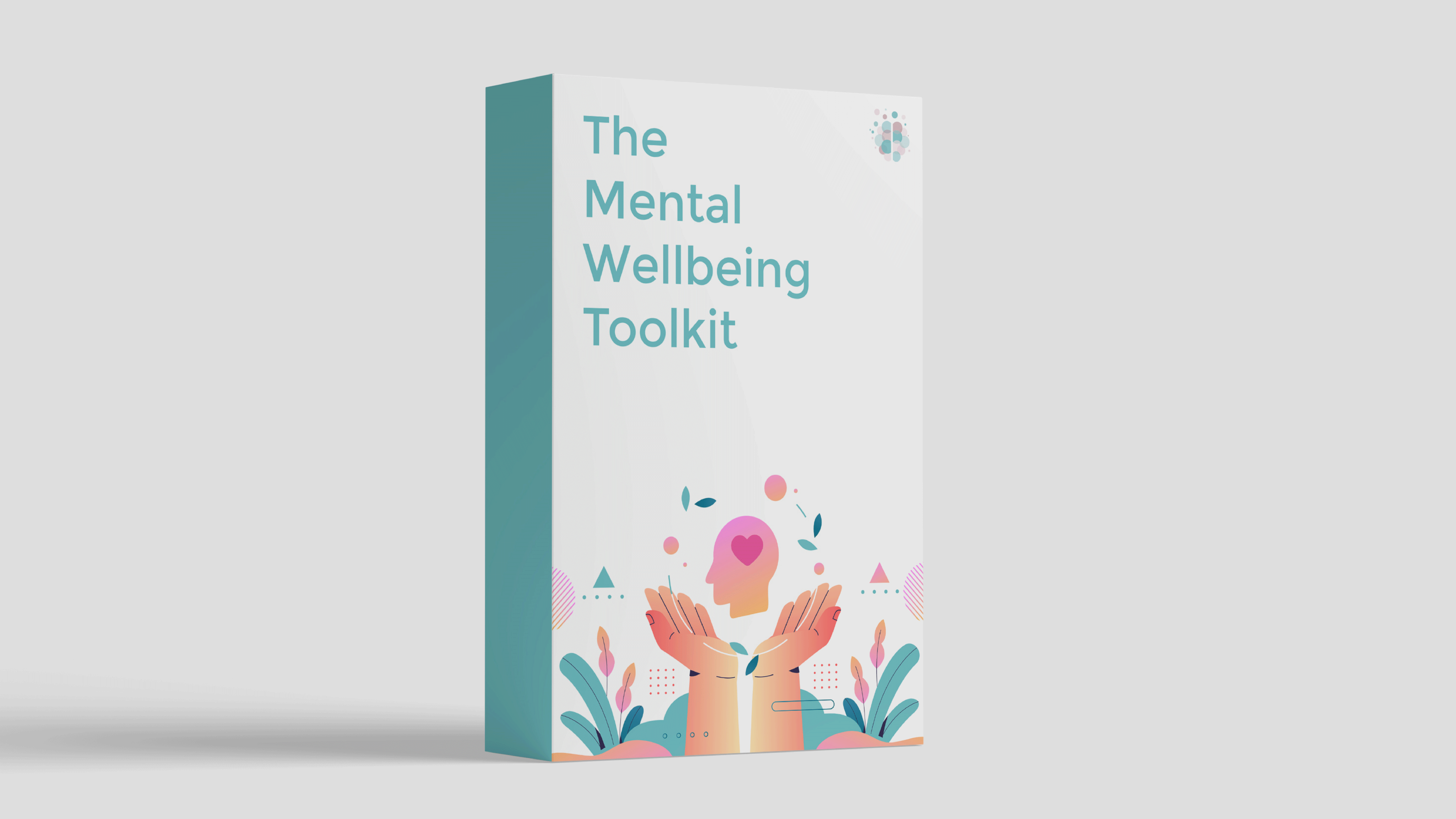
Our self-guided program includes tools from CBT, DBT, ACT and more, so you can discover what works best for you. Check out The Mental Wellbeing Toolkit today – it's "like 10 therapy sessions in one."


Author

About Rebecca
Rebecca Marks is the founder of The Wellness Society, a social enterprise that has supported thousands on their journey to mental wellbeing.
Her tools have been shared by the NHS and featured by Mind, the UK’s leading mental health charity. She comes from a career in mental health charity management, facilitating peer support programs and co-producing initiatives with service users.
Learn more about our story on the About page.