
You wake up at 3am with your heart racing. Your mind runs through tomorrow’s meeting, last week’s conversation, and the bills waiting to be paid. You’ve lived with anxiety for years, but lately, it’s getting harder to manage.
The nightly drinks that once helped you unwind have become a habit, or the medication you thought you’d use occasionally has become something you rely on to get through the day.
When emotional distress and substance use become intertwined, it can be difficult to know where one ends and the other begins. You might find yourself caught in a cycle of seeking relief, feeling worse, and reaching for the same coping mechanism again.
Understanding this connection can help you make sense of what you’re experiencing and find support that addresses both your mental health and your relationship with substances.
Why Mental Health and Substance Use Often Overlap
Mental health and substance use influence each other in several ways. Stress, past experiences, brain function, and the circumstances of your life can all play a part.
When you’re struggling with anxiety, depression, or the effects of trauma, alcohol or other substances may offer temporary relief.
A drink might ease social anxiety, while another substance might help you feel less overwhelmed.
This pattern is sometimes called self-medication. It describes using substances to manage difficult feelings or mental health symptoms. It can develop gradually, especially when other forms of support feel out of reach.
Over time, though, the relief can come at a cost. Alcohol can disrupt sleep and contribute to low mood, while stimulants can increase anxiety and agitation. Some substances can also lead to physical dependence, making it harder to stop without support.
You may then find yourself using substances to ease feelings that substance use itself has intensified.
Understanding Which Came First
For some people, anxiety, depression, or trauma-related symptoms begin before substance use. Others notice changes in their mental health after their substance use increases. For many, the two develop together, making the original starting point difficult to identify.
The relationship can also change over time. You might begin drinking to manage occasional anxiety, only to find that your anxiety becomes more difficult to manage as your drinking increases.
Understanding your history can help you and your healthcare provider decide what support would be most useful. Your current symptoms, substance use, and personal circumstances all deserve attention.
Common Patterns of Mental Health and Substance Use
Everyone’s experience is different, but some patterns are worth recognising.
Anxiety and Alcohol Use
Alcohol may initially make social situations feel easier or help you unwind after a stressful day. However, it can disrupt sleep and contribute to anxiety as its effects wear off. If you begin drinking to relieve that anxiety, the cycle can become difficult to break.
Depression and Substance Use
When you’re feeling low, substances may offer a temporary escape from sadness, hopelessness, or emotional exhaustion. Over time, some substances can worsen mood and interfere with sleep, making everyday life feel harder to manage.
ADHD and Substance Use
Attention difficulties, impulsivity, and challenges with emotional regulation can contribute to stress in daily life. Some people turn to substances to cope with these experiences, particularly when their needs have gone unrecognised.
These patterns are possibilities, not a way to diagnose yourself. A qualified professional can help you understand what may be contributing to your experience.
The Role of Trauma
Past experiences can shape how you respond to stress and emotional pain. Childhood adversity, abuse, neglect, or exposure to violence may affect your sense of safety and the coping strategies you develop.
If you’ve experienced trauma, substance use may have become a way to manage feelings that once seemed unbearable. Recognising this connection can help you understand your behaviour with greater compassion.
The Challenges of Managing Both
When mental health symptoms and substance use overlap, it can be difficult to work out what you’re feeling and why. Concentration problems, for example, may relate to low mood, poor sleep, substance use, or several factors at once.
Treatment can also become complicated when different providers focus on separate concerns. You might be told to address your substance use before seeking mental health support, or to stabilise your mental health before discussing substance use. This can leave you feeling stuck between services.
Shame can make things harder. You may worry that others will judge your substance use or dismiss your emotional distress. These fears can lead to isolation and make it harder to ask for help.
You deserve care that takes your whole experience into account.
What Integrated Treatment Looks Like
Integrated treatment brings mental health and substance use support together. Rather than treating each concern separately, your care team considers how they interact and develops a plan around your needs.
This usually begins with an assessment of your mental health symptoms, substance use, medical history, and personal circumstances. Your provider may also explore past trauma, relationships, and the pressures you’re facing in everyday life.
Treatment can include several approaches.
- Talking therapies. Cognitive behavioural therapy (CBT) can help you recognise patterns in your thoughts and behaviour. Dialectical behaviour therapy (DBT) can help you manage intense emotions and develop healthier coping skills.
- Medication. Depending on your circumstances, medication may help with mental health symptoms or reduce cravings and withdrawal symptoms. A qualified prescriber can explain the options and check for potentially harmful interactions.
- Peer support. Connecting with people who have similar experiences can reduce isolation and help you feel understood. Support groups may also provide practical ideas for managing difficult days.
The right approach depends on your symptoms, substance use, health, and preferences. Treatment can change as your needs change, and progress may take time.
Trauma-informed care prioritises safety, trust, collaboration, and your ability to make decisions about your treatment. When appropriate, a trained professional may recommend a trauma-focused therapy alongside support for substance use (such as eye movement desensitization and reprocessing, EMDR).
You can explore difficult experiences at a pace that feels manageable, with suitable support in place.
Building a Foundation for Recovery
Recovery often involves small, practical changes alongside professional care. Learning to recognise your triggers, understanding how substances affect your mood, and finding alternative ways to cope can help you respond differently when distress arises.
Stabilization comes first. This might involve medical detoxification if you're physically dependent on substances, medication adjustments to manage acute mental health symptoms, and crisis intervention if you're experiencing thoughts of self-harm. Stabilization creates the foundation for deeper therapeutic work.
Sleep, regular meals, physical activity, and meaningful social connections can also support your wellbeing. These habits won’t resolve every difficulty, but they can provide a steadier foundation while you work through more complex challenges.
It helps to have people you can turn to when things become difficult. This might be a trusted friend, a family member, a therapist, or a peer support group. You don’t have to manage everything alone.
If you’re physically dependent on alcohol or certain other substances, seek medical advice before stopping suddenly. Withdrawal can be dangerous, and a healthcare professional can help you plan a safer approach.
When to Seek Professional Support
Consider reaching out if you’re using substances more often to manage emotional distress, finding it difficult to cut back, or noticing that your mental health worsens as your use increases.
It’s also worth seeking help if these patterns are affecting your relationships, work, education, sleep, or ability to manage everyday responsibilities. You can start by speaking with your doctor or a mental health professional and being honest about both your symptoms and your substance use.
If you’ve tried treatment before and still struggle, that doesn’t mean recovery is out of reach. Your previous support may not have addressed all your needs, and a different approach may be more helpful.
If you’re thinking about suicide or harming yourself, seek immediate support. In the US, you can call or text 988 to reach the Suicide and Crisis Lifeline. If you’re in immediate danger, contact your local emergency service.
Summary
Mental health challenges and substance use can become closely connected, with each influencing the other over time. Understanding this relationship can help you recognise patterns, reduce self-blame, and find support that addresses your needs as a whole.
Recovery looks different for everyone. With appropriate care, practical coping skills, and supportive relationships, it’s possible to build a healthier relationship with substances and improve your emotional wellbeing.
Why not take one small step today? You could speak to your doctor, contact a therapist, or tell someone you trust what you’ve been experiencing. Starting the conversation can help you find a way forward that feels right for you.
Helpful Tools
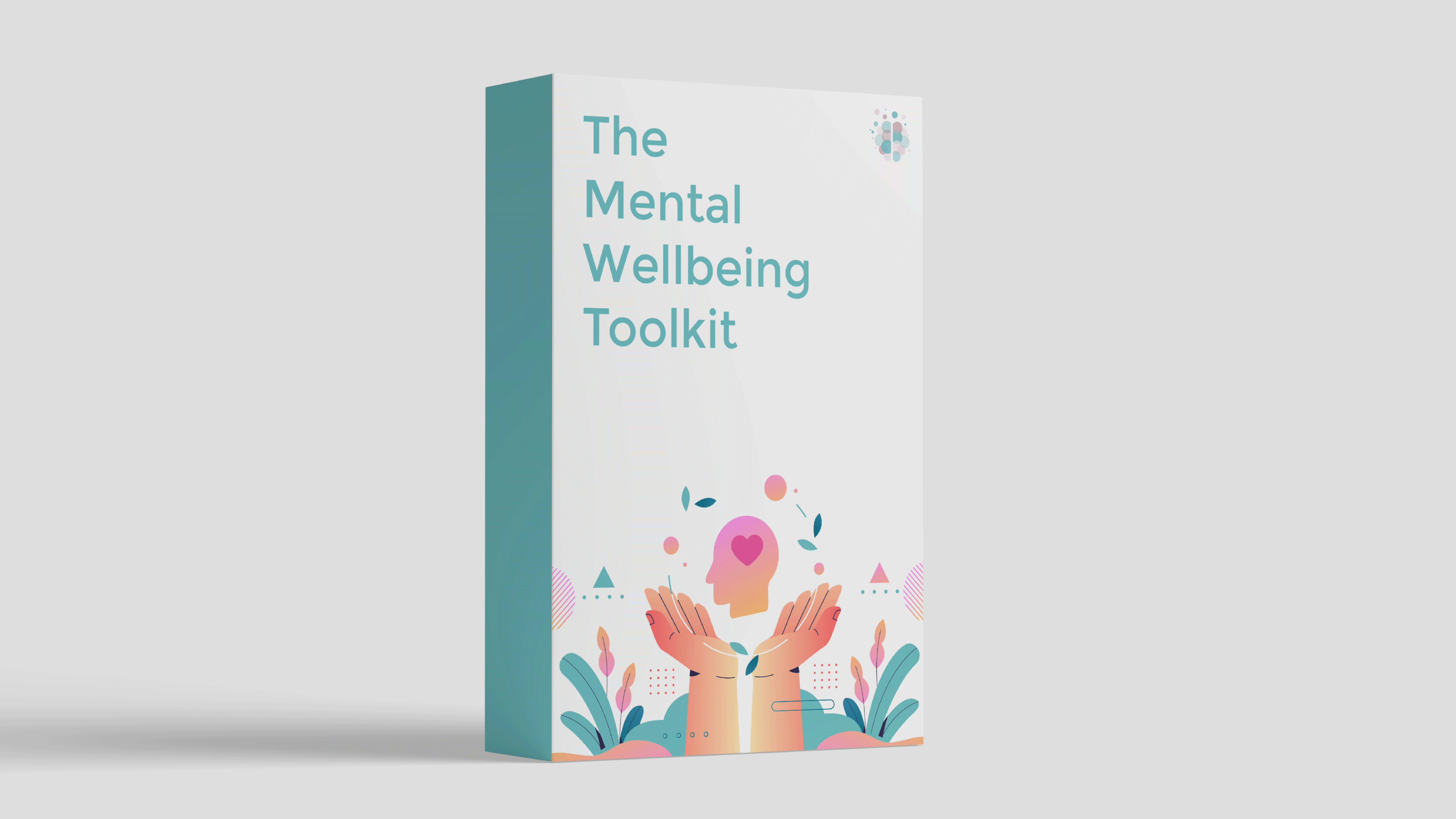
Our self-guided program includes tools from CBT, DBT, ACT and more, so you can discover what works best for you. Check out The Mental Wellbeing Toolkit today – it's "like 10 therapy sessions in one."


Author

About Rebecca
Rebecca Marks is the founder of The Wellness Society, a social enterprise that has supported thousands on their journey to mental wellbeing.
Her tools have been shared by the NHS and featured by Mind, the UK’s leading mental health charity. She comes from a career in mental health charity management, facilitating peer support programs and co-producing initiatives with service users.
Learn more about our story on the About page.