
Recovery from substance misuse is rarely a straight line. Most people who have walked that road will tell you that the clinical pieces (detox, therapy, medication) matter enormously. But they’ll also tell you that something else had to shift. Something harder to name. A reason to keep going. A sense that life could hold meaning again.
For many people, that something is spirituality.
It’s important to note that spirituality is broader than any one tradition. It’s the experience of connection to something larger than yourself, to others, to purpose, to the present moment. And research is increasingly showing that this dimension of human experience plays a meaningful role in whether people stay in recovery long-term.
What Spirituality Actually Means in Recovery
It’s worth separating spirituality from religion before going further, because the two are often conflated in ways that put people off.
Religion involves organized belief systems, doctrine, and community practice.
Spirituality is more personal. It’s the sense that your life has meaning, that you’re connected to something beyond your immediate circumstances, and that there’s a larger framework within which your struggles make sense.
Someone can be deeply spiritual without any religious affiliation at all, and someone can practice religion without having cultivated a spiritual life in the metaphysical sense.
In the context of addiction recovery, spirituality tends to show up as a set of questions such as
- Why does my life matter?
- Who am I accountable to?
- What is my purpose?
How Spirituality Supports Relapse Prevention
Understanding why spirituality helps is just as important as knowing that it does. There are several distinct mechanisms at work.
It Creates a Sense of Meaning and Purpose
One of the most destabilizing experiences in early recovery is the void left by substances.
Alcohol and drugs often organize a person's entire day, social life, and emotional landscape. When they’re removed, what fills that space?
Spirituality offers a framework for rebuilding meaning. Whether through faith, philosophy, nature, creative practice, or service to others, it gives people a reason that’s larger than immediate comfort.
That reason becomes a buffer against relapse when cravings arise and the short-term logic of using starts to feel compelling again.
It Builds Emotional Resilience
Spiritual practice, in almost any form, trains the nervous system to tolerate difficulty without immediately seeking escape.
Meditation, prayer, breathwork, and even regular time in nature all build the capacity to sit with discomfort long enough for it to pass.
People who have developed a spiritual practice tend to have a wider emotional range because they’ve learned to move through difficulty rather than around it.
It Provides Accountability
Spirituality often involves a relationship, whether with a higher power, a community, a sponsor, or a set of values, that creates accountability beyond the self.
This matters because one of the cognitive distortions that fuels relapse is the belief that no one will notice or that it only affects you.
When recovery is grounded in something relational, whether that’s a faith community, a twelve-step group, or a set of principles you have made commitments to, the stakes feel different. You’re not just making a choice for yourself. You’re honoring something larger.
It Promotes Connection
Isolation is one of the most consistent predictors of relapse.
Spirituality, perhaps more than any other dimension of recovery, directly addresses this by drawing people into community.
Faith communities, meditation groups, sweat lodge ceremonies, men's circles, and recovery fellowships all offer what most people who struggle with addiction have spent years searching for: a place where they’re known, accepted, and genuinely needed.
Spirituality in Practice
Here are some entry points that don’t require any particular belief system:
- Researching spiritual traditions. Immerse yourself in books, podcasts, and videos on spiritual teachings from different traditions, and discover what resonates with you.
- Meditation and mindfulness. Even five minutes of daily breath-focused practice builds the capacity to pause between impulse and action, which is the space where recovery lives.
- Service to others. Volunteering, mentoring someone earlier in recovery, or simply showing up consistently for the people around you shifts identity from "someone who struggles" to "someone who contributes."
- Regularly writing about what matters most and whether your daily choices are aligned with those values can help cultivate spirituality.
- Connecting with nature. Time outdoors and in nature consistently reduces stress hormones, quiets rumination, and produces the kind of awe that naturally shifts perspective.
- Participating in community. Whether through a faith tradition, a recovery group, or any community organized around shared values, belonging is one of the most powerful relapse prevention tools available.
- Faith-based treatment for addiction recovery. Programs that integrate faith alongside evidence-based clinical care (for example, a Christian rehab center) offer a space where recovery is grounded in both neuroscience and the spiritual values that shape who they are.
Summary
While evidence-based treatments such as detox, therapy, and medication are essential components of recovery, long-term sobriety often requires something deeper: a renewed sense of meaning, connection, and purpose.
Spirituality can provide this foundation by helping individuals build resilience, strengthen accountability, and develop supportive relationships. Research suggests that spiritual wellbeing is associated with improved recovery outcomes because it addresses many of the emotional and social factors that contribute to relapse, including isolation, hopelessness, and difficulty coping with distress.
By cultivating a sense of connection to something larger than themselves, people in recovery can develop powerful internal and external resources that support lasting change.
Helpful Tools
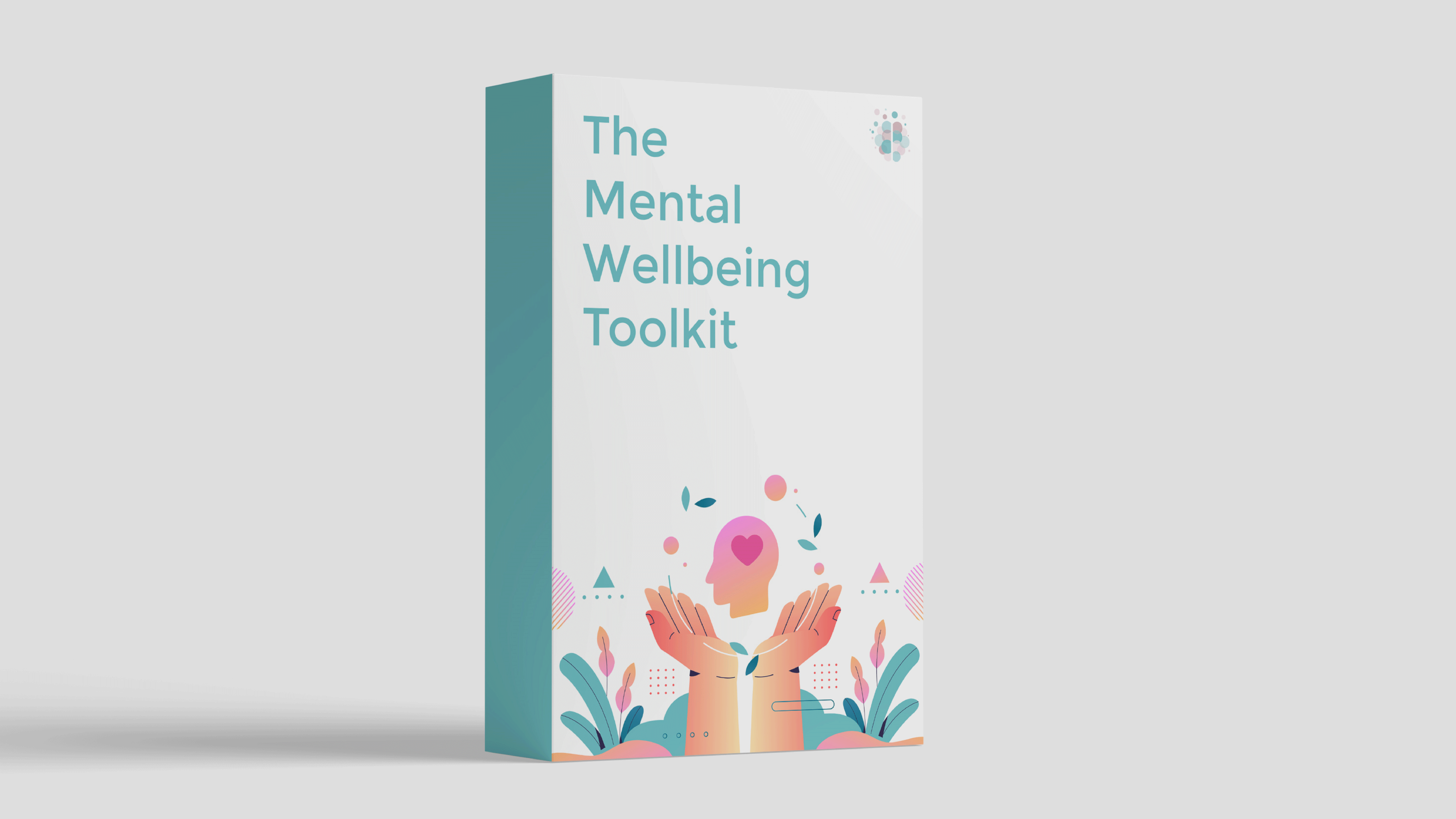
Our self-guided program includes tools from CBT, DBT, ACT and more, so you can discover what works best for you. Check out The Mental Wellbeing Toolkit today – it's "like 10 therapy sessions in one."


Author

About Rebecca
Rebecca Marks is the founder of The Wellness Society, a social enterprise that has supported thousands on their journey to mental wellbeing.
Her tools have been shared by the NHS and featured by Mind, the UK’s leading mental health charity. She comes from a career in mental health charity management, facilitating peer support programs and co-producing initiatives with service users.
Learn more about our story on the About page.