
Nervous system regulation is a hot topic right now, with lots of ideas on how to feel better.
While there are a lot of exercises out there to regulate the nervous system, it’s important to acknowledge the differences each person may experience. What’s calming to one person may be agitating to another.
It can be beneficial to consider scientific studies, professional expertise, and other people’s experiences, but it’s vital to listen to your body and intuition about how an exercise impacts you.
In this article, you’ll learn what nervous system regulation is, and what you can do to move towards a more balanced state.
Note: These messages are for addressing everyday stressors. If you’re experiencing a traumatic event or have experienced trauma, please seek the guidance of a trained professional.
What Is the Nervous System?
Here, we’re specifically referring to the autonomic nervous system (ANS) – a branch of the nervous system responsible for regulating automatic functions like breathing. The ANS acts as a communication pathway between the brain and the body. Although these processes occur automatically, we can still consciously influence them to support more efficient functioning.
What Is a Regulated Nervous System?
A regulated nervous system can meet the demands of a task, experience, or activity appropriately and then return to homeostasis (balance).
During a traumatic or life-threatening situation, it’s appropriate for the nervous system to prioritise survival by activating the stress response, signalling the body to fight, flee, or freeze.
However, while doing something routine (like washing the dishes) experiencing muscle tension in the shoulders or jaw, along with a sense of agitation, is generally disproportionate to the activity. In this case, the nervous system is showing signs of over-activation.
On the other hand, struggling to complete necessary tasks and feeling a sense of dread or lethargy can indicate nervous system under-activation.
Steps to Regulate the Nervous System
Develop Awareness
Dysregulation has the potential to affect any system(s) in the body. Symptoms can show up physically, mentally, emotionally and/or spiritually. Here are some common ones to be aware of*:
- Pain
- Musculoskeletal tension
- Impaired body awareness
- Headaches
- Migraines
- Heart palpitations/racing heart
- Blood pressure changes
- Shallow breathing or reverse breathing
- Digestive challenges
- Changes in appetite
- Fatigue
- Sleep disruption (too much or too little)
- Feeling restless
- Sadness
- Apathy
- Anger
- Impaired concentration/focus
- Impaired memory
- Relational challenges
- Difficulty feeling inspired
- Coping through addictive behaviors
- Lack of meaning and purpose
*If you have new symptoms, please tell your healthcare provider to rule out serious medical conditions
Use Consistent Practices
- Rest. Close your office door, go to the restroom, sit right where you are. Put devices away. Maybe close your eyes, lie down if you can. Practice being. Emotions will pass if we let them. Sometimes we simply need to remove ourselves from a situation to soothe our nervous system.
- Mindfulness and meditation. This can be practised more formally through guided sessions and dedicated apps, as well as informally by bringing gentle awareness to the present moment throughout the day.
- Move your body. Dance, yoga, swimming, running, walking, strength training – any preferred movement. Being outside might provide added benefits. If you’re unable to remove yourself from the current location, move your body by rocking, swaying, marching, swinging your arms, shaking your legs.
- Grounding exercises. Grounding techniques are simple, easy-to-use tools to focus your attention on the present moment and gain back control of your body.
- Humming. Humming a song or practicing Humming Bee Breath has the power to activate the parasympathetic nervous system, the branch of the ANS that is calming. To practice Humming Bee Breath, breathe in through the nose and with sealed lips exhale by humming/buzzing like the sound of a bee. Notice the vibration that occurs in the mouth/throat/chest. Repeat five times.
- Expand awareness. Look as far as you can, outdoors if possible. Taking yourself from the narrow tunnel of dysregulation can help you feel more calm and create a shift in perspective.
- Breathing exercises. The breath doesn’t have to be a specific technique, just paying attention to the breath can send signals to the brain that you are safe. Remember, nasal breathing is ideal. In times of stress, we may use the mouth more and the breath may be more shallow. Here are some breathing exercises to also try out. Sometimes working with the breath can feel uncomfortable. If this is you, don’t worry – this is common. Simply choose a different practice.
- Drink water. Lack of hydration can be stressful to all systems, contributing to dysregulation. Ensure you are properly
- Notice where your feet (or other body parts) are. Dysregulation can occur because we’re worrying about the past or future. Awareness of where your feet are can bring you into the present moment.
- Progressive muscle relaxation. This practice can be done anywhere. Tense as many muscles as you can in the body, hold the tension and keep breathing for 2-3 breaths. Release the tension on the exhale. Repeat 2-3 times.
- Be creative. Creative activities activate parts of our brain that are not in the fear center and can communicate to our brain and nervous system that we’re safe. Color, sing, draw, write, build something.
The purpose of a regulatory practice is to communicate to the brain that you are safe, and to feel calm and alert enough to make choices that are “correct” in the moment. Do you need to remove yourself from a situation, do you need to take a break, get fresh air, eat food, etc.?
Remember, training our nervous system is just like training our muscles. We need to consistently practice these skills that soothe us and bring our nervous system into balance. The more balanced we are, the less often we’re thrown off – and when we are, we’re able to return to that balance more quickly, strengthening our resilience over time.
You might choose a single practice to try for one minute each week, then gradually build by adding one or two more practices, increasing the number of days, and extending the duration over time.
With time, you’ll become more tuned into lifestyle choices that support or disrupt your nervous system balance. With practice you may start to make necessary changes to your lifestyle to support your health and wellbeing.
For sustainable change we also have to choose our daily habits that support regulation and overall wellbeing.
Summary
Although the practices mentioned are free, they do take time and commitment. It may also be beneficial for you to seek the guidance of a trained professional, especially if you’ve experienced trauma and need specialized attention.
There’s no quick fix or “one size fits all” approach to nervous system regulation. We’re all born with unique nervous systems, and we’re impacted by our lived experiences in different ways. A good starting point is to:
- Become aware of your signs of dysregulation.
- Pick 2-3 practices as your “go-tos” in times of dysregulation.
- Practice regularly to build nervous system resiliency and adjust lifestyle as able.
- Practice self-compassion along the way.
Healing is a lifelong journey and not always linear. We have to keep up with the practices and may need to adjust them along the way. Please remember rest is a practice, and is crucial for nervous system regulation.
Finally, when healing, remember that the nervous system thrives with simplicity and consistency. “Less is more.” You've got this!
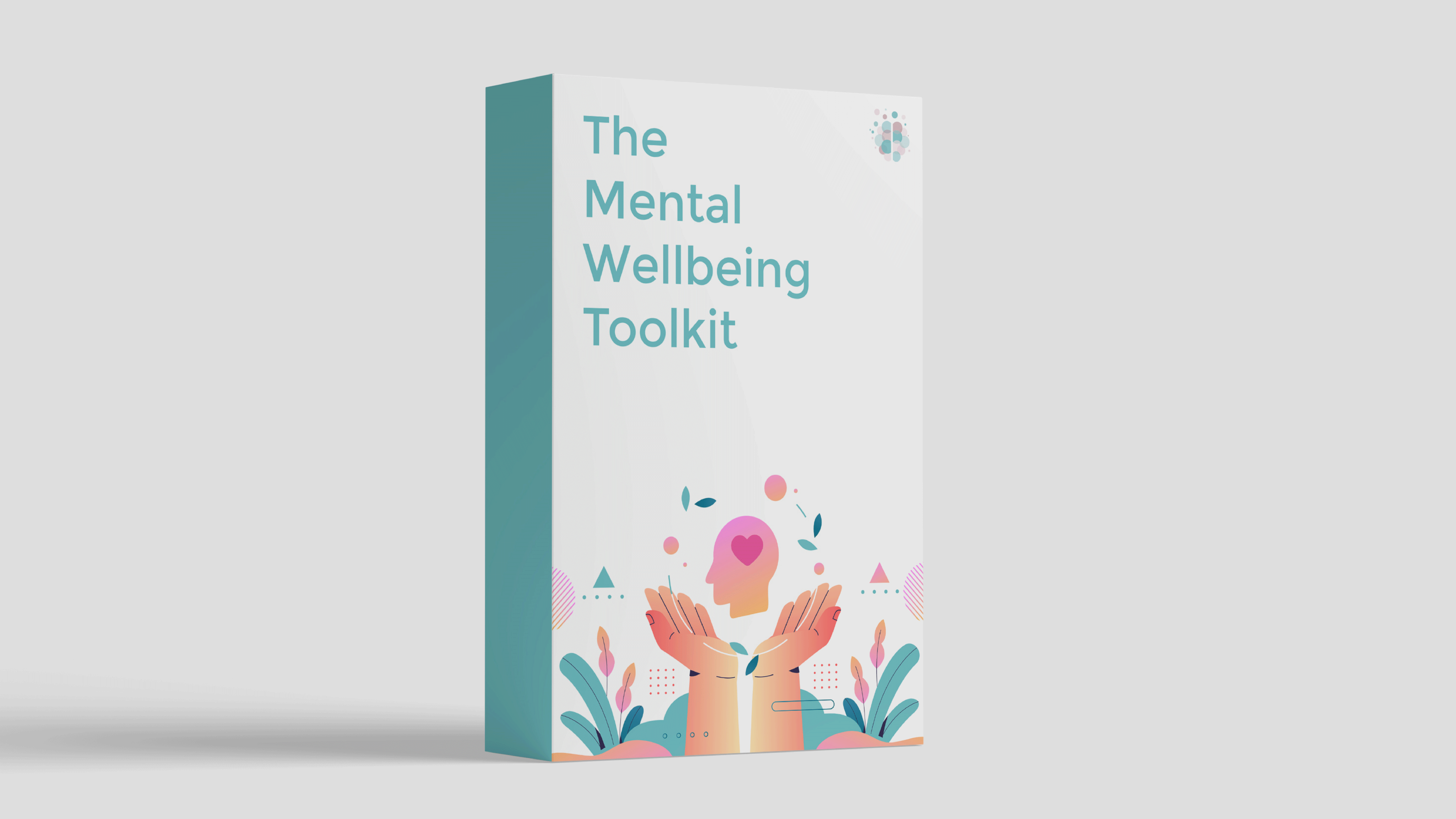
Regulate Your Nervous System with The Mental Wellbeing Toolkit
The Toolkit supports nervous system regulation by giving you practical ways to respond to stress and anxiety in real time.
Discover structured tools – like grounding exercises, cognitive reframing, and habit-building systems – that help shift the body out of states of over- or under-activation and back toward balance.
By combining approaches from CBT, DBT, ACT, and lifestyle practices, it addresses both the mental and physical patterns that contribute to dysregulation.
Over time, consistently using the Toolkit helps train your nervous system to recover more quickly from stress and anxiety.

Author

About Jayme
Jayme Nagle is a yoga teacher, certified yoga therapist and licensed physical therapist. She has been working with individuals and groups in healthcare, fitness and community centers for over 20 years.
She currently guides people in individual or group sessions through movement and mindfulness practices to encourage mind-body-spirit connection for health and wellbeing.
Find out more and contact her via her website and be sure to check out more of her writing on Substack.