
“The privilege of a lifetime is to become who you truly are.” – Carl Jung
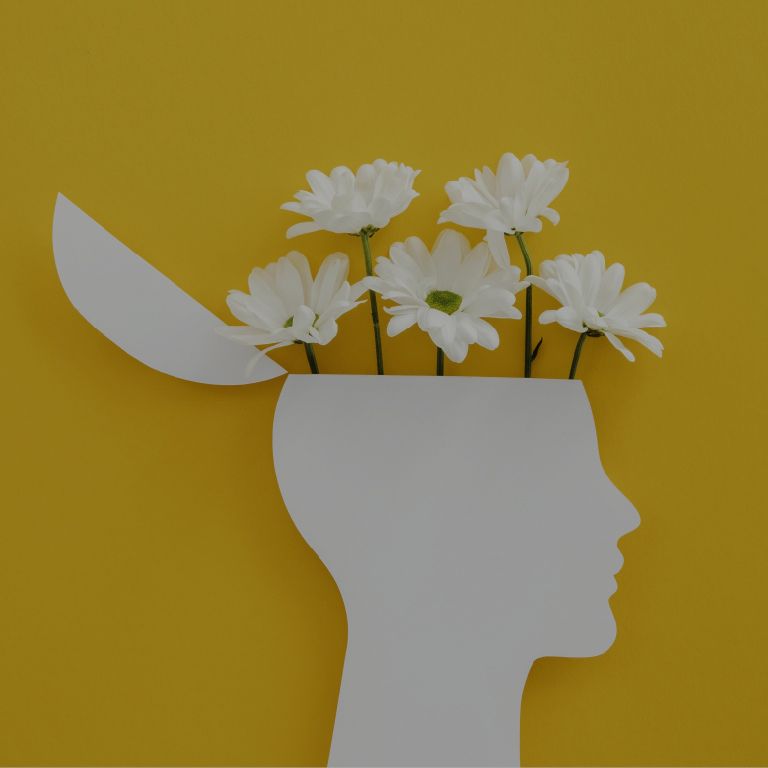
Self-reflection is the practice of intentionally turning your attention inward.
It’s about examining your experiences, thoughts, beliefs, emotions, and behaviour.
By engaging in self-reflection, you begin to understand yourself and your life more clearly. With this clarity, it becomes much easier to pursue self-improvement and to make changes that enhance your life.
Yet many people rarely do it.
Much of modern life is lived on autopilot: responding to notifications, entertainment, and endless streams of information.
We move from one task to the next without ever pausing to ask ourselves why we do what we do or how we truly feel.
Self-reflection asks us to slow down. To pause the constant flow of stimulation and spend time with our own thoughts.
This practice is so powerful because it can touch every area of your life. It’s easy to get started, and there are fun, creative ways to do it. Keep reading to learn five powerful methods as well as how to turn it into a consistent habit.
1. Paper Journaling
Writing with pen and paper is the oldest and most traditional form of self-reflection. All you need is a notebook and a few minutes to explore your thoughts.
Besides a plain notebook, there are many other types of paper journals you could use:
- Gratitude journal
- Self-awareness journal
- Bullet journal (BuJo)
- Art or junk journal
- Dream journal
There are two main forms of journaling: guided and unguided journaling.
In unguided journaling, you simply write whatever comes to your mind. This approach is also known as stream-of-consciousness journaling.
On the other hand, in guided journaling, you use structured prompts or reflective questions. This approach can be especially helpful if you’re new to journaling and aren’t sure where to begin. Guided journaling can also help you discover insights you may not have reached on your own.
2. Digital Journaling
While paper journaling remains popular, digital journaling has rapidly grown in popularity in recent years.
For some people, typing feels quicker and easier than writing by hand. Digital journals are convenient since they take up no storage space, and they also provide the benefit of greater privacy – no need to worry about anyone peeking inside!
3. Voice Journaling
Not everyone enjoys writing. For those who process ideas better through speech, voice journaling can be a great alternative.
This method simply involves recording your reflections as audio. You might speak freely about your day, work through a challenge out loud, or respond to a reflection prompt.
Speaking can sometimes unlock thoughts more naturally than writing. Because conversation is a more familiar mental process, you may find that you express yourself more openly when talking.
Voice notes on your phone make this easy to practice anywhere – during a walk, after a meaningful experience, or whenever you feel the need to process something.
4. Mental Reflection
Strictly speaking, self-reflection doesn’t always require writing or recording anything. You can also engage in intentional thinking.
You might read a reflection prompt and spend a few minutes considering it mentally. Questions like:
- What did I learn today?
- What challenged me this week?
- What am I grateful for right now?
Mental reflection can fit easily into your existing routines. Practice it during your commute, walking, or household chores.
Another simple practice is the end-of-day review. Before going to sleep, briefly reflect on the day: what went well, and what could be improved.
While mental reflection may not always be as powerful as writing/typing/speaking (because thoughts can quickly fade), it still encourages intentional living.
5. Conversation-Based Reflection
Reflection doesn’t always have to happen alone. Sometimes the clearest insights emerge through discussions with others.
Talking things through with a trusted person can reveal perspectives you might not see on your own. Friends, family members, coaches, or therapists can all play valuable roles in this process.
The simple act of explaining your thoughts out loud often clarifies them. Others may ask questions, challenge assumptions, or offer insights that deepen your understanding.
How to Build a Consistent Self-Reflection Habit
Self-reflection becomes most powerful when it becomes a regular habit.
Focus on making it your keystone habit – one that naturally improves many other areas of your life.
When you regularly self-reflect, you begin making better choices in everything from relationships to health to productivity.
We recommend setting aside time once a week for intentional reflection.
Scheduling this time increases the likelihood that it’ll actually happen. Put it in your calendar and treat it as non-negotiable.
It can also help to attach the practice to an existing routine, for example:
- Every Sunday evening after dinner
- During your Saturday morning coffee
- Every Wednesday after a yoga class
Habit-tracking apps can provide reminders, help you stay consistent, and monitor your progress. Sharing your goal with a friend can also create accountability, especially if they decide to do it alongside you.
Most importantly, self-reflection should not feel like another item on your to-do list. If a method feels forced, keep experimenting. Try different tools, formats, and approaches until you find something that feels genuinely rewarding.
Summary
Self-reflection is one of the most powerful habits you can develop.
By regularly examining your experiences, thoughts, beliefs, emotions, and behaviour, you gain the clarity needed to grow, make better decisions, and live more intentionally.
It ultimately moves you closer to what psychologists call self-actualization: becoming the fullest expression of who you are. As Carl Jung famously said, “The privilege of a lifetime is to become who you truly are.” Reflection is the tool that allows you to uncover your authentic self.
There’s no single correct way to practice it. Paper journaling, digital tools, voice recordings, mental reflection, and meaningful conversations can all serve as valuable methods.
The key is simply to begin, and to keep exploring until you find the approach that resonates the most with you. You’ve got this!


About Rebecca
Rebecca Marks is the founder of The Wellness Society, a social enterprise that has supported thousands on their journey to mental wellbeing.
Her tools have been shared by the NHS and featured by Mind, the UK’s leading mental health charity. She comes from a career in mental health charity management, facilitating peer support programs and co-producing initiatives with service users.
Learn more about our story on the About page.