
When someone struggles with substance use, the focus often lands squarely on the 'habit' itself. We talk about the frequency of use or the specific substance involved, but we rarely start by asking what that substance is doing for the person.
For many, drugs and alcohol aren't just random choices; they’re survival tools used to manage deep-seated pain.
However, the relief they provide is temporary and comes at a high cost. Breaking the cycle of drug and alcohol problems requires an understanding of why the cycle exists in the first place. This is where therapy becomes the most effective tool in the recovery toolkit.
By moving beyond the surface-level behaviours, therapy helps you address the roots of your struggle and build a life where you no longer feel the need to escape. Keep reading to discover the different ways therapy can make a difference in your life.
Identifying the Roots of Substance Use
Most people don't wake up one day and decide to develop a dependency.
Usually, substance use starts as a way to cope with various mental health problems that feel unmanageable on their own. Chronic anxiety, unresolved trauma, or depression can make daily life feel like an uphill battle. When someone lacks the internal tools to regulate these heavy emotions, drugs or alcohol can feel like a necessary bridge to get through the day.
In a therapeutic setting, the goal is to identify these warning signs before they spiral further. A therapist helps you look at your history and your environment to see where the pressure is coming from.
Are you drinking to cope with social anxiety?
Are you using stimulants to keep up with work demands?
Are you using substances to numb difficult emotions?
By naming the 'why' behind the use, you take the power away from the substance.
Dealing with Physical and Emotional Stress
The transition away from substances is rarely a linear journey.
The early stages of recovery are often marked by intense withdrawal symptoms that can be both physically painful and emotionally exhausting. During this time, the brain is essentially relearning how to function without a chemical crutch.
Working with a dedicated drug and alcohol use therapist provides a safe space to navigate these hurdles without judgement. While a doctor might manage the physical side of detox or prescribe prescription medicines to stabilize your chemistry, a therapist helps you manage the emotional fallout.
They help you develop healthier ways to cope with stress, anxiety, and emotional pain. When cravings arise, a therapist can help you ride out urges rather than react to them – supporting you in processing the guilt, shame, or grief that often surface once the numbing effect of substances wears off. Over time, this work helps rebuild self-trust, emotional regulation, and a sense of agency in your recovery.
Rebuilding the Brain and Behaviour
One of the most challenging aspects of long-term drug and alcohol problems is the physical toll it takes on the body, including potential brain damage that affects decision-making and impulse control.
Fortunately, the brain is remarkably plastic. Through mindfulness practice in particular, you can retrain attention, calm the stress response, and strengthen the brain systems involved in self-control. With consistent practice, the brain gradually becomes less driven by craving and more capable of choice.
Therapy also addresses the practical 'fallout' of addiction. Years of substance use often lead to significant productivity losses at work and strained relationships at home. By focusing on the recovery process as a whole-life overhaul, therapy helps you rebuild your professional reputation and repair your personal connections.
Finding a Support System
Recovery cannot happen in a vacuum.
Isolation is often a major driver of drug and alcohol problems, so building a community is essential for staying on track. While therapy offers deep, individualized work, it also serves as a gateway to broader treatment options. A therapist might recommend joining support groups where you can connect with others who truly understand your experience.
For many, this includes traditional programs like Alcoholics Anonymous, which provide a structured path and immediate peer accountability.
Summary
Breaking a cycle of drug and alcohol problems is one of the hardest things a person can do. It requires a level of honesty and vulnerability that can feel overwhelming at first. However, therapy provides the structure and the safety needed to face those challenges head-on. It shifts the narrative from “What’s wrong with you?” to “What happened to you, and how can we help you heal?”
By addressing the underlying emotional pain and plugging into a supportive community, you can move past the cycle of drugs and alcohol. If you’re ready to take that first step, remember that you don’t have to walk that path alone.
Trauma-Informed Support for Mental Health
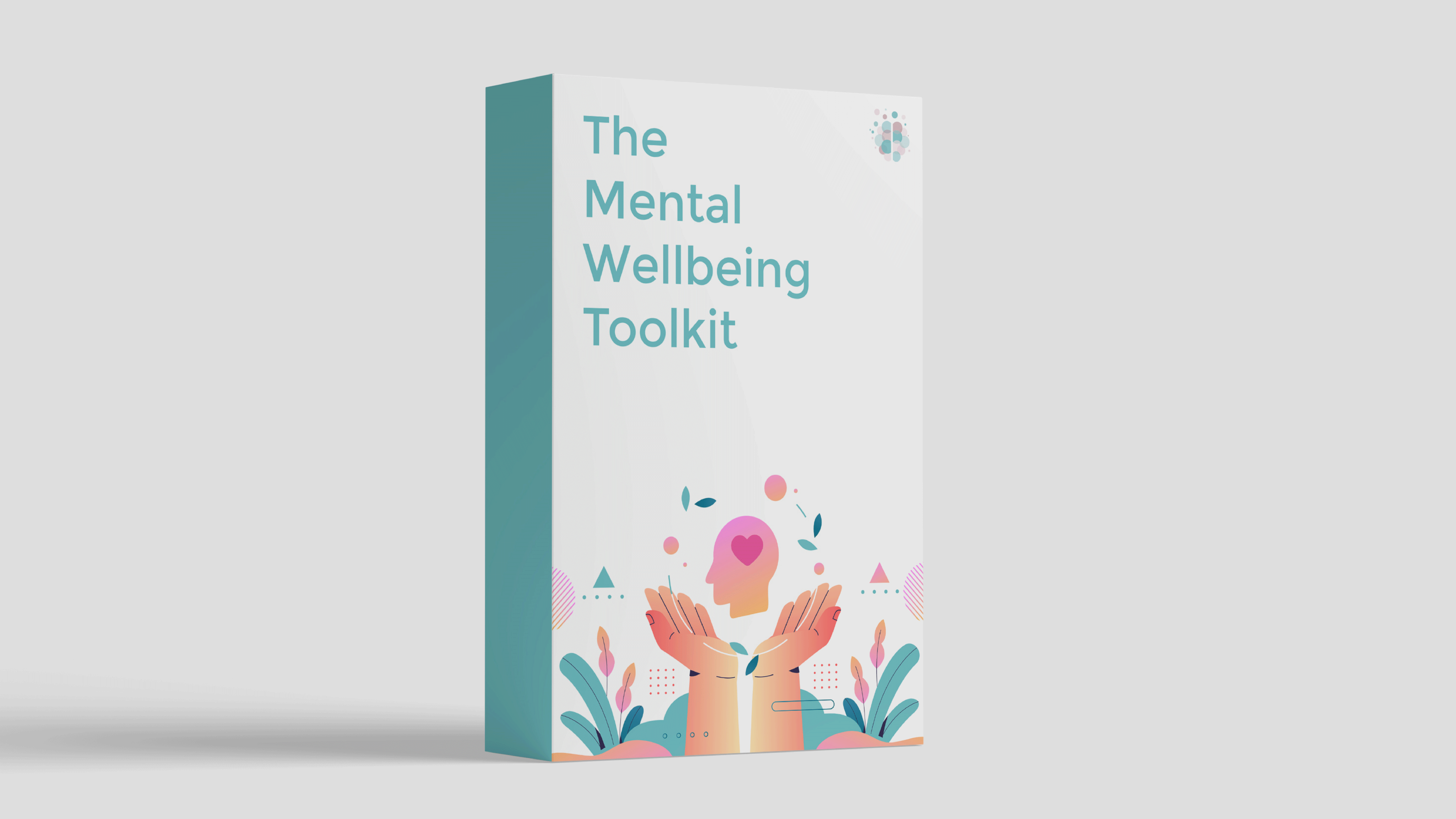
If you’re interested in a trauma-informed self-guided program, be sure to check out The Mental Wellbeing Toolkit. It's "like 10 therapy sessions in one."



About Rebecca
Rebecca Marks is the founder of The Wellness Society, a social enterprise that has supported thousands on their journey to mental wellbeing.
Her tools have been shared by the NHS and featured by Mind, the UK’s leading mental health charity. She comes from a career in mental health charity management, facilitating peer support programs and co-producing initiatives with service users.
Learn more about our story on the About page.