
Most people assume the toughest years in a music career come later, once you're gigging for a living and worrying about money. But the data says otherwise. The UK Musicians' Census, a survey of nearly 6,000 musicians run by Help Musicians and the Musicians' Union, found that 41% of music students reported negative mental wellbeing. That's quite a bit higher than the 30% average across established professionals.
The pressure doesn't build slowly over a career. For many, it peaks before the career has even started. So what's actually going on inside conservatoires and music departments that makes this stage so difficult?
Constant Assessment With Nowhere to Hide
In most university subjects, you can have a bad week and nobody will notice. Music doesn't give you that luxury. Performance assessments are public, played out in front of peers, lecturers, visiting examiners, sometimes multiple times a term. Every stumble is visible and audible, and there's no hiding it.
That kind of exposure creates a vicious cycle. Your self-worth gets tangled up with how well you played on a given day, and a poor recital doesn't just mean a lower mark. It can start to feel like a judgement on who you are as a person.
From Best in School to Average in a Cohort
There's a specific kind of shock that hits during the first term of music college. You were probably the best player in your school, maybe the best in your county. Then you walk into a building full of people who were all that person too.
Your whole identity was built on being exceptional. Now you're surrounded by people who are just as good, or better, and the comparison doesn't let up. You'll hear someone practise through a wall and wonder if you'll ever reach that level. You'll sit in ensemble rehearsals quietly ranking yourself against the people either side of you. It's relentless, and it can quietly erode your confidence over months.
No Guaranteed Outcome
Medicine students know they'll be doctors. Law students know there are training contracts at the end. Music students don't have that kind of certainty. Even after three or four years of intense study, there's no clear job waiting.
Most will patch together freelance work, teaching and the odd gig for years before anything feels stable, if it ever does. That uncertainty hangs over you while you're still studying, and it doesn't go away once you graduate either.
Support That Starts Before the Career Does
Conservatoires do have counselling services, but they're often stretched thin. And generic university mental health provision doesn't always account for the specific pressures musicians face. Things like performance anxiety, repetitive strain injuries, and the blurred line between personal identity and professional output aren't covered well by one-size-fits-all support.
Generic university counselling isn't really built for what music students go through. Performance anxiety doesn't work like exam stress, a repetitive strain injury from six hours of daily practice isn't the same as a sore back from sitting in a library, and the way a bad recital can feel like a personal failure is something most counsellors won't have a framework for.
Guidance on the health and wellbeing of musicians that actually accounts for those pressures is relevant from the first term, not just once someone is ten years into a freelance career. Waiting until things get serious is how temporary problems turn into permanent ones.
When Your Identity Rests on One Thing
Perhaps the biggest risk factor is how completely a music student's identity can revolve around their instrument. If playing is the only thing that makes you feel like yourself, then a bad lesson, a hand injury, or a round of negative feedback won't just affect your studies. It will affect your entire sense of who you are.
Parents and tutors can help by encouraging interests and relationships outside of music. That doesn't mean being less committed. It means making sure a student's self-worth has more than one foundation to stand on. Therapists working with young musicians will often focus on this too, helping them build an identity that can absorb setbacks without falling apart.
Summary
The 41% figure should change the conversation. If music students are struggling more than professionals with decades of experience, the intervention needs to come sooner. That means better-funded wellbeing services inside institutions, more awareness among tutors of what to look for, and honest conversations about what it actually costs, emotionally, to pursue music at a high level.
Helpful Tools
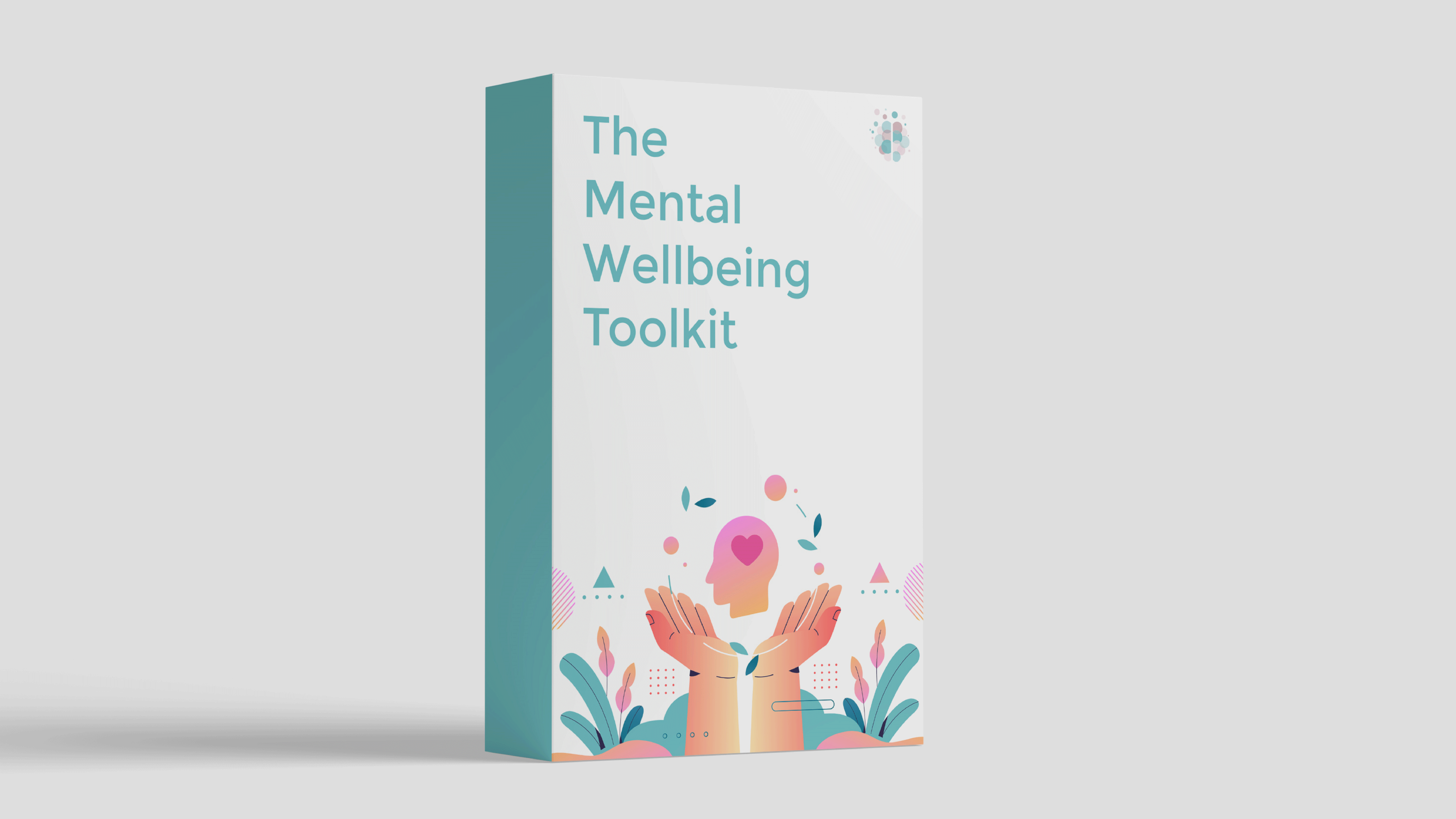
Our self-guided program includes tools from CBT, DBT, ACT and more, so you can discover what works best for you. Check out The Mental Wellbeing Toolkit today – it's "like 10 therapy sessions in one."


Author

About Rebecca
Rebecca Marks is the founder of The Wellness Society, a social enterprise that has supported thousands on their journey to mental wellbeing.
Her tools have been shared by the NHS and featured by Mind, the UK’s leading mental health charity. She comes from a career in mental health charity management, facilitating peer support programs and co-producing initiatives with service users.
Learn more about our story on the About page.