
Also known as inpatient treatment, residential care is a highly structured, live-in form of treatment for people struggling with drug and alcohol problems.
The defining characteristic is that the patient doesn’t live in their home. They’re staying at a treatment facility for the duration of the program, completely removed from their home environment and all the associated triggers for substance use.
As you might imagine, this type of treatment is quite intensive, so it’s typically recommended only for those who meet specific criteria. Today, we’ll explore what those criteria are and how therapists determine who’s best suited for residential care.
Who is Residential Care For?
A therapist may recommend an inpatient treatment facility for substance use if the person meets any of these criteria:
- They have a diagnosis of Substance Use Disorder.
- Are living in an unstable, unsupportive, or highly triggering home environment.
- Have diagnosed co-occurring mental health disorders (dual diagnosis) that require a higher level of integrated support.
- Have a history of relapse in less intensive treatment settings.
- Require medical monitoring for severe or complicated withdrawal.
One of the reasons why people self-medicate with substances is in response to extreme stress or trauma. If their regular environment is emotionally triggering, then their best chance to regain control may be in residential care. Here, they have a structured, supportive, and safe environment away from any triggers.
How Therapists Decide
The decision is never made lightly and involves a thorough evaluation of the person’s mental health and home environment. To guide this process, therapists use the ASAM Criteria (American Society of Addiction Medicine) to assess a person’s needs across six key dimensions.
While most therapists will recommend inpatient treatment at Dimension 3, some patients at Dimensions 1 and 2 may also require it.
Here are a few examples for each Dimension:
- Acute intoxication and/or withdrawal potential (Dimension 1). They may have minimal to manageable withdrawal risk but still requires 24/7 support and monitoring that their home environment cannot provide.
- Biomedical conditions and complications (Dimension 2). They are medically stable, or their medical conditions are managed, but they still need structure to prevent health issues from interfering with treatment.
- Emotional, behavioural, or cognitive conditions and complications (Dimension 3). Significant psychological issues (e.g., severe mental illness or cognitive impairment) require the 24-hour structure of a residential setting.
- Readiness to change (Dimension 4). Those who are ambivalent or have a low readiness to change can benefit from the highly motivational and structured environment.
- Relapse, continued use, or continued problem potential (Dimension 5). A high risk of relapse or history of repeated relapses indicates the need for an intensive, removed, and structured setting.
- Recovery/living environment (Dimension 6). A non-supportive, toxic, or unsafe home or social environment is a primary indicator for residential placement.
We can think of residential care as an opportunity to focus fully on recovery. It offers intensive, well-rounded treatment designed to address the complex challenges of substance use and any associated mental health challenges.
Summary
While it may feel overwhelming, inpatient treatment is often the right path forward if a therapist recommends it. It’s also a way to reconnect with yourself and feel in control of your decisions again. With round-the-clock care, professional support, and therapeutic guidance, you have the time and space to address what’s really going on beneath the surface. It’s a chance to rebuild your strength and rediscover a sense of clarity and control over your life and choices.
Trauma-Informed Self-Guided Support for Mental Health
Research shows that self-help materials are often enough for people to overcome mild to moderate mental health difficulties without professional support.
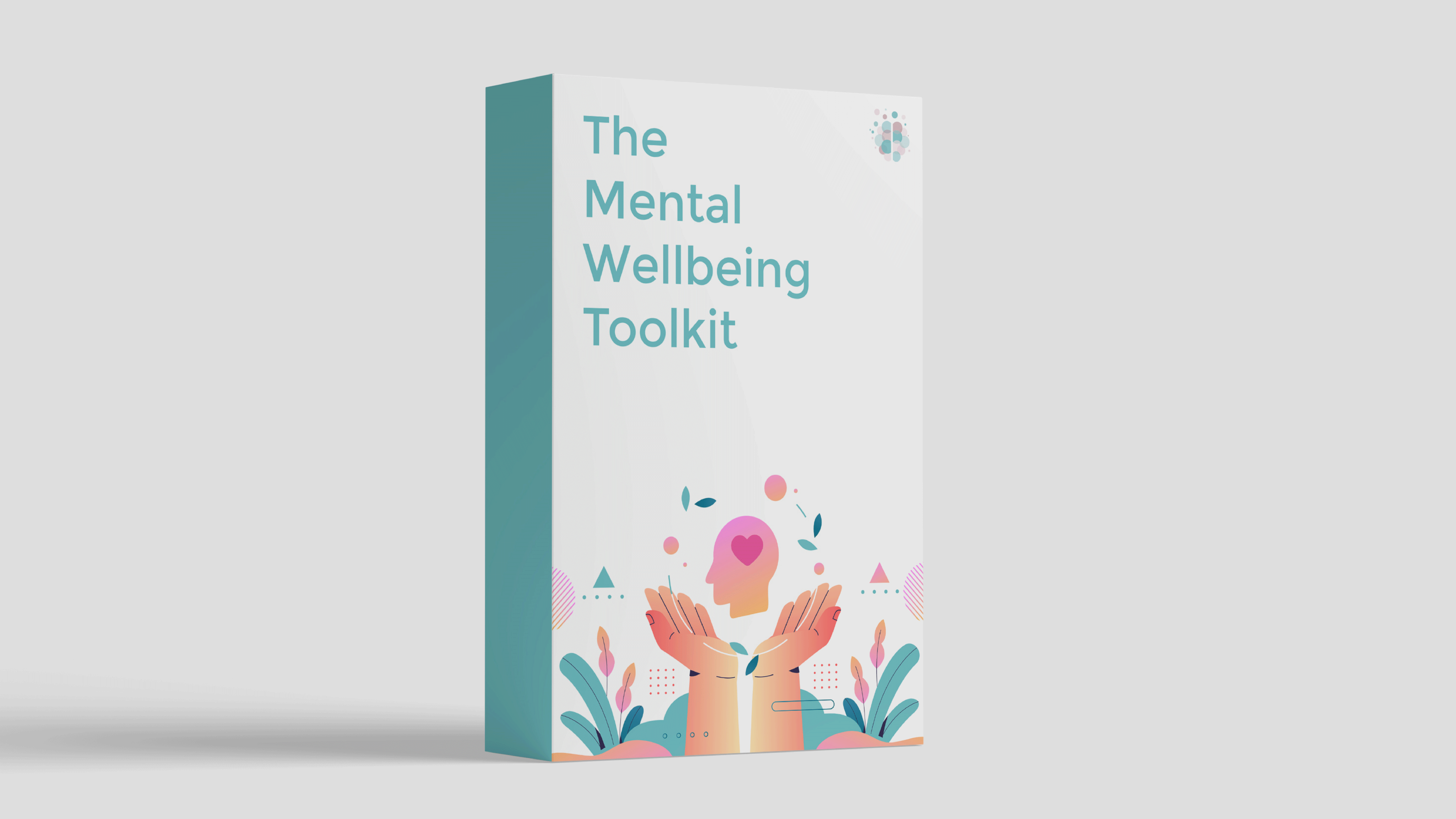
If you’re interested in a trauma-informed self-guided program, be sure to check out The Mental Wellbeing Toolkit.

About Rebecca
Rebecca Marks is the founder of The Wellness Society, a social enterprise that has supported thousands on their journey to mental wellbeing.
Her tools have been shared by the NHS and featured by Mind, the UK’s leading mental health charity. She comes from a career in mental health charity management, facilitating peer support programs and co-producing initiatives with service users.
Learn more about our story on the About page.