
A Master of Social Work opens more doors than most people expect walking into the program. It's a professional degree, not just an academic one, and it's built to prepare graduates for direct practice, leadership, and everything in between.
If you're weighing whether the degree is worth two years of your life and a stack of tuition bills, the honest answer is that it depends on which direction you take it. Keep reading to discover what can you do with a master's in social work and whether it might be for you.
Clinical Practice Is the Most Common Path
Unsurprisingly, most MSW graduates go on to become licensed clinical social workers. Licensure requires supervised clinical hours after graduation, and the exact number varies by state.
Once licensed, a clinician can diagnose and treat mental health conditions, run therapy sessions, and bill insurance independently. That independence is a big part of why so many graduates pursue this route.
Clinical work happens almost everywhere: hospitals, community mental health centers, and private practice all employ licensed social workers in large numbers.
Healthcare Settings Need Social Workers Constantly
Hospitals rely on social workers for discharge planning, crisis intervention, and support for patients facing serious diagnoses. The pace is fast, and no two days look alike.
Hospice and palliative care is its own specialty within healthcare. Social workers here support patients and families through the end of life, which asks a great deal emotionally.
Outpatient clinics and rehabilitation centers round out the healthcare track, offering steadier hours than a hospital floor without losing the clinical depth.
Schools Are a Major Employer
School social work sits at the intersection of education and mental health. The job runs on the academic calendar, with summers off in most districts, which appeals to graduates balancing family life.
The role involves working with students on behavioural issues, connecting families to outside resources, and coordinating with teachers who spot problems early but don't have the training to address them.
It's a setting where relationships build slowly across a school year, and where a single connection can change how a kid experiences the rest of their education.
Government and Policy Roles Use the Degree Differently
Not every MSW graduate wants to sit across from a client every day. Government agencies at the state and federal level hire social workers for child welfare, program administration, and policy analysis.
These roles apply the same understanding of how systems affect people, just at a larger scale. A policy analyst with clinical training brings something a career bureaucrat often can't: firsthand knowledge of how a rule actually lands on the person it's meant to help.
Legislative advocacy is a smaller but real path here too, usually reached after years of frontline or agency experience.
Nonprofit Leadership Draws on the Same Skill Set
Program directors, executive directors, and development staff at nonprofits often hold an MSW. The degree signals an understanding of the populations these organizations serve, which matters as much as budgeting skills in this sector.
Grant writing and program design are common entry points into this track. Someone who has done direct practice tends to write more convincing grant proposals, because they know exactly what a program needs to work.
Specializations Shape the Day-to-Day Work
Substance use treatment, gerontology, and forensic social work are three specializations that pull graduates in very different directions. Each requires additional training beyond the core degree, but each also opens a distinct career lane.
Forensic social work, for instance, involves work within courts, correctional facilities, and law enforcement settings. It's not a fit for everyone, but for graduates drawn to the justice system, it's one of the more direct ways to apply the degree there.
Private Practice Offers Independence
After enough supervised hours and full licensure, many clinicians open a private practice. The appeal is real: set your own hours, choose your caseload, and build a client base around your specific strengths.
The tradeoff is just as real. Private practice means running a small business, and that includes billing, marketing, and the administrative weight that comes with self-employment.
The Degree Rewards Flexibility
Ultimately, you can move between these paths across your career. Someone might spend a decade in direct clinical work, then shift into program leadership once they're ready for a different kind of challenge.
That flexibility is one of the strongest arguments for the degree. Few professional credentials let someone go from frontline crisis work to policy testimony without starting over from scratch.
How to Tell If This Path Is for You
The degree asks a lot of the people who pursue it, so it's worth checking your own reasons before you apply. Wanting to help people is a start, but it's not enough on its own to carry someone through the harder years.
A useful test is how you handle situations you can't fix. Social work involves sitting with people through poverty, illness, and loss that no amount of skill will resolve, and that reality doesn't suit everyone.
It also means learning how to care deeply without carrying every client's pain home with you. Compassion fatigue can develop when prolonged exposure to other people's suffering begins to affect your own emotional wellbeing, making boundaries, self-awareness, and healthy coping strategies essential parts of the profession.
People who thrive in this field tend to ask why a problem exists, not just how to solve the version sitting in front of them.
Field placements exist partly to answer this question for you. Most students know within their first semester of fieldwork whether the day-to-day reality matches what they imagined.
It’s a good idea to talk to people already doing the work before you commit. A practicing social worker will usually be honest about the parts of the job that don't show up in a program brochure – the paperwork, the pay, the cases that stay with you longer than they should.
If you leave those conversations more curious than discouraged, that's a decent sign.
Summary
A Master of Social Work leads to clinical licensure, healthcare and school roles, government and policy work, nonprofit leadership, and private practice, among other paths. The degree is broad enough to carry someone through several different careers without ever leaving the field.
The right path depends less on the degree itself and more on what kind of impact feels meaningful to you – direct and personal, or wider and structural.
Why not map out which setting matches your strengths before you commit to a program?
Helpful Tools
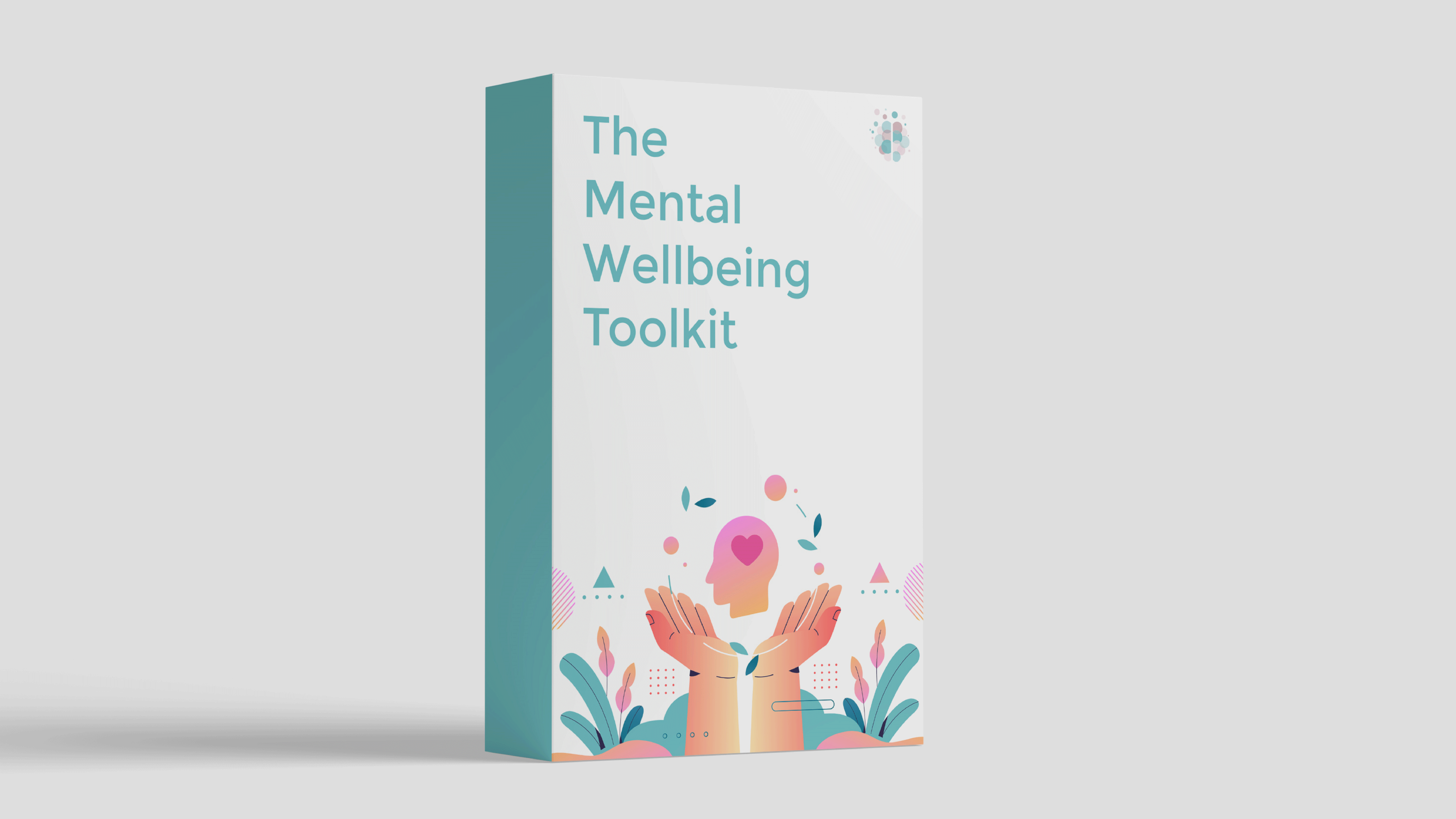
Our self-guided program includes tools from CBT, DBT, ACT and more, so you can discover what works best for you. Check out The Mental Wellbeing Toolkit today – it's "like 10 therapy sessions in one."


Author

About Rebecca
Rebecca Marks is the founder of The Wellness Society, a social enterprise that has supported thousands on their journey to mental wellbeing.
Her tools have been shared by the NHS and featured by Mind, the UK’s leading mental health charity. She comes from a career in mental health charity management, facilitating peer support programs and co-producing initiatives with service users.
Learn more about our story on the About page.