
Anger often has a bad reputation. It’s typically seen as a negative or problematic emotion. But in reality, anger – like all emotions – is neither good nor bad. It’s a signal, designed to get our attention. It provides us with information, alerts us to unmet needs, perceived injustices, or even potential danger. The key is to pause and ask: Hello, anger... what are you trying to tell me?
Anger as a Warning Light
Think of anger like a warning light in a car. When the light turns on, it signals that the car needs something. But to even notice the light, we first need to slow down and pay attention. If we’re rushing or distracted, we might miss it entirely. Once we do notice it, we become curious: Do we check the owner’s manual? Go to a mechanic? Add gas or air to the tires?
This process – slowing down, paying attention, noticing, and becoming curious – is also a helpful way to respond to the "warning light" of anger. What is happening inside and outside your body? What are your thoughts? What might your anger be trying to tell you?
Responding vs. Reacting
The ability to slow down and tune into our internal and external experiences – our thoughts, sensations, and behaviors – can guide us to respond more constructively. This allows us to act in ways that align with our values and identity, instead of reacting in ways we might later regret.
Ask yourself: Do I want to be someone who screams at my kids every day? Is walking around tense and defensive helping me build the relationships I want?
How Anger Shows Up
Understanding how anger appears in your life can help you become more aware of it. For many people, anger is recognized through behaviors or physical symptoms. Let’s break it down:
External Behaviors of Anger
Anger may show up outwardly in ways such as:
- Verbal or physical aggression: yelling, outbursts, violence
- Irritability: easily annoyed by minor issues, constantly "on edge"
- Body language: clenched fists, tense muscles, pacing
- Defensiveness: making excuses, denying feedback, blaming others
- Passive-aggressive behavior: sarcasm, complaints, avoiding direct communication
- Unhealthy coping: substance use to numb or avoid emotions
Internal Signs and Sensations
Anger can also manifest internally:
- Withdrawal and isolation: leading to strained relationships
- Depressed mood: lingering low energy or sadness
- Physical symptoms: headaches, muscle tension, clenched jaw, stomachaches
- Sleep disturbances: trouble falling or staying asleep
- Emotional detachment: disconnecting from all feelings
- Rumination: stuck in thought loops
- Cognitive distortions: black-and-white thinking, catastrophizing
Noticing Both Sides
It’s not always easy to separate external and internal signs – often, they overlap. For instance, sleep issues can be both visible (awake at 3 a.m.) and internal (racing thoughts). What matters is using these signs to notice your anger. Snapping at your partner might be a sign. Feeling disconnected might be, too. Once you can name the experience, you’re more likely to understand what your anger is communicating.
When Is Anger a Problem?
Occasional signs of anger – except for physical violence – are not necessarily problems. They're signals worth noticing. Maybe you need to set a boundary, write a letter to your representative, take a break, or go for a walk.
Anger becomes a problem, or an “anger issue,” when it becomes frequent or chronic. A single outburst or irritable day doesn’t mean you have an anger problem. But if irritability shows up daily, or you’re yelling every time you drive, that can escalate into something more serious.
Chronic anger can lead to:
- Relationship difficulties
- Problems at work
- Mental and physical health issues
Look back at the behaviors and sensations listed above – if they happen often, they will likely cause ongoing harm.
The Good News: Anger Is a Teachable Signal
Whether you experience occasional anger or ongoing anger issues, the important thing to remember is this: anger itself isn’t the enemy. It’s a message. And there are effective, evidence-based strategies to change unhealthy anger patterns. They all start with a simple but powerful step:
Slow down. Pay attention. Notice. Get curious.
One of the most effective ways to begin this process is through mindfulness.
Mindfulness helps you slow down and tune into your thoughts, emotions, and physical sensations without judgment. Backed by research, mindfulness has been shown to reduce emotional reactivity (including anger) by creating space between feeling and action.
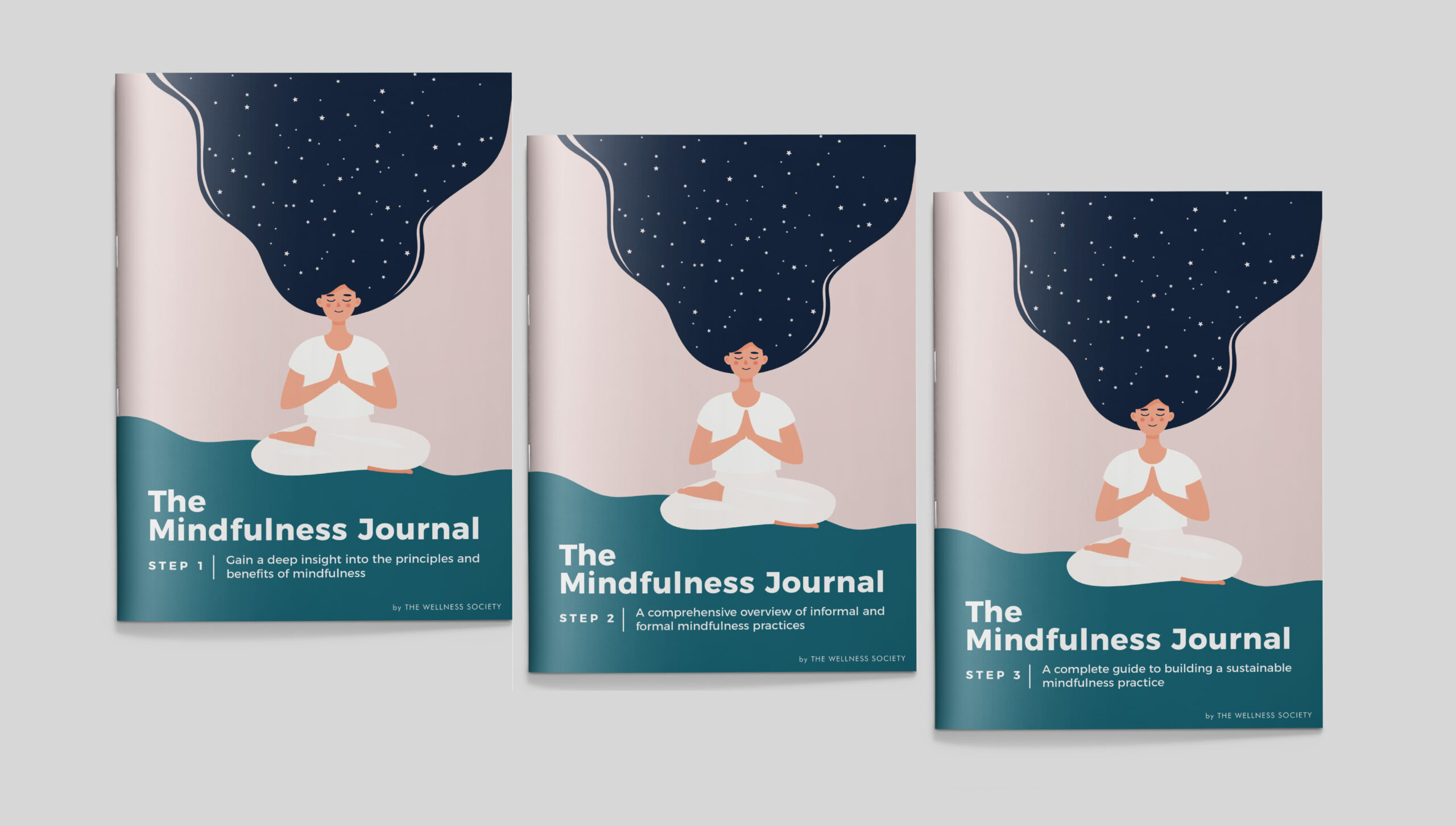
Interested in developing a mindfulness practice? Explore The Mindfulness Journal for practical tools, prompts, and guidance to help you turn awareness into action.

About Laura
Laura is a licensed Master Social Workers in CT and a certified National Behavioral Health and Wellness Coach (NBC-HWC). She has many years of experience as a youth and family community social worker, focused on positive youth developmental, parent support and education, and community substance use & suicide prevention programming.
Laura currently works full-time as a text based behavioral health coach at Headspace. You can contact her via Linkedin.