
Sarah is a coach working with a client named Emma, a 34-year-old marketing manager.
Although Emma was generally successful at work, she described feeling “on autopilot,” lacking excitement, and struggling to articulate what she truly wanted for her future.
Sensing that Emma needed a deeper, more values-driven way of defining her next steps, Sarah introduced her to the EXACT goal-setting model, along with The GROW Planner as a structured way to explore it.
Step 1: Exploring the Goal
Sarah used prompts from the Goal section to help Sarah clarify her goal:
- “What do you really want, in an ideal world?”
- “What would your life look like if other people’s opinions didn’t matter?”
- “What would you do if you knew you wouldn’t fail?”
At first, Emma defaulted to “should” goals – get promoted, take another course, be more productive.
But as Sarah probed further using powerful coaching questions, Emma paused and said:
“Honestly… I think I just want to feel creative again.”
Sarah noticed the shift immediately.
This was the energy shift Carol Wilson describes when someone connects with a true goal.
"People often tend to set goals according to what they think they should aim for, rather than what they truly want. This exploratory process will help them determine a true goal, and when this happens a shift in energy shows up – a smile, sitting up, brighter tone of voice, eyes lighting up, etc."
Step 2: Using The GROW Planner to Understand the Reality
Sarah guided Emma through the Reality section of the planner:
- “What will happen if you don’t take action?”
- “What’s happening right now that’s stopping this from being a higher priority?”
- “How important is this to you?”
Reflecting on how important creativity actually was to her helped Emma notice that she’d been postponing it for years.
She realised that what she needed most was not a new job, but a way to bring creativity back into her life.
Step 3: Converting the Insight Into an EXACT Goal
With the foundation set, Sarah supported Emma in shaping this discovery into an EXACT goal.
Explicit
The focus narrowed from vague “be more creative” to:
“Rebuild a personal creative practice.”
Xciting
Sarah asked, “What version of this goal genuinely excites you?”
Emma replied:
“I’d love to start painting abstract art again. I used to really love it.”
Sarah noticed a clear energy shift. The right goal was emerging.
Assessable
Emma decided:
“I want to find a local art class to join.”
Challenging
Given her schedule, this felt achievable but stretching.
Timeframed
Emma set a six-month timeframe to rebuild a consistent creative habit.
Together they shaped the final EXACT goal:
“Over the next six months, I’ll rebuild a creative practice by regularly attending a local painting class.”
Step 4: Planning the Way Forward
To support deeper reflection, Sarah asked Emma to explore the Options section of The GROW Planner on her own between sessions.
Emma was encouraged to consider what practical steps might help her reconnect with her creativity, using the prompts to guide her thinking.
Options
During the week, Emma spent time reflecting on the prompts and noted several possibilities that emerged from her own insights, such as:
- Scheduling a weekly 90-minute painting block
- Creating a small creative corner at home
- Reducing one draining work commitment where possible
She brought these ideas into their next session for discussion.
Way Forward
At the following session, Sarah and Emma reviewed Emma’s reflections and explored which options felt best. Through their conversation, they clarified two concrete next steps.
Emma committed to:
- Buying new painting supplies by the end of the week
- Scheduling her first painting session
These actions felt manageable yet energising, giving Emma a clear starting point for rebuilding her creative practice.
Outcome
By the third month, Emma reported:
- Improved mood
- More energy at work
Her EXACT goal gave her motivation anchored in genuine desire, not external expectation.
Practical Coaching Tips
- Look for the “energy shift,” not just the verbal goal. When a client’s eyes light up or their tone changes, that's the real goal emerging. Pause and explore what just happened.
- Distinguish “should” goals from “want” goals. If a goal sounds somewhat generic, always ask: “What would your life look like if other people’s opinions didn’t matter?”
- Your role is to guard the client’s true goal. Gently steer them back to their excitement when they drift back into “shoulds”.
- Use “Why?” and “What if?” questions to uncover values. Move past surface answers by asking: “Why is that important to you?” and “What would change if you had this?”
- Anchor new goals in identity, not just productivity. Connect the goal to who they wish to be (e.g., “I'm someone who craves creativity”), not just what they want to achieve.
- Start small but meaningful. The first step should be emotionally rewarding (like buying art supplies) to build momentum, not just check a box.
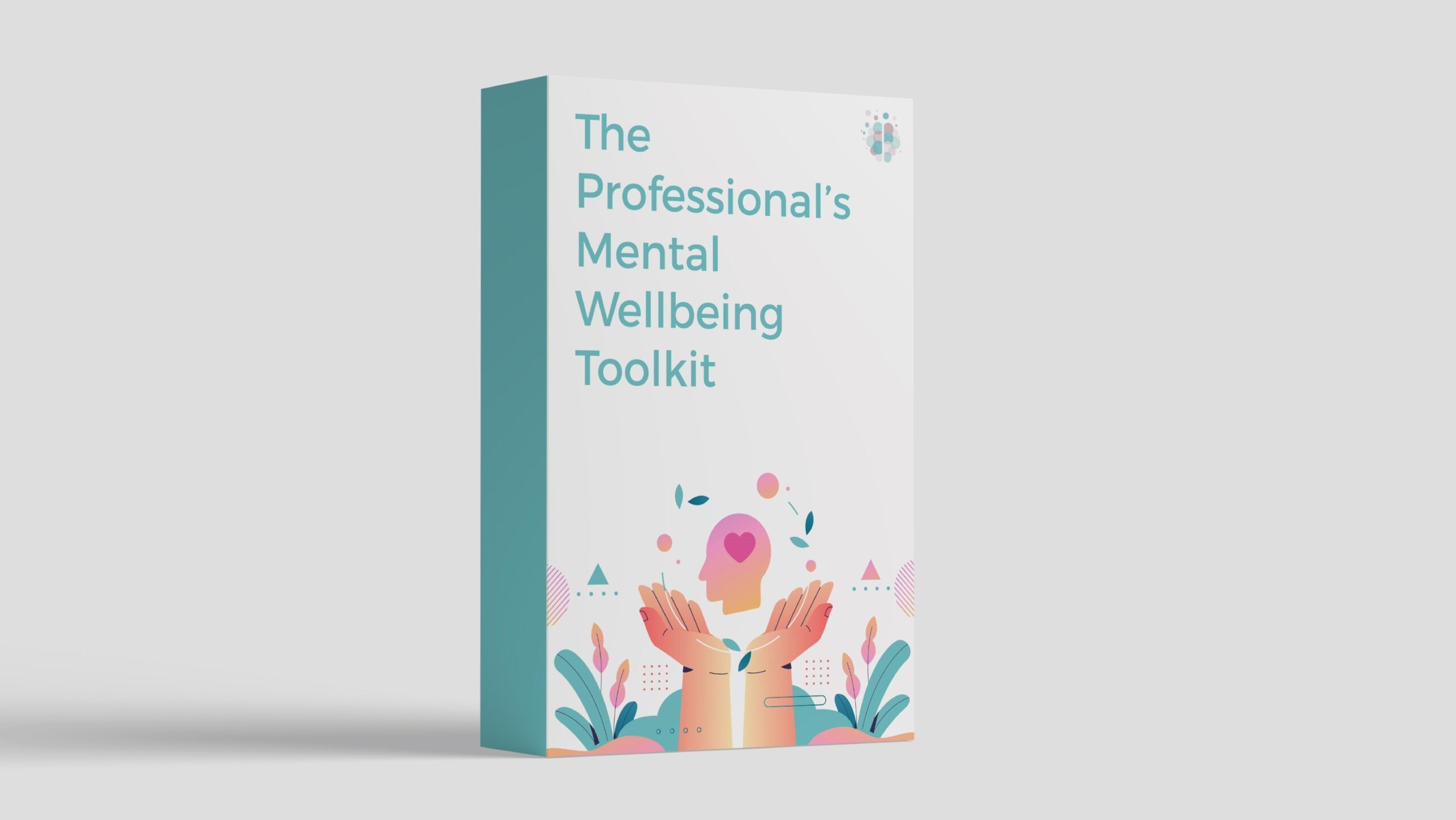
Want to use The Grow Planner tool with clients? Be sure to check out The Professional's Mental Wellbeing Toolkit today.



About Rebecca
Rebecca Marks is the founder of The Wellness Society, a social enterprise that has supported thousands on their journey to mental wellbeing.
Her tools have been shared by the NHS and featured by Mind, the UK’s leading mental health charity. She comes from a career in mental health charity management, facilitating peer support programs and co-producing initiatives with service users.
Learn more about our story on the About page.