
Metabolic health refers to the body’s ability to maintain optimal levels of blood sugar, cholesterol, blood pressure, and waist circumference. In other words, it’s about how well your body converts food into energy and handles that energy.
Good metabolic health means stable glucose, healthy lipid profiles, and efficient energy metabolism.
Poor metabolic health doesn’t just affect your body – it’s also tied to your mental wellbeing.
Keep reading to learn more about this important but often overlooked topic.
What Physiological Processes are Involved in Metabolic Health?
Metabolic health is shaped by several interconnected physiological systems that determine how efficiently your body produces, stores, and uses energy. When these systems function well, you experience stable energy and balanced mood.
When they break down, both physical and mental health can suffer.
Key Physiological Processes
- Glucose regulation. Your body maintains blood sugar through insulin (lowers glucose) and glucagon (raises glucose). Healthy metabolic function means glucose enters cells efficiently without large spikes or crashes.
- Insulin sensitivity. Insulin’s job is to act like a “key” that unlocks cells so glucose can enter. Good insulin sensitivity means the key works smoothly. Poor sensitivity (insulin resistance) forces the pancreas to produce more insulin, leading to inflammation, fatigue, cravings, and long-term metabolic issues.
- Inflammatory response. Chronic low-grade inflammation disrupts insulin sensitivity, affects neurotransmitters, and stresses the nervous system. Inflammation is strongly linked to low mood, anxiety, and cognitive decline.
- Mitochondrial function. Mitochondria are the “powerhouses” of your cells. They convert food into ATP, your body’s usable energy. Healthy mitochondria provide sustained physical and mental energy. Impaired mitochondria contribute to brain fog, low mood, and fatigue.
- Lipid metabolism. This involves how your body manages fats, including cholesterol and triglycerides. Proper lipid metabolism supports hormone production, brain function, and stable energy. Dysregulated lipid metabolism increases inflammation and cardiovascular strain.
- Hormonal regulation. Several hormones influence metabolism, including cortisol (stress), thyroid hormones (metabolic rate), ghrelin and leptin (hunger and fullness), and sex hormones like estrogen and testosterone. Imbalances can affect appetite, energy, sleep, and mood.
- Gut microbiome activity. The gut’s bacteria help break down food, regulate inflammation, and communicate with the brain via the gut–brain axis. A disrupted microbiome can contribute to cravings, anxiety, mood disturbances, and metabolic dysfunction.
- Autonomic nervous system balance. Your sympathetic (fight-or-flight) and parasympathetic (rest-and-digest) systems regulate energy expenditure, digestion, and stress responses. Chronic stress keeps you in sympathetic dominance, impairing metabolic processes.
Signs of Problems with Metabolic Health
Here are common red flags that your metabolic health may be compromised:
- Elevated fasting blood sugar or HbA1c
- High triglycerides or LDL (“bad”) cholesterol
- Low HDL (“good”) cholesterol
- High blood pressure or elevated resting pulse
- Excess abdominal fat (high waist-to-hip ratio)
- Persistent fatigue or low energy levels
- Difficulty losing weight, despite dieting or exercise
- Insulin resistance or prediabetes
- Frequent sugar or carbohydrate cravings
If something feels “off” with your energy, mood, or appetite, getting some basic blood tests can help you understand whether metabolic imbalances are playing a role.
How Problematic Metabolic Health Can Impact Mental Wellbeing
Here are some ways that your metabolic health can influence on your mind:
- Mood dysregulation. Fluctuating blood sugar can lead to irritability, anxiety, or mood swings.
- Increased stress sensitivity. Metabolic stress can amplify how the body reacts to psychological stressors, making you more reactive.
- Depression. Chronic metabolic issues (like insulin resistance) have been linked in research to higher rates of depressive symptoms.
- Brain fog. Insulin resistance and inflammation may impair cognitive function, memory, and clarity.
If you’re experiencing these symptoms, don’t worry. There are many effective steps you can take to begin improving your metabolic health.
How to Improve Metabolic Health
Here are actionable, science-grounded strategies for unlocking metabolic health and supporting your mental wellbeing:
Optimize Your Diet
- Eat a balanced, whole-food diet with plenty of vegetables, lean proteins, and healthy fats
- Minimize refined sugars, ultra-processed foods, and trans fats
- Favour low-glycemic carbohydrates, like whole grains and legumes
Get Regular Movement
- Aim for 150 minutes of moderate aerobic exercise per week (e.g., brisk walking, cycling)
- Include strength training 2–3 times per week to build muscle and improve insulin sensitivity
- Add daily non-exercise movement (like walking meetings or short stretch breaks)
Prioritize Quality Sleep
- Strive for 7–9 hours of consistent sleep per night
- Create a calming bedtime routine (no screens at least 30 minutes before bed)
- Keep your sleep environment cool, dark, and quiet
Manage Stress Wisely
- Use cognitive tools like self-help, journaling or therapy to manage distress
- Practice mindfulness, meditation, or breathwork regularly
Support Gut and Hormonal Health
- Eat fiber-rich foods (vegetables, fruits, legumes) to feed beneficial gut bacteria
- Consider probiotics (food-based, not necessarily supplements)
- Monitor and optimise hormone-balancing nutrients like magnesium, zinc, and vitamin D
Avoid Toxins
- Limit excessive alcohol consumption
- Avoid smoking or excessive exposure to environmental pollutants
- Choose minimally processed personal care and household products
Signs You’re Improving Your Metabolic Health
Here are practical indicators that your efforts to improve metabolic health are paying off:
- More sustained energy through the day
- Better mood stability and fewer sugar cravings
- More restful, deeper sleep
- Better digestion and more regular bowel habits
- Greater mental clarity or reduced brain fog
- Improved fasting blood glucose or HbA1c levels
- Lower triglycerides, improved HDL to LDL ratio
- Reduction of waist circumference or body fat percentage
- Reduced blood pressure or heart rate
How Long Does It Take to Improve Metabolic Health?
The time it takes to notice improvements in metabolic health can vary depending on factors like your starting point, the changes you implement, and how consistent you are.
Some early benefits (e.g., better energy, improved mood, and more stable blood sugar) can appear within 2-4 weeks of consistently adjusting stress management, diet, exercise, and sleep.
More measurable changes, such as improved blood markers (cholesterol, fasting glucose, HbA1c, or triglycerides), body composition, or waist circumference, typically become noticeable after 8-12 weeks.
Long-term metabolic resilience and sustained improvements usually require 3-6 months or more of consistent lifestyle practices.
The key is consistency and tracking progress. Small, steady changes accumulate into meaningful results over time.
Summary
Metabolic health and mental wellbeing are deeply interconnected. When your metabolism functions well, you don’t just feel physically more resilient – you also feel more emotionally balanced. On the other hand, metabolic dysregulation can fuel mood swings, fatigue, and cognitive fog.
By enhancing metabolic health through balanced nutrition, regular movement, good sleep, stress management, and hormone support, you can build a foundation that supports both your body and your mind. And by paying attention to signs of improvement (e.g., more energy, better labs, and enhanced focus), you’ll know you’re moving in the right direction.
Taking care of your metabolism is one of the most powerful investments you can make in your overall wellbeing.
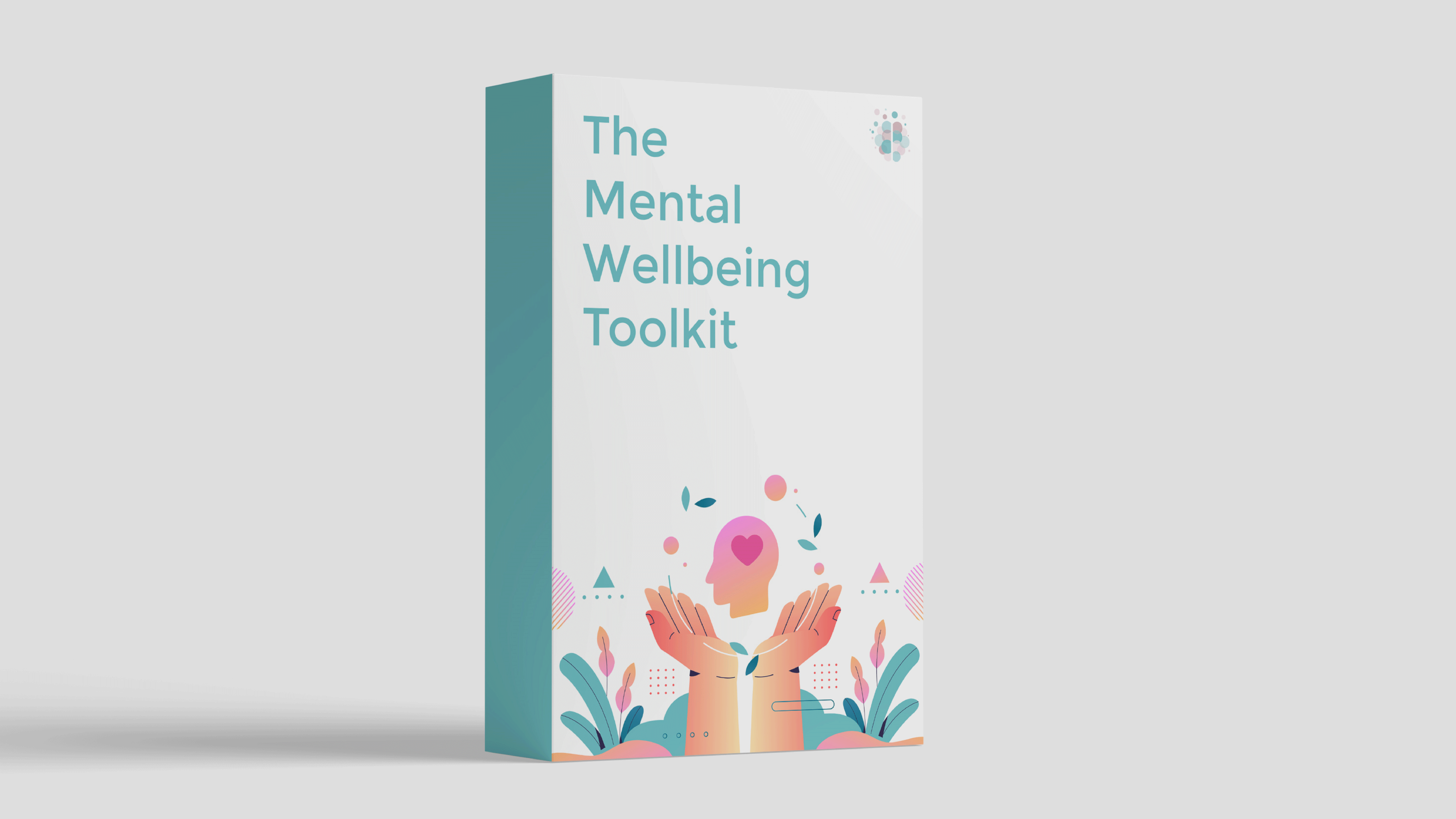
If you’re looking to improve your metabolic health, The Mental Wellbeing Toolkit can guide you with simple, practical tools for reducing stress, establishing nourishing routines around food and movement, and improving your sleep so you can create lasting change.



About Rebecca
Rebecca Marks is the founder of The Wellness Society, a social enterprise that has supported thousands on their journey to mental wellbeing.
Her tools have been shared by the NHS and featured by Mind, the UK’s leading mental health charity. She comes from a career in mental health charity management, facilitating peer support programs and co-producing initiatives with service users.
Learn more about our story on the About page.