
Mental health and addiction are deeply intertwined. For many, substance use isn’t just about seeking pleasure – it’s about finding relief. When someone struggles with both mental health issues and substance use problems at the same time, it’s known as a dual diagnosis. These cases are far more common than most people realise, and they require a level of care that looks beyond symptoms to address the full picture of what’s really happening beneath the surface.
Understanding Dual Diagnosis
The relationship between mental health problems and drug and alcohol use is never one-way. Mental health struggles can lead to substance use, and substance use can worsen mental health symptoms, forming a cycle that becomes harder to escape the longer it continues.
People often turn to drugs or alcohol to cope with distressing emotions or intrusive thoughts. For a while, it may seem to work. A drink might dull anxiety. A pill might ease the sense of emptiness. But the relief is temporary, and when it fades, the original symptoms return stronger than before. What started as an attempt to self-soothe becomes another problem altogether.
The scientific explanation lies in the brain’s chemistry. The same pathways that regulate mood, motivation, and reward are affected by both mental distress and substance use. Dopamine and serotonin imbalances play major roles in depression, anxiety, and addiction alike. When these systems are disrupted, it becomes harder for the brain to experience pleasure naturally, which makes dependence more likely.
Addiction can also involve compulsive behaviors outside substance use. Excessive digital engagement may intersect with depression, anxiety, sleep disruption, and family stress, which is why some families are following the social media addiction lawsuit and wider scrutiny of platform design.
Why Mental Health and Addiction Often Develop Together
Genetics, trauma, and environment all play a role in dual diagnosis. A family history of depression or substance use increases risk. Childhood neglect or chronic stress can shape how the brain processes fear and comfort, leaving someone more likely to self-medicate. Even social factors such as isolation, relationship instability, and financial stress can push a person toward substances as a coping mechanism. The result is a dangerous feedback loop. Drugs or alcohol bring short-term comfort but long-term damage. Mental health symptoms intensify, leading to increased use. Over time, this cycle changes how the brain functions, making both mental health problems and addiction harder to treat in isolation.
That’s why traditional, single-focus care often fails. Someone who completes detox may feel physically better, but untreated trauma can send them right back to using. Likewise, medication for anxiety or depression won’t work if the person continues to drink heavily or misuse drugs. Recovery has to include both sides of the problem, or it won’t last.
Untreated dual diagnosis often leads to worsening emotional distress, higher relapse rates, and in some cases, suicidal thoughts or self-destructive behavior. These individuals also tend to experience greater social instability, losing jobs, relationships, and housing at higher rates. It’s not because they’re unwilling to change, but because their care plan fails to address how closely these two conditions are linked.
What Effective Dual Diagnosis Treatment Looks Like
The best approach to dual diagnosis is integrated treatment – a coordinated plan that addresses both mental health and addiction together, not separately. This means clinicians communicate, goals align, and care is structured to treat the entire person, not just a symptom or behaviour.
A strong program typically begins with a full assessment, examining psychiatric history, medical conditions, and substance use patterns. From there, evidence-based therapies like cognitive-behavioural therapy or trauma-informed counselling can begin. These methods help clients understand the thought patterns and emotional triggers that drive their behaviour.
Medication may also play a role. Antidepressants, mood stabilizers, or medications that reduce cravings can help regulate brain chemistry while new habits are built. Over time, therapy and structure help people learn how to manage stress, regulate emotions, and build a life that supports recovery rather than threatens it.
Integrated care doesn’t end with treatment. Long-term success often depends on continued structure – check-ins, coaching, peer support, and healthy routines. Recovery isn’t a single decision; it’s a process that requires consistency, patience, and accountability.
Recognising When It’s Time to Seek Help
Because symptoms of mental health problems and addiction overlap, dual diagnosis often goes unrecognised for years. It might look like someone who drinks “just to unwind,” but who also struggles with anxiety and insomnia. Or a person who uses stimulants to feel motivated, not realising that underlying depression drives that behavior.
Warning signs include using substances to cope with emotions, repeated relapses, persistent mood swings, isolation, and difficulty functioning in daily life. If someone fits that pattern, it’s important to seek an evaluation from a professional who understands dual diagnosis. The right kind of help is available. A comprehensive, integrated approach to addiction treatment can address both the substance use and the underlying mental health issues that sustain it.
Summary
The link between mental health and addiction reflects how the mind and body respond to pain, fear, and imbalance. Treating one without the other ignores the complexity of human experience. Real healing happens when care recognises that emotional suffering and substance dependence are often symptoms of the same deeper struggle.
Recovery from dual diagnosis takes time and commitment, but it begins with understanding. Once both sides of the problem are addressed, the emotional and the physical, the psychological and the behavioural, people can rebuild their lives. The goal isn’t just sobriety. It’s self-awareness, stability, and a renewed sense of purpose.
Helpful Tools
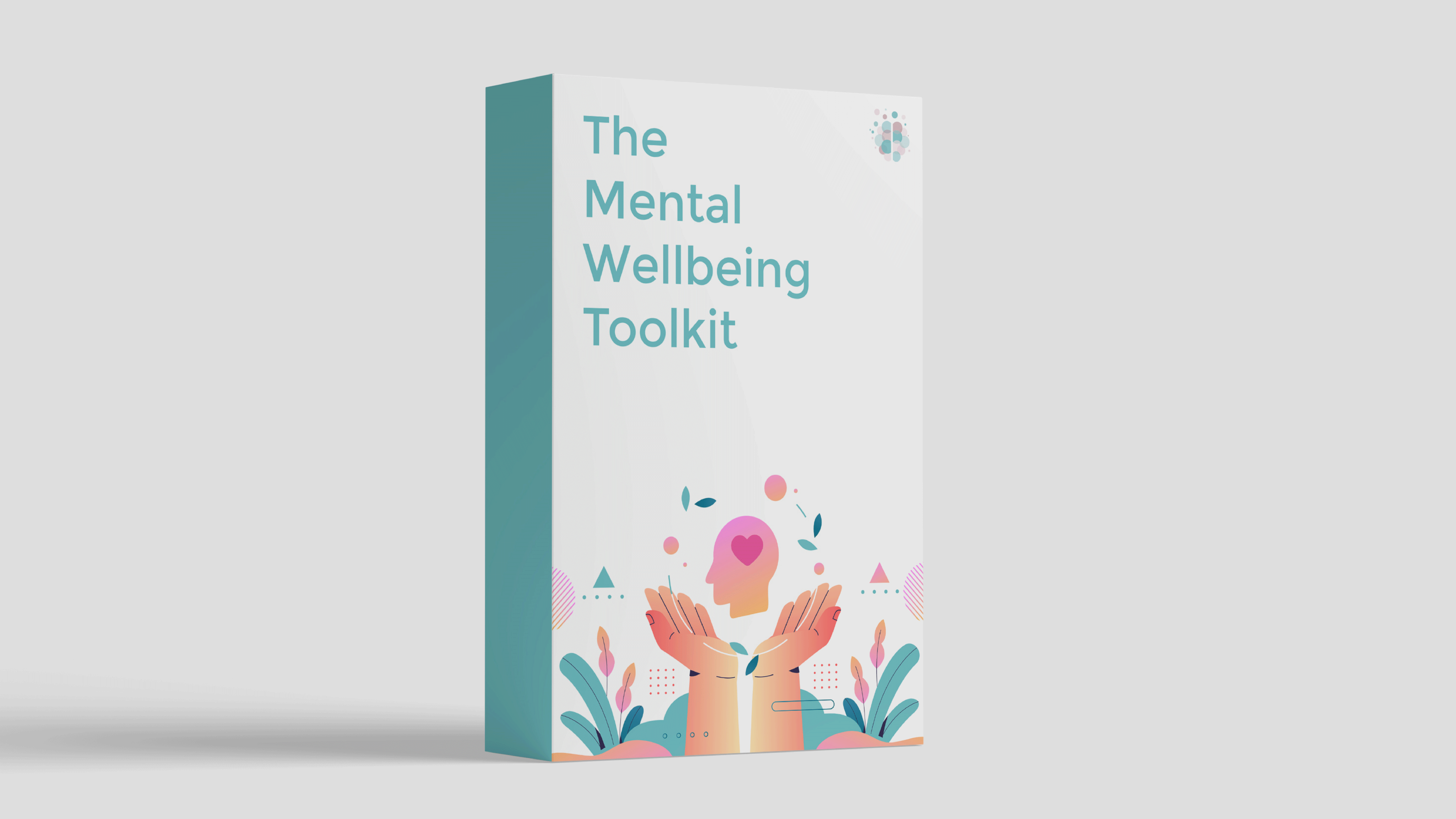
Our self-guided program includes tools from CBT, DBT, ACT and more, so you can discover what works best for you. Check out The Mental Wellbeing Toolkit today – it's "like 10 therapy sessions in one."



About Rebecca
Rebecca Marks is the founder of The Wellness Society, a social enterprise that has supported thousands on their journey to mental wellbeing.
Her tools have been shared by the NHS and featured by Mind, the UK’s leading mental health charity. She comes from a career in mental health charity management, facilitating peer support programs and co-producing initiatives with service users.
Learn more about our story on the About page.