
When we think about mental health, we often focus on stress, anxiety or trauma. But there’s another important piece of the puzzle that’s easy to miss: sleep quality – and more specifically, the presence of sleep disorders like sleep apnea. If you struggle with mood swings, anxiety, or persistent fatigue, the root cause might be hiding in your sleep cycle.
What Is Sleep Apnea?
Sleep apnea is a disorder in which your breathing repeatedly stops and starts during sleep. The most common form, obstructive sleep apnea (OSA), occurs when the muscles in the back of your throat relax too much, temporarily blocking your airway.
These pauses in breathing can happen dozens or even hundreds of times per night, disrupting your sleep and leaving your brain and body deprived of oxygen.
Signs of Sleep Apnea
Common symptoms of sleep apnea include:
- Loud snoring
- Gasping or choking during sleep
- Morning headaches
- Daytime fatigue or drowsiness
- Difficulty concentrating
- Mood changes or irritability
How to Get Tested
If you or someone close to you notices symptoms of sleep apnea, the first step is to talk to your doctor. Diagnosis typically involves a sleep study, which can be done in a sleep clinic or, in many cases, from the comfort of your own home using a take-home device.
During the test, your breathing, oxygen levels, heart rate, and brain activity are monitored to determine if (and how often) your breathing is interrupted during the night.
How Sleep Apnea Affects Mental Health
The connection between sleep apnea and mental health is strong and well-documented.
When your sleep is fragmented by breathing interruptions, your brain doesn’t get the deep, restorative rest it needs, and this can have serious emotional consequences.
Untreated sleep apnea has been linked to:
- Depression. People with OSA are significantly more likely to experience low mood, hopelessness, and loss of interest in life.
- Anxiety. Repeated oxygen drops and poor-quality sleep can lead to heightened nervous system activity, increasing anxiety and panic symptoms.
- Irritability and cognitive decline. Lack of deep sleep can impair memory, decision-making, and emotional regulation, making everyday life feel overwhelming.
Even more concerning: many people with sleep apnea are misdiagnosed with mood disorders before the sleep issue is discovered.
Treatment Options
The good news is that sleep apnea is treatable, and improving your breathing during sleep can have a powerful impact on your mental wellbeing. Here are some common treatment options.
Lifestyle Changes
In many cases, lifestyle factors contribute significantly to the severity of sleep apnea. Addressing these underlying issues can dramatically reduce symptoms and, in mild cases, even eliminate the need for medical devices.
- Weight management is especially important, as excess weight (particularly around the neck and throat) increases the risk of airway obstruction during sleep.
- Avoiding alcohol and sedatives can help keep airway muscles from relaxing too much at night.
- Sleeping on your side rather than your back may prevent the tongue and soft tissues from collapsing into the airway.
- Quitting smoking is also recommended, as smoking can increase inflammation and fluid retention in the airway.
These changes not only improve sleep quality but also support better mood, energy, and overall mental health – reinforcing the mind–body connection.
CPAP Therapy
Sleep apnea CPAP machines help thousands of people manage their condition successfully. CPAP therapy (Continuous Positive Airway Pressure) keeps the airways open throughout the night, supporting healthy sleep cycles and optimal oxygen levels.
Modern CPAP devices are more user-friendly than ever:
- They come with features like auto-adjusting pressure, humidification, and quiet operation.
- Comfort-focused mask designs address common concerns like claustrophobia and skin irritation, making regular use more sustainable.
Surgery
For some people, particularly those with anatomical issues contributing to airway blockage, surgery may be recommended. Surgical options aim to remove or reposition tissues that obstruct the airway, such as:
- Enlarged tonsils or adenoids
- Deviated septum
- Excess soft palate tissue
- Jaw misalignment
Procedures vary in complexity and recovery time, and are usually considered when other treatments haven’t been effective or are not well-tolerated.
While surgery is not the first-line treatment for most people, it can be life-changing for those with structural causes of severe sleep apnea.
Summary
Sleep apnea is more than just snoring. It’s a serious health issue with real mental health consequences. If you’re dealing with fatigue, anxiety, or low mood and haven’t looked into your sleep quality, it’s worth asking your doctor about a sleep study. Addressing sleep apnea may be the missing link in your mental wellbeing. Restoring your breath at night may be the first step toward restoring your peace of mind by day.
Helpful Tools
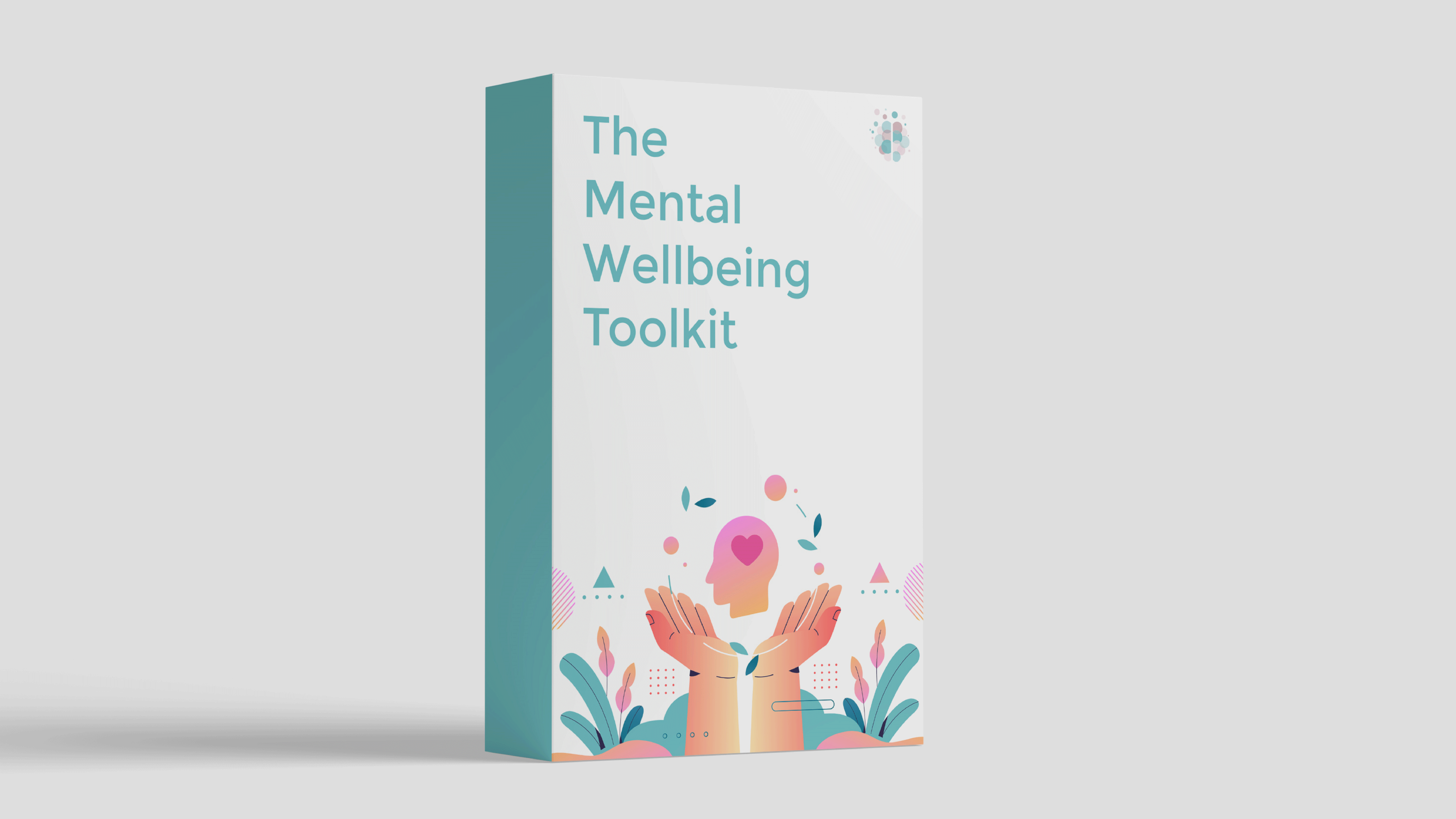
Our self-guided program includes tools from CBT, DBT, ACT and more, so you can discover what works best for you. Check out The Mental Wellbeing Toolkit today – it's "like 10 therapy sessions in one."



About Rebecca
Rebecca Marks is the founder of The Wellness Society, a social enterprise that has supported thousands on their journey to mental wellbeing.
Her tools have been shared by the NHS and featured by Mind, the UK’s leading mental health charity. She comes from a career in mental health charity management, facilitating peer support programs and co-producing initiatives with service users.
Learn more about our story on the About page.