
Money anxiety can linger even when you’re doing the responsible thing and putting cash aside. Making savings work harder can help by giving your financial cushion a clearer purpose, earning interest on money you already have, and creating a system that requires less day-to-day attention.
A surprise car repair, a higher-than-expected utility bill, or a week with fewer work hours can quickly turn an ordinary month into a stressful one. When savings are organized around real needs instead of sitting without a plan, those surprises can feel less threatening.
Understand What’s Causing Your Money Anxiety
Financial anxiety is not always caused by a lack of money – uncertainty can be just as stressful.
You might have savings but still worry because you don’t know how much is enough, what the money is for, or how quickly you could access it during an emergency.
Start by getting specific about the thoughts that keep returning. The problem may be an irregular income, fear of losing your job, an upcoming expense, or the possibility of an emergency wiping out your savings.
Turning a broad fear into a defined financial concern makes it easier to decide what action could help. Instead of thinking, "I never have enough money," you might realize that your real concern is having enough cash to cover your rent and essential bills if your income temporarily stops.
Make Your Cash Earn Interest
Building a savings habit takes effort, so the money you’ve accumulated shouldn’t be overlooked once it reaches your account. Interest can add to your balance without requiring you to continually increase the amount you deposit.
When searching for the highest interest savings account, compare annual percentage yields, fees, balance requirements, withdrawal options, and eligibility conditions. Pay attention to the full account terms rather than choosing an account based on the advertised rate alone.
For example, some accounts offer different interest rates depending on the balance or require customers to meet certain conditions to receive their highest advertised APY.
Rates can also change, so checking your account periodically can prevent your savings from quietly earning much less than you expected.
Automate What You Can
Saving can become stressful when it requires a new decision every payday. Automation removes some of that mental work and turns saving into part of your regular financial routine.
You could schedule a transfer shortly after each paycheck arrives or direct a portion of your income into savings. If your income changes from month to month, choose a modest automatic amount and make additional deposits during stronger months.
Give Your Savings a Job
A savings balance can feel abstract when every dollar sits in one large pool. Assigning purposes to your savings makes it easier to see what you’ve already prepared for and what still needs attention.
Your categories might include:
- An emergency fund
- Annual insurance premiums
- Home repairs
- Travel
- An upcoming move
You don’t necessarily need a separate bank account for every goal, but you should have a way to track how much money belongs to each one.
Prioritize the goals that would cause the most financial disruption if you had no cash available. A vacation can usually be postponed, while an urgent dental bill may demand immediate attention.
Build a Financial Safety Net
An emergency fund gives your savings a particularly valuable purpose. Instead of wondering how you’d handle every possible financial setback, you know that cash is already available for certain unexpected costs.
There’s no single emergency fund target that works for everyone. Consider your essential monthly expenses, income stability, household responsibilities, insurance coverage, and the kinds of unexpected costs you are most likely to encounter.
If a large target feels intimidating, start smaller. Saving enough to handle one common emergency can still make a meaningful difference.
Keep Emergency Savings Accessible
A high return is useful, but emergency money also needs to be available when an emergency actually happens. An account that makes your money difficult (or expensive) to access may not be suitable for funds intended to cover urgent expenses.
Think about how quickly you could transfer or withdraw the money, particularly outside normal banking hours. Keeping emergency savings separate from everyday spending can also make it less tempting to dip into the balance for routine purchases.
Check Where Your Money Is Held
Interest rates shouldn’t be the only factor you consider when choosing where to keep savings. You should also understand how your deposits are protected and confirm that you’re dealing with a legitimate financial institution.
For accounts at FDIC-insured banks in the U.S., the standard deposit insurance amount is generally $250,000 per depositor, per insured bank, for each account ownership category.
Security features matter too. Use a strong, unique password, turn on available account alerts, and regularly review transactions so suspicious activity can be spotted quickly.
Summary
Money anxiety can persist even when you’re saving responsibly, often because of uncertainty about unexpected expenses or income changes. To address this, key strategies include identifying the specific source of financial anxiety, choosing a savings account based on interest rates and account terms, automating regular deposits, and assigning savings to specific goals. Building an emergency fund is especially important, but the right target depends on individual expenses, income stability, and responsibilities. The goal is to turn savings from an abstract balance into an organized financial safety net that reduces uncertainty and stress. You’ve got this!
Helpful Tools
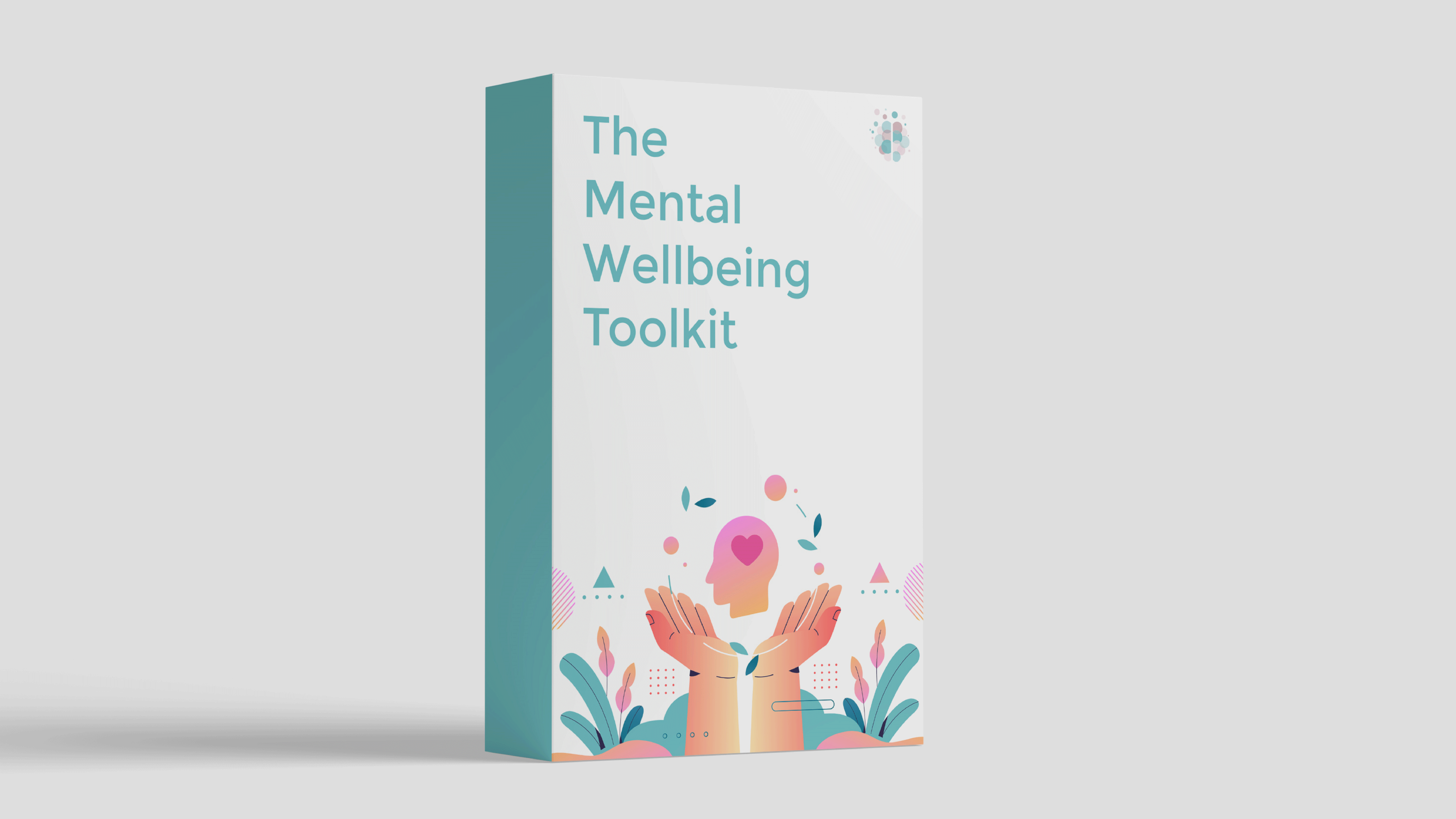
Our self-guided program includes tools from CBT, DBT, ACT and more, so you can discover what works best for you. Check out The Mental Wellbeing Toolkit today – it's "like 10 therapy sessions in one."


Author

About Rebecca
Rebecca Marks is the founder of The Wellness Society, a social enterprise that has supported thousands on their journey to mental wellbeing.
Her tools have been shared by the NHS and featured by Mind, the UK’s leading mental health charity. She comes from a career in mental health charity management, facilitating peer support programs and co-producing initiatives with service users.
Learn more about our story on the About page.