
When working toward greater mental wellbeing, many people find themselves at a crossroads: they need more support than traditional therapy offers but don’t require full inpatient care. This is where IOP, or Intensive Outpatient Programs, can play a vital role in a mental wellness journey.
What Is IOP?
A mental health IOP is a structured mental health treatment option designed for people who need a higher level of care than weekly therapy but still want to live at home and maintain aspects of their daily routine. Typically, you attend sessions several days a week for a few hours at a time. IOPs often include:
- Group therapy and psychoeducation
- Individual counselling
- Skills training (such as CBT, DBT, or mindfulness-based techniques)
- Relapse prevention and coping strategies
- Support for issues like anxiety, depression, or trauma
IOPs bridge the gap between inpatient care and traditional outpatient therapy, offering accountability, structure, and community without requiring full hospitalization.
When Is IOP Appropriate?
IOP can be an excellent option when:
- You need more structure and support than weekly therapy can provide.
- You’re transitioning from inpatient or residential treatment and want to maintain progress while reintegrating into daily life.
- You’re experiencing significant stress, anxiety, depression, or emotional instability that interferes with functioning but doesn’t require 24-hour supervision.
- You’re seeking a comprehensive approach that combines therapy, peer connection, and practical coping skills.
An IOP provides a contained environment for healing while still allowing space for independence and daily responsibilities.
When IOP May Not Be Appropriate
An IOP is not designed for crisis stabilization or situations where safety is a concern. It may not be appropriate if:
- You’re experiencing suicidal thoughts or self-harm behaviours that require constant monitoring.
- You’re struggling with severe substance withdrawal or medical instability.
- You need round-the-clock supervision or intensive medical management.
In such cases, a Partial Hospitalization Program (PHP) or inpatient program would likely be a better fit initially, followed by IOP as a step-down level of care.
PHP vs. IOP: What’s the Difference?
Both PHP (Partial Hospitalization Program) and IOP offer structured, multi-disciplinary treatment, but they differ in intensity and time commitment.
| Feature | PHP | IOP |
|---|---|---|
| Frequency | 5 days per week | 3–5 days per week |
| Daily Hours | 5–6 hours per day | 2–4 hours per day |
| Level of Structure | Highly structured | Moderately structured |
| Goal | Stabilization and intensive therapy | Continued progress and integration |
| Best For | Those needing close supervision after hospitalization | People ready for greater independence |
A common treatment path involves stepping down from inpatient, to PHP, IOP, and then outpatient therapy, reflecting a gradual return to self-management.
Integrating IOP Into a Broader Wellness Journey
IOP isn’t just about crisis recovery – it can be a powerful part of an ongoing wellness plan. People often use this period to:
- Develop lifelong coping tools
- Strengthen emotional regulation skills
- Build supportive relationships
- Reinforce healthy habits like sleep, nutrition, and mindfulness
- Create a roadmap for continued self-care and therapy after discharge
When integrated into a holistic approach (one that includes physical health, spirituality, creativity, and community), IOP can act as a bridge between healing and thriving.
Summary
A mental health IOP can be a transformative step on your mental wellness journey, offering structure without confinement, guidance without dependency, and healing within real life. Whether as a bridge from higher levels of care or as an intervention for ongoing emotional struggles, IOP can help you rebuild stability, purpose, and connection – key ingredients for lasting wellbeing.
Helpful Tools
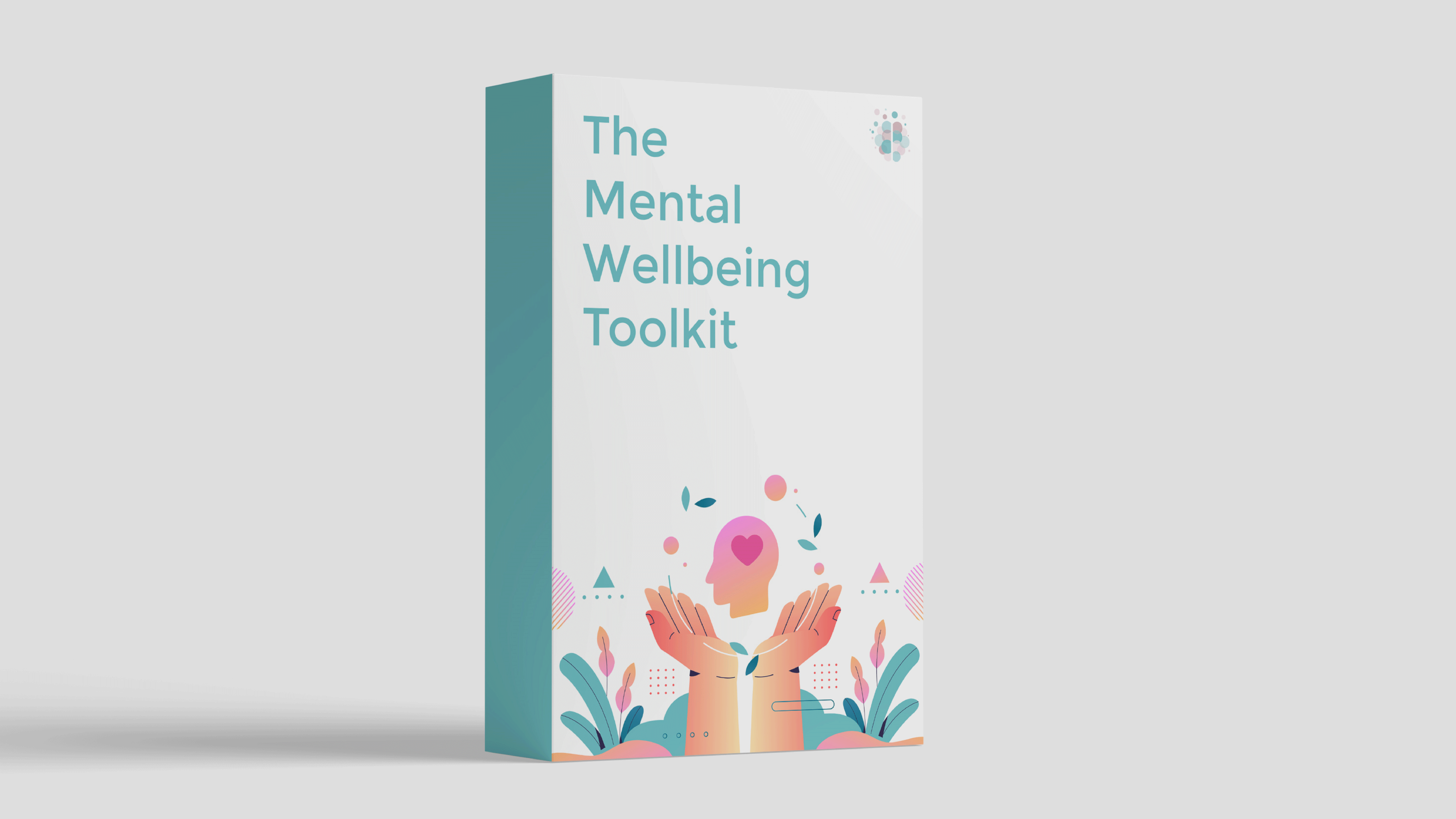
Our self-guided program includes tools from CBT, DBT, ACT and more, so you can discover what works best for you. Check out The Mental Wellbeing Toolkit today – it's "like 10 therapy sessions in one."



About Rebecca
Rebecca Marks is the founder of The Wellness Society, a social enterprise that has supported thousands on their journey to mental wellbeing.
Her tools have been shared by the NHS and featured by Mind, the UK’s leading mental health charity. She comes from a career in mental health charity management, facilitating peer support programs and co-producing initiatives with service users.
Learn more about our story on the About page.