
When someone you care about is struggling with addiction, you might feel helpless, frustrated, or overwhelmed. You want to help, but you're not sure how. You worry about saying the wrong thing, enabling destructive behaviour, or pushing them away when they need support most.
These feelings are completely normal, and recognising them is the first step toward becoming an effective source of support.
Recovery from substance use isn't a solitary journey. While the person in recovery must do the work themselves, the presence of supportive, informed loved ones can significantly impact their success.
Research consistently shows that social support is one of the strongest predictors of long-term recovery outcomes. But support doesn't mean fixing, rescuing, or controlling – it means creating an environment where healing becomes possible.
Your role as a family member or friend is unique and powerful. You're not a therapist, sponsor, or treatment provider, but you’re someone who cares deeply about this person's wellbeing. Understanding the boundaries of your role while maximizing your positive influence can make all the difference.
Educating Yourself About Addiction and Recovery
One of the most valuable things you can do is educate yourself about substance use.
Addiction isn't a moral failing or a lack of willpower. It's a complex condition that affects brain chemistry, decision-making, and behaviour. When you understand the neurological and psychological aspects of addiction, you're better equipped to respond with compassion rather than judgment.
Learn about the specific substance your loved one has been using. Different substances have different effects, withdrawal symptoms, and recovery timelines.
Understanding what they're experiencing mentally and physically helps you set realistic expectations. For example, someone recovering from opioid addiction faces different challenges than someone recovering from alcohol dependence (though both journeys are equally valid and difficult).
Familiarize yourself with the continuum of care available. Recovery often involves multiple levels of treatment, from medical detoxification through residential programs, outpatient services, and long-term aftercare.
Recovery treatment centres address the full spectrum of recovery needs, and comprehensive care supports lasting change. Understanding these different levels helps you appreciate the process your loved one is going through.
Attend family education sessions or support groups designed for loved ones of people in recovery. Programs like Al-Anon, Nar-Anon, and family therapy sessions provide invaluable insights into addiction dynamics, codependency patterns, and healthy communication strategies.
Setting Healthy Boundaries Without Abandoning Support
Boundaries are essential for both your wellbeing and your loved one's recovery.
Many family members struggle with this concept because they confuse boundaries with punishment or abandonment. In reality, boundaries are expressions of love and self-respect that create healthier relationship dynamics.
Start by identifying what behaviours you will and won't accept. You might decide you won't:
- Provide money that could be used for substances
- Lie to cover up their addiction
- Allow substance use in your home
These boundaries protect you from enabling while still leaving room for emotional support. The key is communicating these boundaries clearly, calmly, and consistently.
When setting boundaries, focus on your own actions rather than trying to control theirs. Instead of saying "You need to stop using," try "I won't be able to spend time with you when you're under the influence, but I'm here for you when you're ready to talk about treatment."
Remember that holding firm boundaries often feels uncomfortable at first, especially if you've historically been a rescuer or fixer in the relationship.
Boundaries also apply to your own self-care. You can't pour from an empty cup. Give yourself permission to take breaks, pursue your own interests, and maintain relationships outside of this caregiving role.
Your loved one's recovery shouldn't consume your entire identity. In fact, modelling healthy self-care demonstrates the balanced lifestyle you hope they'll eventually embrace.
Communicating Effectively During Difficult Conversations
How you communicate can either open doors or build walls.
When talking with someone about their substance use, timing, tone, and word choice matter enormously. Avoid confronting them when they're under the influence. These conversations rarely go well and often escalate into arguments that damage trust.
Choose moments when they're sober and relatively calm. Express your concerns using "I" statements that focus on your observations and feelings rather than accusations. For example, "I feel worried when I see you isolating yourself" is more effective than "You're being selfish and ruining your life." The first approach invites dialogue; the second triggers defensiveness.
Also, listen more than you talk. People struggling with addiction often feel misunderstood and judged. When you create space for them to share their experiences without interruption, you build trust. Reflect back what you hear to show you're truly listening: "It sounds like you're feeling overwhelmed and using substances to cope. Is that right?"
Avoid ultimatums unless you're genuinely prepared to follow through. Empty threats erode your credibility and teach your loved one that your words don't match your actions. If you say "Get treatment or I'm leaving," be certain you're ready to take that step. Otherwise, you're just creating more chaos in an already unstable situation.
Recognise that resistance is normal. Most people don't enthusiastically embrace the idea that they need help. They may deny the problem, minimise its severity, or promise to quit on their own. Don't take this resistance personally or give up after one conversation.
Change happens gradually, often after multiple discussions and sometimes only after hitting a personal bottom.
Supporting Them Through Treatment and Early Recovery
If your loved one enters treatment, your support role shifts but remains crucial.
Respect the rules of their treatment program, even if you don't fully understand or agree with them. Treatment providers design these guidelines based on what works, and undermining them – however well-intentioned – can sabotage recovery.
Many treatment centers include family therapy. These sessions can help you heal from the trauma of loving someone with addiction and teach you how to support recovery effectively. Take these opportunities seriously and engage fully.
When they transition out of intensive treatment, the real work often begins. Early recovery is a vulnerable time filled with triggers, cravings, and the challenge of rebuilding a life without substances.
Your support during this phase can be especially meaningful. Help them create structure by encouraging routine, celebrating small victories, and being present without being intrusive.
Understand that relapse is often part of the recovery process, not a sign of failure.
If it happens, respond with concern rather than anger. Ask what they learned from the experience and what support they need to get back on track. Shame and punishment drive people back to substances; compassion and accountability help them move forward.
Encourage their involvement in recovery support groups like Alcoholics Anonymous, Narcotics Anonymous, SMART Recovery, or other peer support communities. These groups provide ongoing connection with others who understand the journey firsthand.
Offer to drive them to meetings, help them find local groups, or simply ask how their meetings are going.
Recognising Codependency Patterns
Codependency develops when you become so focused on someone else's problems that you neglect your own needs and identity.
It's an understandable response to loving someone with addiction, but it's ultimately unhealthy for everyone involved. Recognising codependent patterns in yourself is crucial for providing effective support.
Common signs of codependency include:
- Making excuses for their behaviour
- Taking on their responsibilities
- Feeling responsible for their recovery
- Neglecting your own needs
- Walking on eggshells to avoid conflict
- Deriving your self-worth from their progress
If you find yourself constantly trying to control or fix their situation, you've likely crossed into codependency.
Taking Care of Your Own Mental Wellbeing
Supporting someone through recovery takes an emotional toll. You experience a rollercoaster of hope and disappointment, fear and relief, anger and love.
These intense emotions are exhausting, and if you don't prioritise your own mental health, you'll become less effective as a support person.
Consider working with your own therapist. A therapist can help you navigate complex emotions, develop coping strategies, and maintain perspective when situations feel overwhelming.
Maintain connections with friends and family members who aren't involved in this situation. It's easy to become isolated when you're focused on someone else's crisis, but maintaining your social network provides essential emotional support and reminds you that life exists beyond addiction.
Make time for activities you enjoy, hobbies that bring you peace, and relationships that nourish you.
Practice stress-management techniques that work for you. This might include exercise, meditation, journaling, or spiritual practices. Regular stress relief is a necessity when you're dealing with the ongoing stress of supporting someone in recovery. Find what helps you decompress and make it a non-negotiable part of your routine.
Be patient with yourself.
You'll make mistakes, lose your temper, and respond in ways you later regret. That's human. What matters is learning from these moments. Self-compassion is just as important as the compassion you extend to your loved one. Treat yourself with the same kindness and understanding you're trying to offer them.
Celebrating Progress
Notice and acknowledge the positive changes, no matter how minor they seem. Showing up to an appointment, being honest about a struggle, or reaching out for support instead of using – these are all significant accomplishments worth recognising.
Celebrate recovery milestones in ways that are meaningful to your loved one. Some people appreciate public recognition; others prefer private acknowledgment. Ask what would feel supportive to them.
Understand that recovery is a lifelong journey, not a destination. Even after years of sobriety, your loved one will need ongoing support. Continue showing interest in their recovery, asking how they're doing, and being present in their life. Long-term recovery requires sustained effort, and knowing they have people who care makes that effort more sustainable.
Summary
Supporting a loved one through recovery is one of the most challenging things you'll ever do, but it's also an opportunity to demonstrate unconditional love, learn about resilience, and witness the incredible transformation that's possible when someone reclaims their life from addiction.
Your presence, patience, and informed support matter more than you know. By taking care of yourself, setting healthy boundaries, and staying educated about recovery, you become a powerful force for healing for your loved one, yourself, and your entire family system.
Helpful Tools
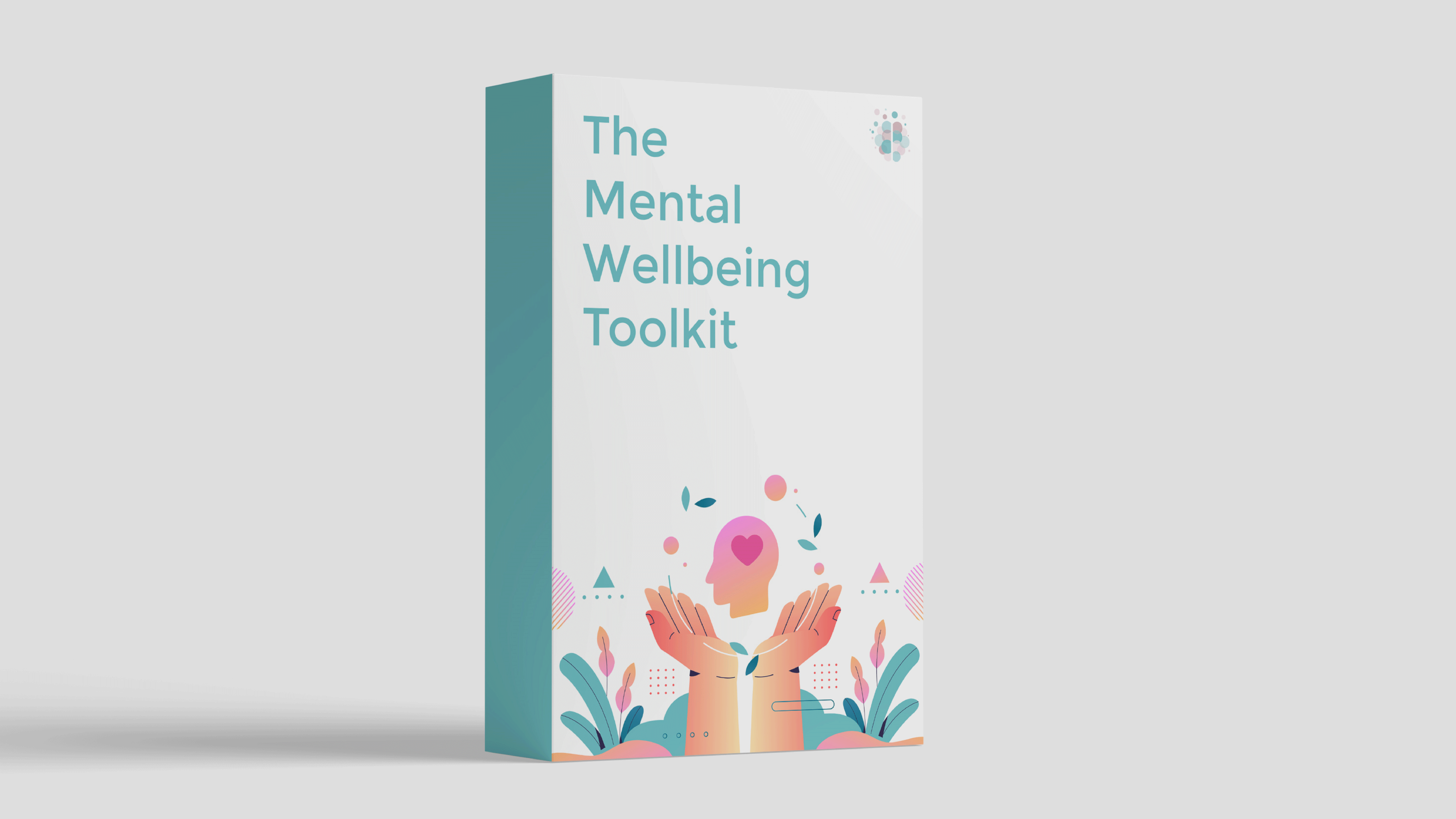
Our self-guided program includes tools from CBT, DBT, ACT and more, so you can discover what works best for you. Check out The Mental Wellbeing Toolkit today – it's "like 10 therapy sessions in one."



About Rebecca
Rebecca Marks is the founder of The Wellness Society, a social enterprise that has supported thousands on their journey to mental wellbeing.
Her tools have been shared by the NHS and featured by Mind, the UK’s leading mental health charity. She comes from a career in mental health charity management, facilitating peer support programs and co-producing initiatives with service users.
Learn more about our story on the About page.