
How often do you slow down?
Most people live in a world that rarely pauses.
Notifications ping. News cycles constantly refresh. Productivity is worn like a badge of honour. While technology has brought undeniable benefits, it’s also created an environment of constant stimulation.
Many of us now move through our days in a low-level state of urgency – mentally juggling tasks, scrolling our phones, and struggling to switch off.
This overstimulation has real implications for our mental wellbeing. When your nervous system is repeatedly pushed into a heightened state of alertness, it can lead to chronic stress, anxiety, irritability, poor sleep, and even burnout. Over time, your body may forget what it feels like to be calm.
The antidote to this is doing less, more intentionally.
Slowing down and embracing self-care can help regulate your nervous system, creating space for clarity and calm. Keep reading to discover seven practical ways to reconnect with a steadier pace of life.
1. Add Tech-Free Windows to Your Day
A study by Sara Thomée and colleagues examined the link between mobile phone use and mental health among young adults. They tracked over 4,000 people over one year to assess if frequent calling, texting, or constant accessibility led to increased stress, sleep problems, and depression.
The results indicate that high-frequency use and a perceived pressure to be constantly available are significant risk factors for psychological distress in both men and women.
To mitigate these effects, we can start setting healthy boundaries around our digital availability.
Even a few minutes of scrolling can flood your brain with information, comparison, and emotional triggers. So, feel free to start small. Designate short periods where you intentionally step away from your phone. When might a phone break work best for you?
- Upon waking?
- During breakfast?
- An hour before bed?
Embrace tech-free windows and give your brain a chance to rest and reset.
2. Slow Down Everyday Activities
You don’t need to overhaul your entire routine to slow down. Instead, bring more intention to what you’re already doing.
Walk without rushing. Shower without mentally rehearsing your to-do list. Practice being truly present in your relationships.
By engaging fully in simple, everyday activities, you shift your nervous system out of “doing mode” and into “being mode,” which naturally promotes calm.
3. Build a Calming Evening Routine
Studies on sleep quality reveal a striking (and worrying) trend: many people struggle to get consistent, restorative sleep.
How you end your day has a significant impact on your nervous system and sleep quality.
Instead of going straight from screens to bed, create a self-care infused wind-down routine that gently signals to your body that it’s time to slow down.
You could light a candle, do some gentle stretches, read, or listen to a calming bedtime playlist.
If body lotions are up your street, soothing CBD oils are a relatively new addition to the self-care space, with early research suggesting they may offer benefits for skin health and inflammation due to CBD’s interaction with the body’s endocannabinoid system.
Taking a few moments to massage your hands, arms, or feet can be surprisingly grounding. The combination of touch and scent helps activate your body’s relaxation response.
Consistency is key. Repeating the same calming steps each evening helps condition your mind and body to recognise these cues, making it easier to transition into restful, restorative sleep.
4. Slow Down Your Breathing
Your breath is one of the quickest ways to influence your nervous system.
When you’re overstimulated, your breathing often becomes shallow and rapid. By consciously slowing and deepening your breath, you signal safety to your body.
There are plenty of different breathing exercises to try out. Experiment and discover which one works best for you.
Again, consistency is key. Try anchoring a short breathing exercise to an existing part of your day. For example, pausing to take a few slow breaths as you head out for your lunch break.
5. Embrace Ecotherapy
Nature has a naturally regulating effect on the nervous system.
Whether it’s a walk in the park, sitting by a river, or simply noticing the sky, being outdoors helps shift your attention away from internal chatter.
Even brief, consistent exposure to nature can improve mood, reduce stress, and enhance overall wellbeing.
If you’d like to spend more time in nature, be sure to check out our free Ecotherapy Workbook for plenty of inspiration.
6. Focus on Low-Stimulation Hobbies
Hobbies linked to self-care tend to share one thing in common: they help regulate your nervous system – either by calming it down, creating a sense of enjoyment, or allowing emotional expression.
Research consistently groups self-care hobbies into a few key categories, such as:
Restorative Hobbies
These are most strongly associated with reducing stress and anxiety:
- Reading
- Journaling
- Knitting, crochet, or other repetitive crafts
- Colouring (we offer some free booklets)
- Listening to music
- Gentle yoga or stretching
These activities promote a slower pace and can help shift the body into a relaxed state.
Creative Expression
Creative hobbies are often tied to emotional processing and wellbeing. For example:
- Painting or sketching
- Writing
- Photography
They help process emotions and create a sense of flow.
Gentle Physical Activities
Movement can be self-care when it’s not overly intense:
- Walking
- Swimming
- Dancing
- Pilates
These support both physical and mental regulation. Interestingly, research suggests it’s not just what you do, but how you do it:
- Activities feel like self-care when they’re chosen freely (not forced)
- They’re enjoyable or meaningful
- They allow you to feel present rather than rushed
7. Embrace “Doing Nothing”
In a culture that values productivity so much, doing nothing can feel uncomfortable. But moments of stillness are essential for emotional regulation. If you’re interested in spirituality, stillness is also a key practice for connecting to something beyond the constant noise of everyday life.
So, sit quietly. Stare out the window. Notice your mind wandering without trying to control it.
These pauses will feel unfamiliar at first, but over time they can become deeply restorative.
If you’re a frequent social-media-scroller, your brain will have become accustomed to frequent rewards and novelty. Slowing down requires retraining it to tolerate lower levels of stimulation without restlessness.
Summary
Embracing self-care and reducing unnecessary stimulation can give your mind and body the chance to rest and reset.
These changes don’t have to be dramatic. Small, consistent shifts – like taking a mindful breath, stepping away from your phone, or adopting a wind-down routine – can have a significant impact over time.
You might already be familiar with these tips, and the real question is how to turn awareness into action – how to bridge the gap between understanding what’s good for you and actually making it a habit.
Behaviour change isn’t automatic; it requires intentional strategies such as creating small, manageable steps, linking new habits to existing routines, and building reminders that support consistency. By focusing on practical systems rather than just information, you can move from knowing what to do to changing your lifestyle for the long-term.
Get Practical Tools for Long-Term Behaviour Change
Want to bridge the gap between knowing what to do and putting the systems in place to make it happen?
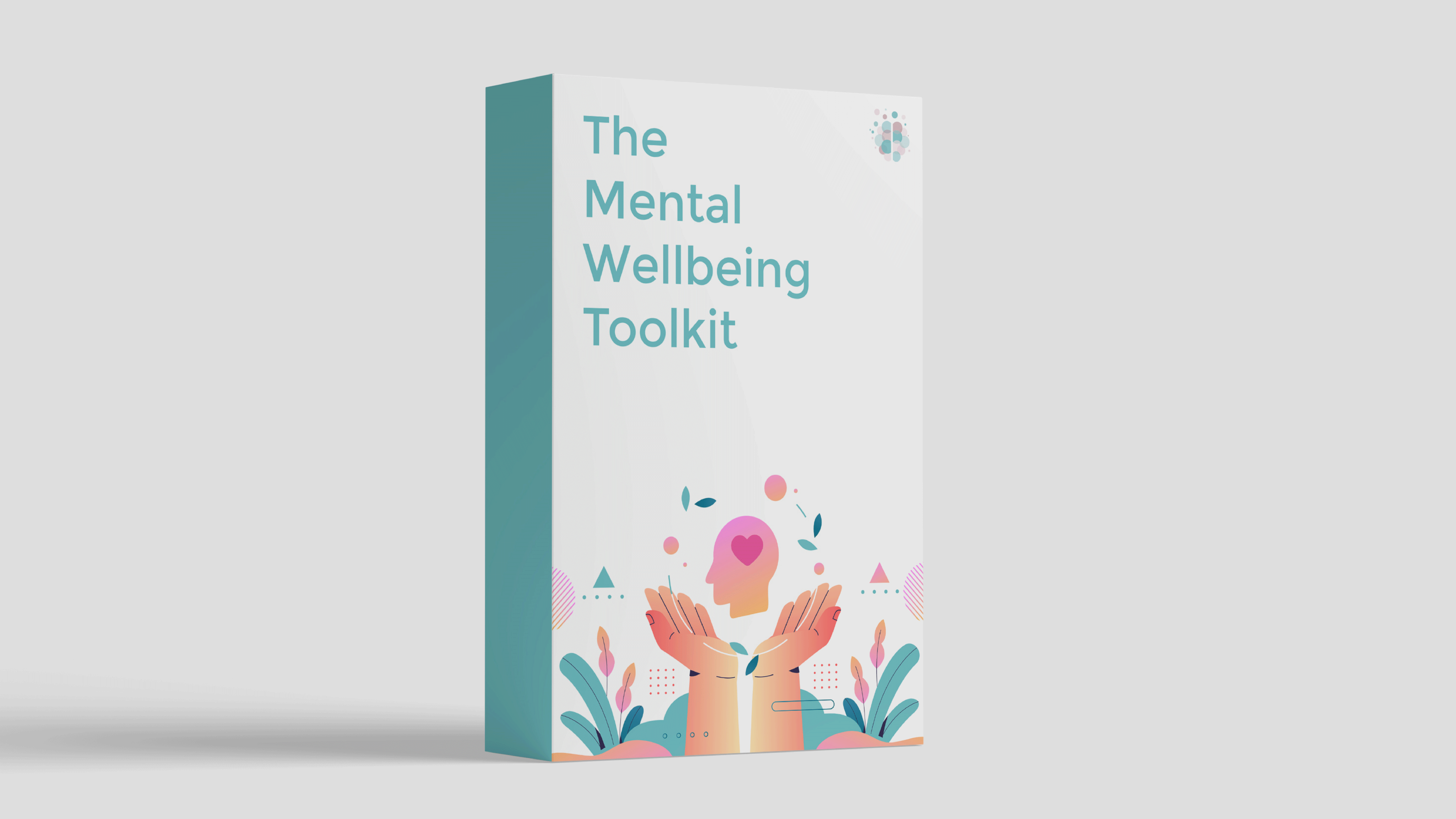
Invest in your wellbeing with The Mental Wellbeing Toolkit today.

About Rebecca
Rebecca Marks is the founder of The Wellness Society, a social enterprise that has supported thousands on their journey to mental wellbeing.
Her tools have been shared by the NHS and featured by Mind, the UK’s leading mental health charity. She comes from a career in mental health charity management, facilitating peer support programs and co-producing initiatives with service users.
Learn more about our story on the About page.