
Do you struggle with sharing your feelings? You might worry you’ll say the wrong thing, get judged, or open a door you can’t close. You’re not alone. Many people struggle with opening up about their emotions.
Keep reading to learn more about effective emotional expression – what it is, why it can feel uncomfortable, and how to practice it in small ways that feel doable.
What Is Emotional Expression?
Emotional expression is the way we show what we feel, internally and outwardly.
Sometimes it’s direct (“I’m hurt by what happened”).
Sometimes it’s subtle (a change in tone, a tight jaw, avoiding eye contact).
Sometimes it’s nonverbal, like crying, laughing, or needing space.
It isn’t one-size-fits-all. Culture and upbringing shape what feels “appropriate,” what feels dangerous, and what feels loving.
Some communities value calm restraint; others value open sharing. Neither automatically means “healthy” or “unhealthy”. Context matters.
Example Cultural Differences in Emotional Expression
- United States. Open emotional expression is often encouraged, especially in therapeutic and workplace settings. Naming feelings is linked to emotional intelligence.
- United Kingdom. Emotional understatement is common. Composure and subtlety are valued; care is often shown through practical action rather than explicit emotional language.
- Japan. Harmony and social cohesion are prioritised. Emotions may be expressed indirectly to avoid confrontation or disrupting group balance.
- Italy and Greece. Greater everyday expressiveness is culturally accepted. Animated conversation and visible emotion can signal warmth and engagement rather than conflict.
Why Expressing Feelings Matters
When feelings stay unspoken, they don’t disappear. Emotions are physiological events as much as psychological ones. They move through the nervous system. If they’re not acknowledged, they tend to seek expression indirectly.
Unexpressed anger can show up as sarcasm.
Unspoken hurt can turn into quiet resentment.
Unvoiced anxiety may become control, over-planning, or people-pleasing.
In other words, what isn’t communicated clearly is often communicated unconsciously.
Expressing feelings (even briefly and imperfectly) interrupts this pattern. It shifts us from reactive behaviour to intentional relating. Instead of someone having to guess why we’re distant, we give them accurate information about our internal world.
This matters for several reasons:
- It reduces misinterpretation. When emotions are hidden, others fill in the blanks. They may assume we’re angry when we’re actually overwhelmed, or disinterested when we’re actually anxious.
- It lowers physiological stress. Research in emotional processing (including work by psychologists like James Pennebaker) shows that putting feelings into words can reduce stress responses and improve wellbeing. Naming emotions helps regulate them.
- It builds relational safety. When we share feelings in a measured way (“I felt a bit hurt earlier” instead of “You always…”), we model openness without blame. Over time, this builds trust.
- It strengthens self-awareness. The act of expressing a feeling requires identifying it first. “What am I actually feeling?” increases your emotional literacy.
Common Barriers That Make Sharing Feelings Feel Hard
People struggle with emotional expression for lots of understandable reasons:
- You weren’t taught the language. If emotions weren’t talked about growing up, you may have learned to stay quiet.
- You learned it wasn’t safe. If past sharing was met with criticism, dismissal, or conflict, your nervous system may treat openness as a threat (common in experiences of childhood emotional neglect).
- You’re protecting someone else. Many adults minimize feelings to avoid “burdening” people, especially in caregiving roles.
- You’re afraid of being misunderstood. You might worry that one honest sentence will be taken as a full verdict on the relationship.
None of these patterns mean you’re incapable of openness. They simply reflect strategies that once helped you feel safe.
Healthy Ways to Express Your Emotions in Everyday Life
Expressing feelings can be small and simple:
“I’m feeling a bit overwhelmed today.”
“That comment caught me off guard.”
“I need a bit of reassurance right now.”
These small disclosures prevent emotional build-up and allow relationships to be based on reality rather than assumption.
Here are a few general approaches many people find workable:
- Write first, speak second. Journaling can help you find your words and understand more about how you’re actually feeling.
- Use “I” language. Remember: “I felt embarrassed when…” lands differently than “You always…”
- Get specific about the feeling and the need. “I’m anxious and I need reassurance” is clearer than “I’m fine.”
- Match the moment. Hard conversations usually go better when neither person is rushed, distracted, or already escalated.
- Name what you’re trying to do. “I’m not blaming you. I’m trying to explain what’s happening for me.”
With practice, expression of emotions can feel less like a personality trait and more like a skill you’re building.
Helpful vs. Unhelpful Emotional Expression
Sometimes the difference isn’t whether you express feelings – it’s how and when.
Helpful patterns often look like:
- Naming your feeling clearly and specifically (“I felt overlooked,” rather than “Whatever.”)
- Regulating first, then responding
- Acknowledging impact without attacking
- Repairing after missteps (“I didn’t say that well. Can I try again?”)
- Staying curious about the other person’s perspective
- Taking breaks when emotions spike
Unhelpful patterns often look like:
- Hinting and hoping (expecting someone to “just know”)
- Shutting down (silence that leaves others guessing)
- Exploding (big emotion with no boundaries)
- Performing calm while feeling resentful underneath
- Bringing up old grievances during new conflicts
- Speaking in absolutes (“You always…” / “You never…”)
Summary
Many adults believe they’re “bad at feelings,” when the truth is usually simpler: they learned strategies that helped them survive earlier chapters, and those strategies don’t fit as well now. The good news is change is always possible.
Healthy emotional expression tends to be specific, respectful, and timed well. Unhealthy patterns usually show up as shutting down, exploding, or sending mixed signals. Like any communication skill, this improves with practice, support, and repair when things don’t go smoothly. It strengthens through small risks taken consistently, through learning to regulate before speaking, and through repair when things don’t go smoothly.
Change doesn’t require becoming a completely different person. It requires awareness, willingness, and repetition. Over time, expressing feelings becomes less about threat and more about connection. You’ve got this!
Explore Our Free Tools Library
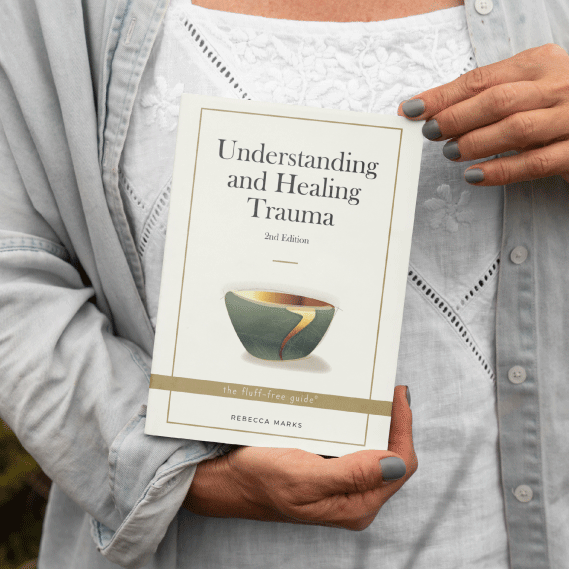
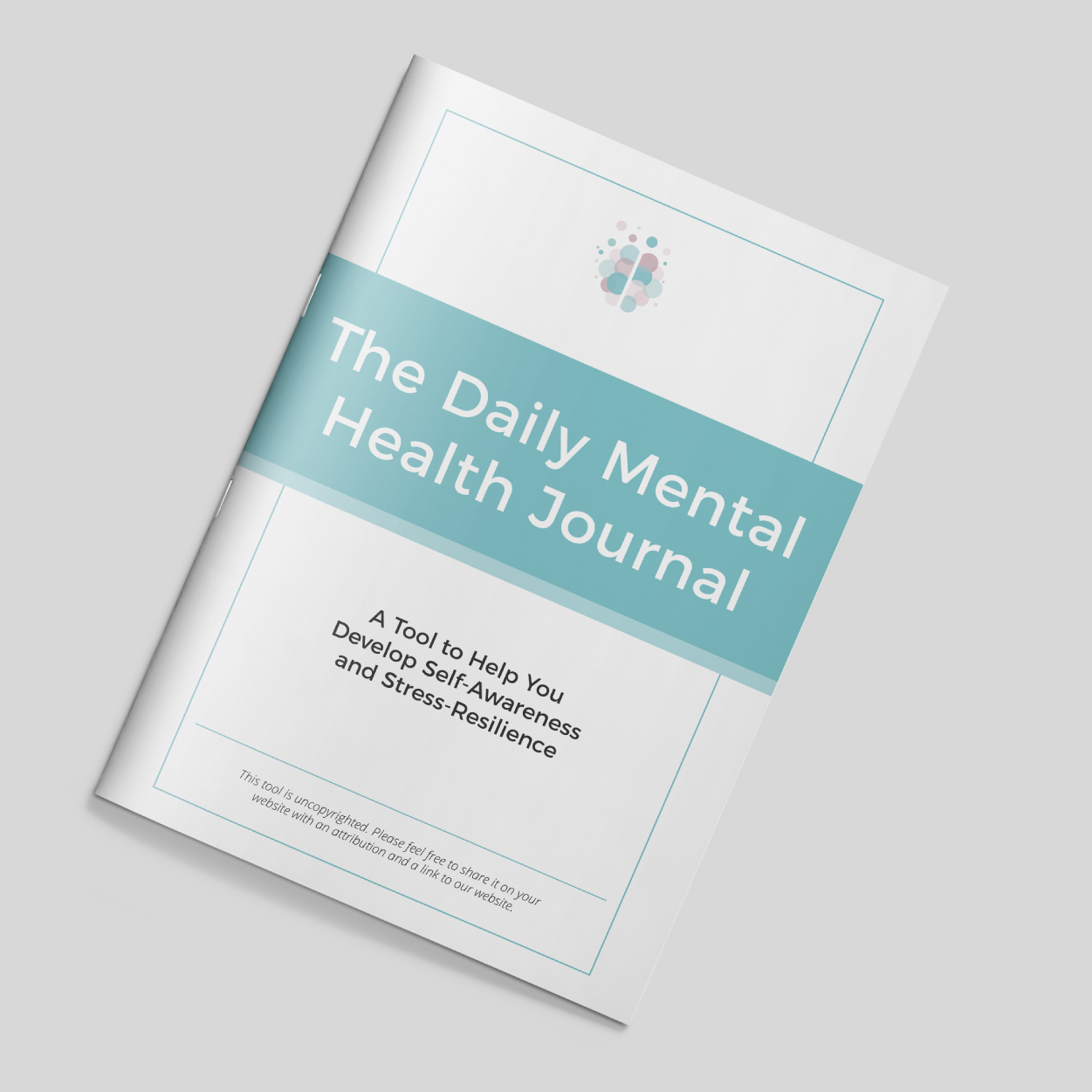
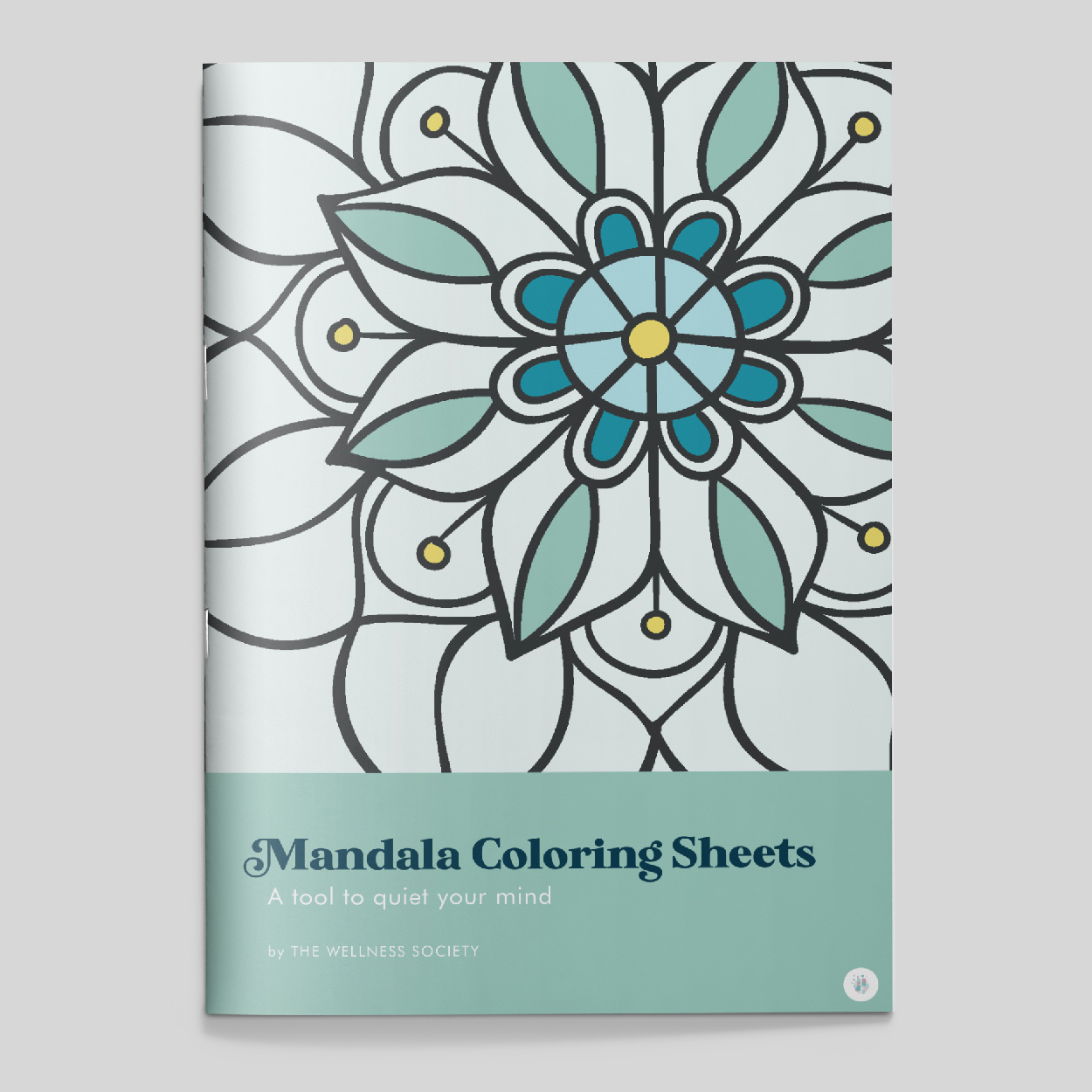
New to our website? At The Wellness Society, we create practical, integrative mental health and wellbeing tools.
Get instant access to a wide variety of resources designed to support your wellbeing or the wellbeing of others in our Free Tools Library today.



About Rebecca
Rebecca Marks is the founder of The Wellness Society, a social enterprise that has supported thousands on their journey to mental wellbeing.
Her tools have been shared by the NHS and featured by Mind, the UK’s leading mental health charity. She comes from a career in mental health charity management, facilitating peer support programs and co-producing initiatives with service users.
Learn more about our story on the About page.