
Facing spine surgery can feel overwhelming. It’s a big step, not just physically, but mentally. Many clients wrestle with fear, anxiety, and questions about what lies ahead. Preparing them mentally is not just helpful – it’s crucial. Expectation setting, goal planning, and anxiety management make the process smoother. Keep reading to discover practical tips to equip clients for this significant life event.
Setting Realistic Expectations
Clients often enter spine surgery with fears fuelled by misinformation. Start by clarifying what the procedure aims to achieve. For example, explain that when nerve compression continues despite conservative care, a discectomy becomes necessary to relieve pressure and improve function.
Discuss the expected recovery timeline, potential limitations, and what success realistically looks like. Avoid overpromising or underestimating challenges. When clients know what to expect, they feel less blindsided. This fosters trust and helps reduce fear or unrealistic hopes about surgery outcomes.
Teaching Anxiety Management Skills
Understanding the surgical process sets the stage for tackling emotional hurdles. Anxiety is common before spine surgery, so equipping clients with calming techniques is key. Teach simple skills like deep breathing, progressive muscle relaxation, or guided imagery to manage stress and anxiety.
Encourage regular practice of these tools leading up to surgery. When clients have strategies to regulate their emotions, they feel more in control, which helps them cultivate resilience throughout the surgical journey.
Addressing Fear-Avoidance Behaviours
Teaching anxiety-management skills often uncovers deeper fears about pain or movement. Addressing fear-avoidant behaviours, where clients avoid activity to prevent pain, is critical. Reassure them that staying active within safe limits supports recovery and reduces long-term complications.
Discuss how avoiding movement can sometimes worsen stiffness or delay healing, emphasising the importance of staying engaged with physical activity as recommended. Highlight how balancing movement and rest prepares the body for surgery and enhances outcomes, leaving clients better equipped to regain function post-surgery.
Focusing on Values-Based Goals
Conversations about fear-avoidance naturally lead to discussing what truly motivates clients. Explore values-based goals that matter to them, like returning to hobbies, caring for loved ones, or regaining independence. Why not use our free Values Worksheets?
Setting meaningful goals helps clients focus on recovery rather than pain. Collaborate to create achievable, step-by-step objectives that align with their priorities. When clients feel connected to their personal "why," they approach surgery with purpose, promoting optimism during the recovery process.
Creating a Communication Plan
To wrap up preparation, ensure clients feel supported through a clear communication plan. Encourage them to share their concerns and ask questions with their care team before surgery.
Reinforce the importance of updating their care team on any changes in symptoms or mental wellbeing. Suggest appointing a trusted friend or family member as a communication partner to help advocate and stay organised. Open, consistent communication builds confidence, helps clients feel heard, and ensures they remain informed every step of the way.
Summary
Preparing for spine surgery is as much about mindset as it is about physical readiness. Each client’s journey is unique, and small, intentional steps can make a big difference. Empower clients with knowledge, strategies, and meaningful goals, helping them approach surgery with less fear and anxiety.
Helpful Tools
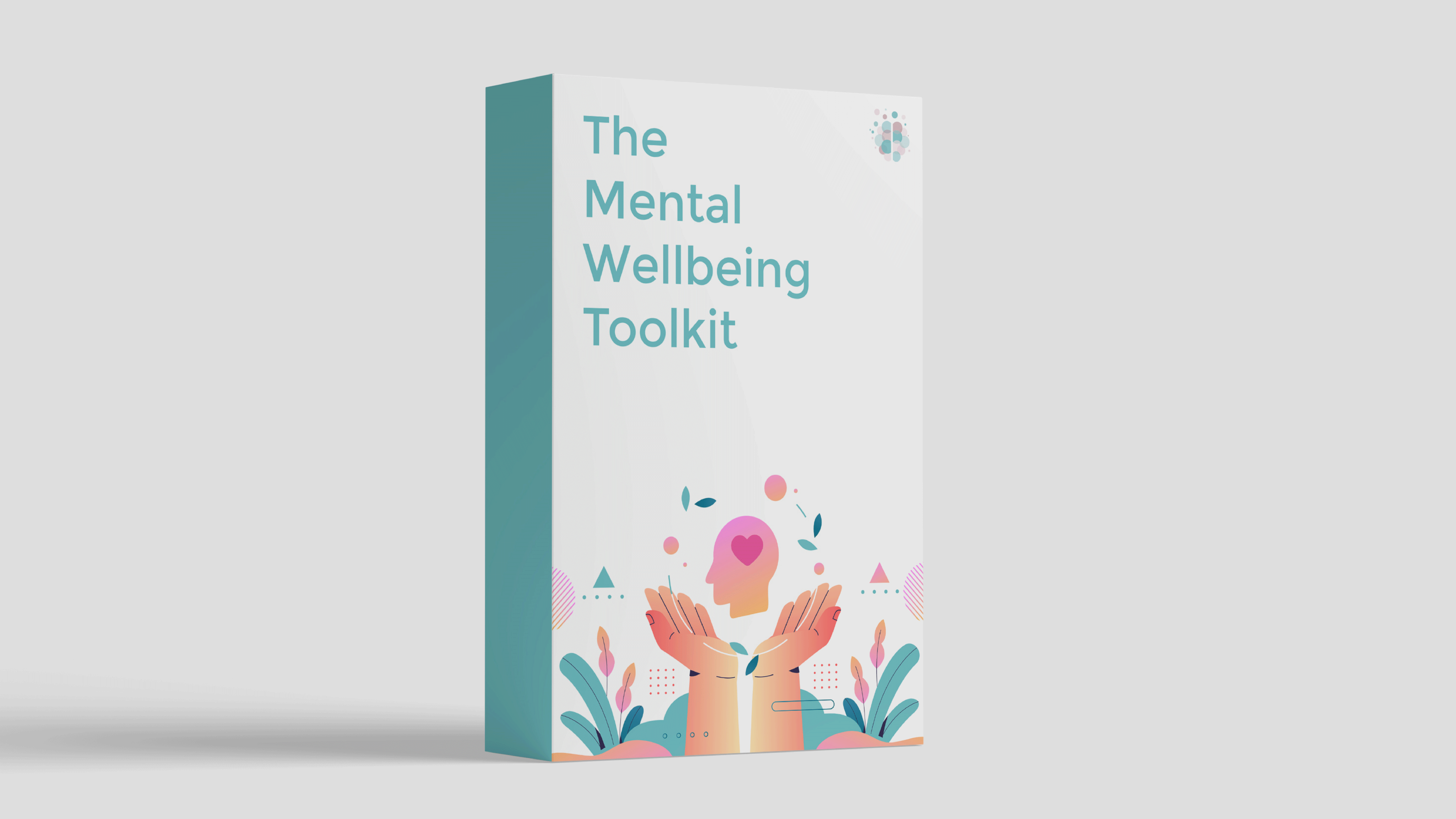
Our self-guided program includes tools from CBT, DBT, ACT and more, so you can discover what works best for you. Check out The Mental Wellbeing Toolkit today – it's "like 10 therapy sessions in one."



About Rebecca
Rebecca Marks is the founder of The Wellness Society, a social enterprise that has supported thousands on their journey to mental wellbeing.
Her tools have been shared by the NHS and featured by Mind, the UK’s leading mental health charity. She comes from a career in mental health charity management, facilitating peer support programs and co-producing initiatives with service users.
Learn more about our story on the About page.