
You love them. That’s why you pick up the phone at 2am, lend them money (again), and cover for them at work. You pretend not to notice when something feels... off. Because that’s what love does, right? It shows up. Helps. Protects. But sometimes, love without boundaries becomes something else entirely. Sometimes, family support can become enabling, and by the time you see it clearly, you’re already deep in a pattern that’s hard to break.
When Helping Turns Into Hiding
It’s not easy to admit. But if you’ve been in a relationship (as a parent, child, sibling, partner, close friend) with someone who struggles with addiction, you know the instinct to protect is powerful.
And yet… sometimes helping is actually hiding.
Hiding the consequences. Hiding the truth. Even hiding your own needs.
And the longer that goes on, the harder it becomes to tell the difference between care and control, empathy and enabling.
Why Family Support Can Become Enabling
Addiction isn’t isolated. It doesn’t affect just one person. It changes the emotional climate of entire families – often in ways they don’t fully understand.
One person’s struggle can rearrange everyone else’s role, meaning a:
- Child might become the peacekeeper, managing the moods of a volatile parent
- Partner starts absorbing every relapse as a personal failure
- Sibling fades into the background to avoid making waves
... all in the name of keeping the structure and peace.
But over time, these changes become deeply ingrained. So even after the worst of the crisis passes, the dynamics often stay the same.
Why External Support Matters
It’s impossible to see things objectively when you’re close to the person in pain. You rationalize. Overextend. Of course, you hope, too.
That’s why an outside perspective is so important, despite you not being the one in treatment. Many families, especially parents, find that one of the most effective ways to understand these patterns is through support groups for parents of addicts. Even if you're not a parent yourself, there’s something deeply instructive about being in a space where others are naming the exact things you’ve been quietly living through: guilt, fear, confusion, anger, the exhaustion of loving someone who can’t seem to get better.
Not to mention, family support groups provide you with tools, language, and emotional clarity that help you recognise enabling for what it is – and they give you alternatives.
More importantly, they remind you that you’re not crazy, not alone. And you’re allowed to want something different.
The Uncomfortable Truth About Enabling
So, what does enabling actually look like?
It doesn’t always look like over-the-top codependence. In fact, it often looks like love, loyalty, or basic caretaking.
Here are a few examples of how family support can become enabling:
- Covering up consequences. Calling in sick for them. Making excuses. Lying to friends, teachers, bosses.
- Financial overreach. Paying bills, covering rent, bailing them out of legal trouble.
- Emotional shielding. Walking on eggshells to avoid triggering them. Taking the blame to keep the peace.
- Information control. Hiding the truth from others to "protect their privacy" or avoid shame.
- Over-responsibility. Taking on their tasks, obligations, or emotional fallout as your own.
The hardest part is, you probably did all of this from a place of compassion.
But compassion without boundaries slowly starts to erode both people. One becomes less accountable. The other becomes less whole.
Now, not all support is enabling. There’s a growing body of research around something called recovery capital, which refers to the internal and external resources someone can draw on to sustain long-term recovery.
We’re talking about things like housing, financial safety, emotional stability, community, and hope. Without these, recovery becomes a much steeper climb – no matter how much someone wants to change.
So while it’s true that protecting someone from the consequences of their actions can hinder growth, it’s also true that people rarely recover in isolation. The right kind of support can make all the difference.
And the only way to set a foundation for that kind of support is through boundaries.
The Importance of Setting Boundaries
Setting boundaries in a family affected by addiction can feel like betrayal.
It might sound like:
- What if they relapse because I said no?
- If I don’t help them, who will?
- Am I abandoning them?
What you need to realise, though, is that boundaries aren't abandonment. They’re the only way to love someone without losing yourself.
Healthy boundaries might sound like:
- I’ll always answer the phone - unless you’re using.
- I can help you find a treatment program, but I can’t give you money.
- If you lie to me again, I’ll need space.
Boundaries give the other person room to feel consequences and to choose their next move without controlling yours.
From Enabling to Empowering
Here’s what empowering support can look like:
- Encouraging them to seek treatment, without trying to ‘fix’ them yourself.
- Attending family sessions, support groups, or therapy.
- Speaking honestly (yes, even when it’s uncomfortable).
- Allowing consequences to happen without rushing to the rescue.
These changes won't be easy. But they’re necessary if you want your relationship to shift from chaos to something more sustainable.
What If They Never Change?
This is the question that haunts a lot of people, particularly those who’ve loved someone in active addiction for years. It’s a fair fear. But it’s also a trap. Because the more you try to control someone else’s healing, the more you lose access to your own.
You can’t choose their timeline. You can’t make them recover. The only thing you can do is choose how you participate in the dynamic and what you need to stay well in the process.
That might mean stepping back and limiting contact. It might mean saying, ''I love you, but I can’t be part of this version of your life anymore.''
Summary
If you’ve read this far, you probably care deeply about someone who’s struggling. You've probably done everything in your power to help and have, thus, witnessed firsthand how family support can become enabling. But maybe, just maybe, what they need isn’t more of your help. Maybe they need more of your honesty. Your boundaries. Your willingness to say, ''This isn’t working for either of us.'' And maybe what you need is space to process the years of trying. Of hurting. Of hoping. Support groups. Therapy. Quiet walks. Deep breaths. Honest conversations. These are your tools now. Use them wisely.
Helpful Tools
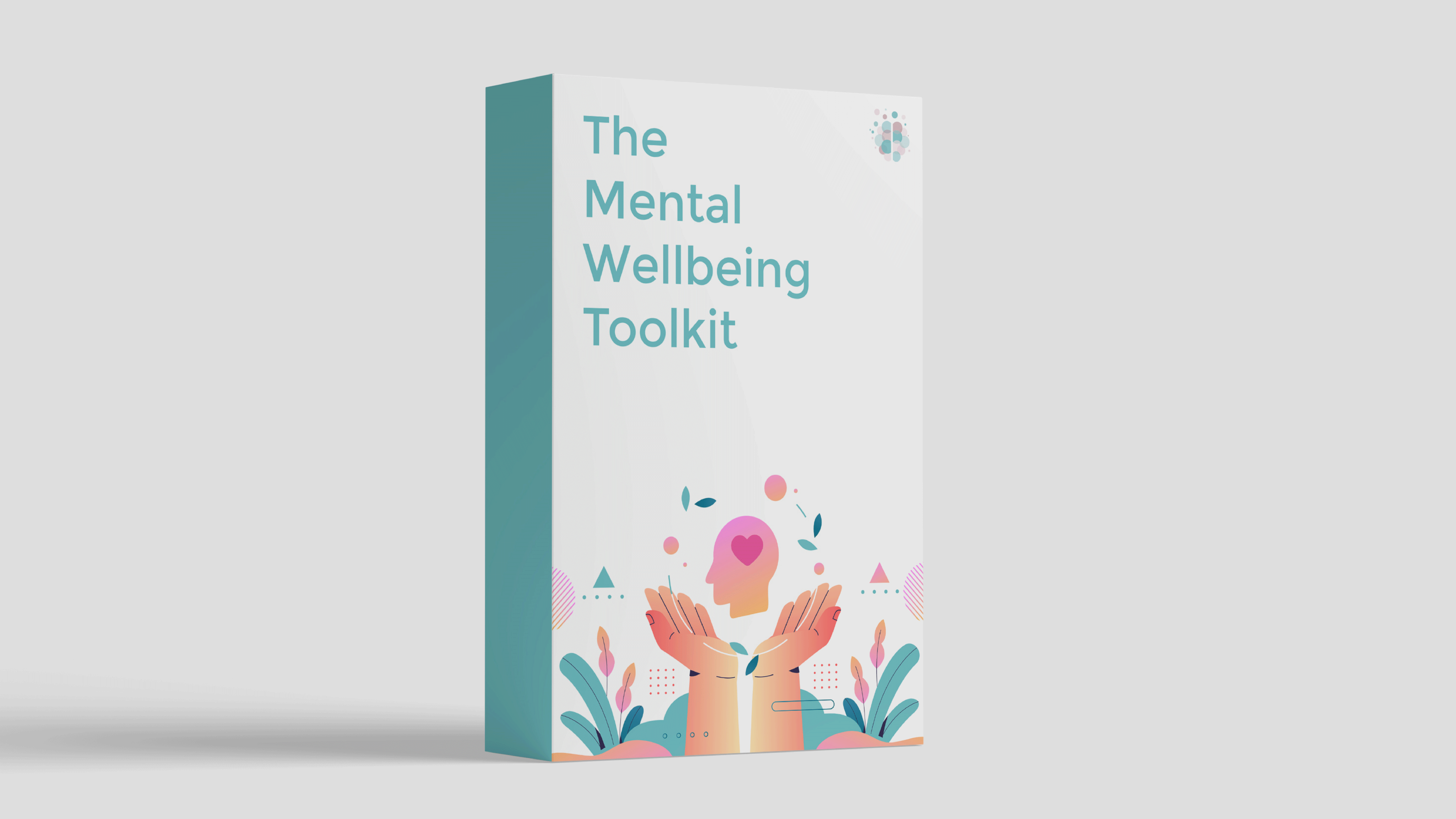
Our self-guided program includes tools from CBT, DBT, ACT and more, so you can discover what works best for you. Check out The Mental Wellbeing Toolkit today – it's "like 10 therapy sessions in one."



About Rebecca
Rebecca Marks is the founder of The Wellness Society, a social enterprise that has supported thousands on their journey to mental wellbeing.
Her tools have been shared by the NHS and featured by Mind, the UK’s leading mental health charity. She comes from a career in mental health charity management, facilitating peer support programs and co-producing initiatives with service users.
Learn more about our story on the About page.