
The relationship between people and their pets is deeply personal. A dog, cat, or another companion pet can become part of our daily routine, offering valuable companionship and comfort when life feels challenging.
Unfortunately, this relationship can sometimes intersect with housing rules, even when the pet parent relies on their furry companion to alleviate their mental health issues. Good intentions aren’t enough in these situations; pet parents must approach this carefully and understand what documentation can and cannot establish for an emotional support animal (ESA), because not everyone is qualified to make a clinical decision.
This is whereCertaPet comes in. It operates as a telehealth platform that connects its users with independent, state-licensed mental health professionals for ESA evaluations and related documentation.
It’s important to note that the platform doesn’t decide when a user needs an ESA; it connects them with an individual clinician who evaluates them and makes an independent determination based on specific criteria.
CertaPet’s privacy policy describes the company as an online platform that connects users with independent clinicians, but it’s not a healthcare provider and does not provide mental health support.
CertaPet Starts With the Question: Is an ESA Appropriate for This Individual?
If you browse the internet, you’ll probably find several simplistic versions of the ESA process that will make it sound as if completing a form automatically leads to documentation, but in fact, responsible evaluation doesn’t work like this.
CertaPet requires an initial screening and assessment before it connects the user with a licensed mental health professional. According to the platform’s current service information, the professional will conduct a consultation, and if they determine that an ESA recommendation is needed, they will issue the documentation.
The company makes it clear on its website that not all users receive an ESA letter: the clinician will perform the evaluation and decide if the treatment recommendation should also include an ESA.
The users get a service that creates a route to a professional assessment, and the specialist will determine the outcome. No one should have the misconception that the documentation is guaranteed simply because they begin the process.
What Does an ESA Do?
It’s crucial to note that an ESA letter isn’t the same thing as an animal registration, certification, or identification card. The CertaPet website warns that some online services could claim they provide ESA registration or certification, but there’s no federal or state ESA registry.
The legal context is important, especially for renters. The U.S. Department of Housing and Urban Development explains that an assistance animal is an animal that provides emotional support or alleviates one or more identified symptoms of the patient’s disability.
Under the Fair Housing Act, someone suffering from a disability can request an assistance animal as a reasonable accommodation to a landlord’s pet restrictions. In case the disability (or disability-related need) is not apparent, the housing provider can request reliable disability-related information to support the renter’s accommodation request.
Unfortunately, this doesn’t mean that presenting documentation will automatically guarantee a favorable housing outcome. The guidance outlines circumstances in which a landlord can deny a requested accommodation, including undue burdens, direct threats, fundamental alterations, or significant property-damage concerns that cannot be addressed through another reasonable accommodation.
Why is the Clinician’s Independence Important?
One of the most important safeguards in an ESA evaluation is that the licensed professional conducts the evaluation and makes the decision independently. CertaPet makes it clear that its users are connected with state-licensed mental health professionals, and the provider-patient relationship is between the individual and an independent clinician.
CertaPet is only the intermediary that facilitates the connection, and from there the clinician will conduct the evaluation, consider the user’s circumstances, and make a relevant clinical determination. When they conclude that an ESA recommendation is appropriate, they provide the user with the corresponding documentation.
The clinician’s independence is a good reason for pet parents to treat the process as an actual evaluation rather than a simple paperwork transaction. They should be ready to answer a series of questions honestly and provide all necessary information during their consultation.
Summary
Approaching ESA documentation responsibly means being honest during the assessment, which tries to understand why the pet’s presence matters. It also means being aware that the licensed clinician decides if the ESA recommendation is appropriate, not the platform. Everyone using CertaPet should review the documentation carefully when issued, including the professional’s licensing information and the data relevant to the requested accommodation.
It’s also recommended to check the rules that actually apply to your unique situation because housing protections under the Fair Housing Act are not interchangeable with ADA public-access rules. Local and state requirements can also influence the process.
Ultimately, responsible ESA documentation is about more than obtaining a letter. It involves ensuring that the recommendation is based on a genuine therapeutic need, issued by an appropriately licensed professional, accurately documented, and used within the legal framework that applies to the individual's circumstances. Taking these steps helps protect both the integrity of the assessment process and the rights of individuals seeking reasonable accommodations.
Helpful Tools
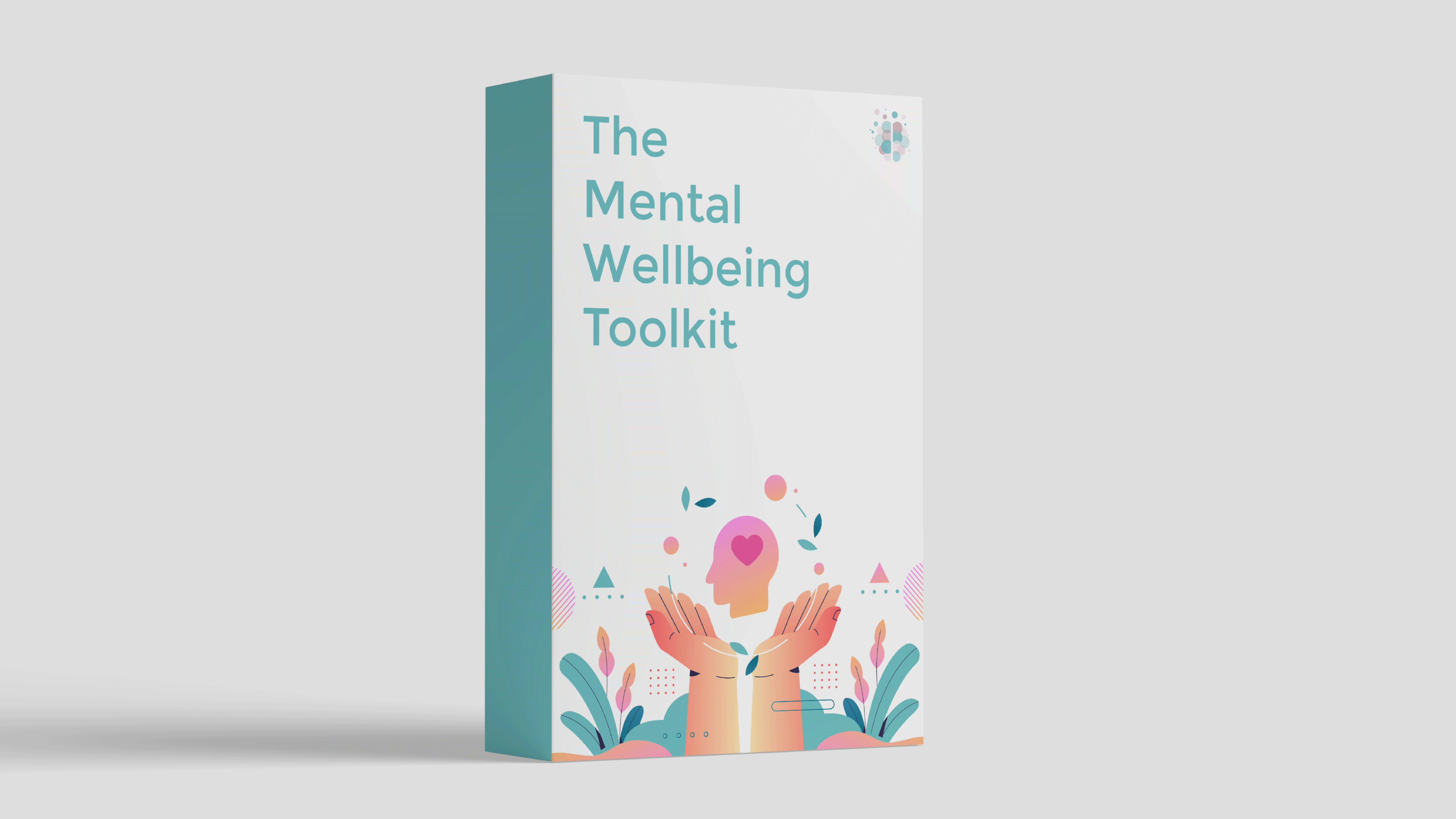
Our self-guided program includes tools from CBT, DBT, ACT and more, so you can discover what works best for you. Check out The Mental Wellbeing Toolkit today – it's "like 10 therapy sessions in one."


Author

About Rebecca
Rebecca Marks is the founder of The Wellness Society, a social enterprise that has supported thousands on their journey to mental wellbeing.
Her tools have been shared by the NHS and featured by Mind, the UK’s leading mental health charity. She comes from a career in mental health charity management, facilitating peer support programs and co-producing initiatives with service users.
Learn more about our story on the About page.