
A cancer diagnosis changes life in an instant. Alongside appointments, treatments, and decisions, many people also carry fear, uncertainty, and emotional exhaustion. The good news is that oncology continues to move forward, bringing new treatments and fresh possibilities that can shape how patients feel about the future.
Every week, oncology news highlights breakthroughs in research, promising clinical trials, and improvements in cancer care. These stories often bring hope, though they can also stir difficult emotions. Understanding this emotional balance helps patients and families make sense of the headlines while protecting their wellbeing.
Why Oncology News Matters
Cancer research rarely stands still. New immunotherapies, targeted medicines, and earlier detection methods regularly make headlines, giving patients reasons to believe that treatment options continue to improve.
For someone living with cancer, these updates can become deeply personal. A news story about a new drug may spark optimism, encourage conversations with an oncologist, or inspire someone to ask about a clinical trial.
At the same time, every cancer is different.
A breakthrough reported in the news may only apply to one cancer type or a small group of patients. Reading those stories without understanding the details can lead to disappointment if the treatment isn't suitable.
Hope Has a Powerful Effect
Hope plays an important role in mental wellbeing. Research has consistently linked hopeful thinking with lower levels of anxiety, greater resilience, and stronger engagement with treatment plans.
Psychiatrist Viktor Frankl once wrote, "Those who have a 'why' to live, can bear with almost any 'how.'"
For many patients, advances in oncology provide that sense of possibility. Even when a new treatment isn't immediately available, knowing that research continues can make the future feel more open.
The Emotional Weight of Waiting
Oncology news often reports encouraging results from clinical trials. While these stories can inspire hope, they can also create long periods of waiting.
Patients may wonder whether a treatment will receive approval, become available locally, or match their diagnosis. Waiting for answers often increases stress and uncertainty, especially when emotions are already running high.
These feelings are completely understandable.
Information Overload
The internet makes cancer news available around the clock. Social media, news websites, and online forums constantly share stories about miracle treatments, survival stories, and scientific discoveries.
Reading every headline can become overwhelming. Some reports simplify complex research, while others exaggerate early findings. This flood of information may increase anxiety and make decision-making harder.
Choosing reliable sources helps reduce unnecessary worry.
Staying Informed Without Feeling Overwhelmed
Following news can help you feel more involved in your care. These practical tips can help you stay informed while supporting your mental wellbeing.
- Choose trusted sources. Follow one or two reliable organizations instead of scrolling through endless headlines. Reputable cancer centers and professional medical societies provide balanced, evidence-based information.
- Write down your questions. Keep a notebook or use your phone to save articles or headlines you want to discuss. Bring them to your next appointment so your healthcare team can explain how the information relates to your situation.
- Keep expectations realistic. Remember that early research is only one step in a much longer process. Many promising discoveries still need larger clinical trials before they become widely available.
- Notice how the news affects you. Pay attention to your emotional response after reading cancer news. If you feel overwhelmed, take a break and return when you feel ready.
- Talk it through. Share what you've read with a family member, friend, support group, or mental health professional. Talking about your concerns often makes them feel more manageable.
- Focus on your own journey. Every person's diagnosis and treatment plan is different. Use oncology news to stay informed, while relying on your healthcare team for advice that's tailored to your needs.
Summary
Advances in oncology continue to transform cancer care, offering new treatments and improving survival for many people. Alongside these medical developments, oncology news shapes emotions by influencing hope, expectations, and confidence.
Staying informed through trusted sources, discussing new research with healthcare professionals, and setting healthy boundaries around the news can help patients feel informed without becoming overwhelmed. Small habits such as asking questions, keeping expectations realistic, and paying attention to your emotional responses make it easier to benefit from medical progress while supporting your mental wellbeing.
Why not choose one reliable oncology news source this week, write down any questions it raises, and discuss them at your next appointment? A simple conversation with your healthcare team can turn uncertainty into understanding and help you feel more confident about your journey.
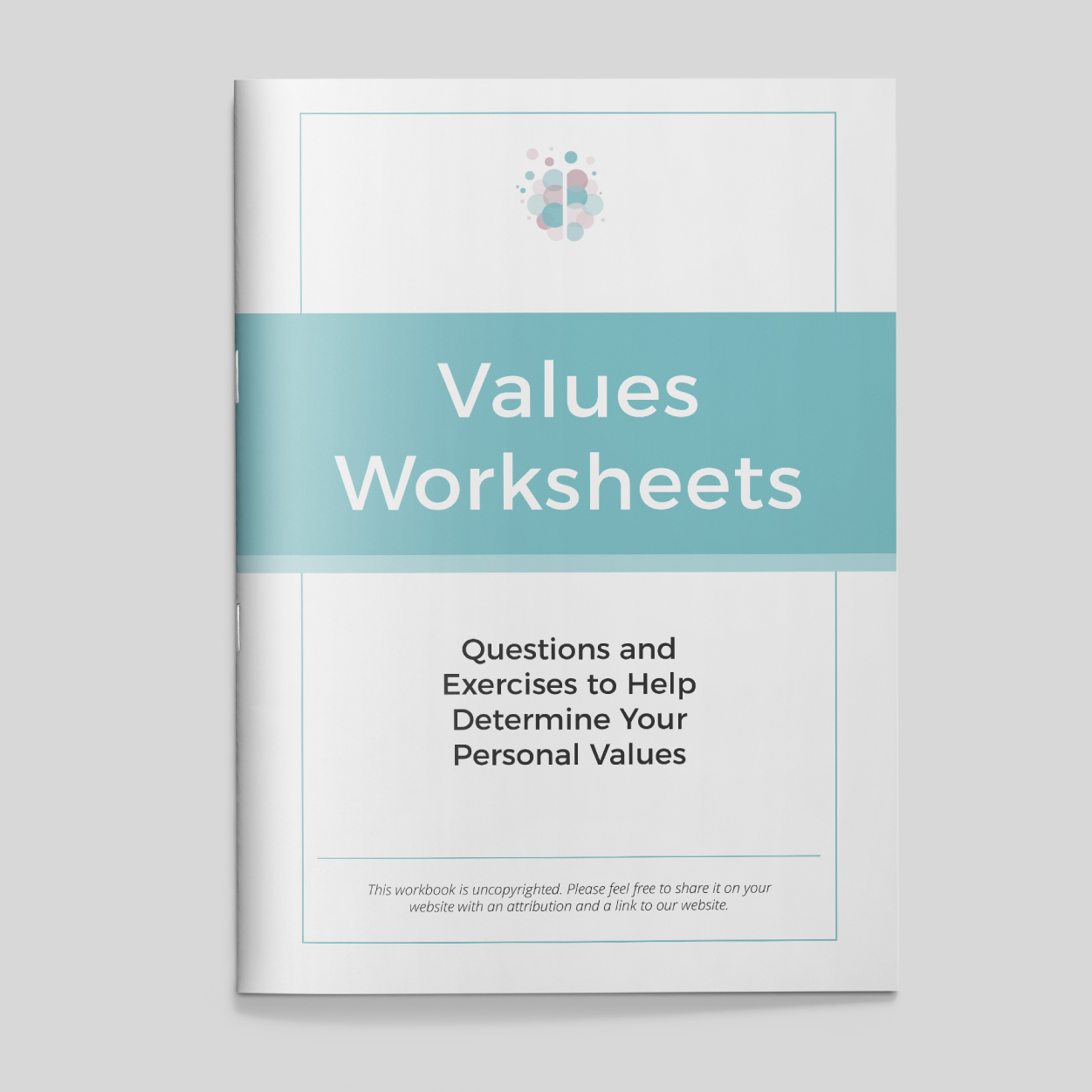
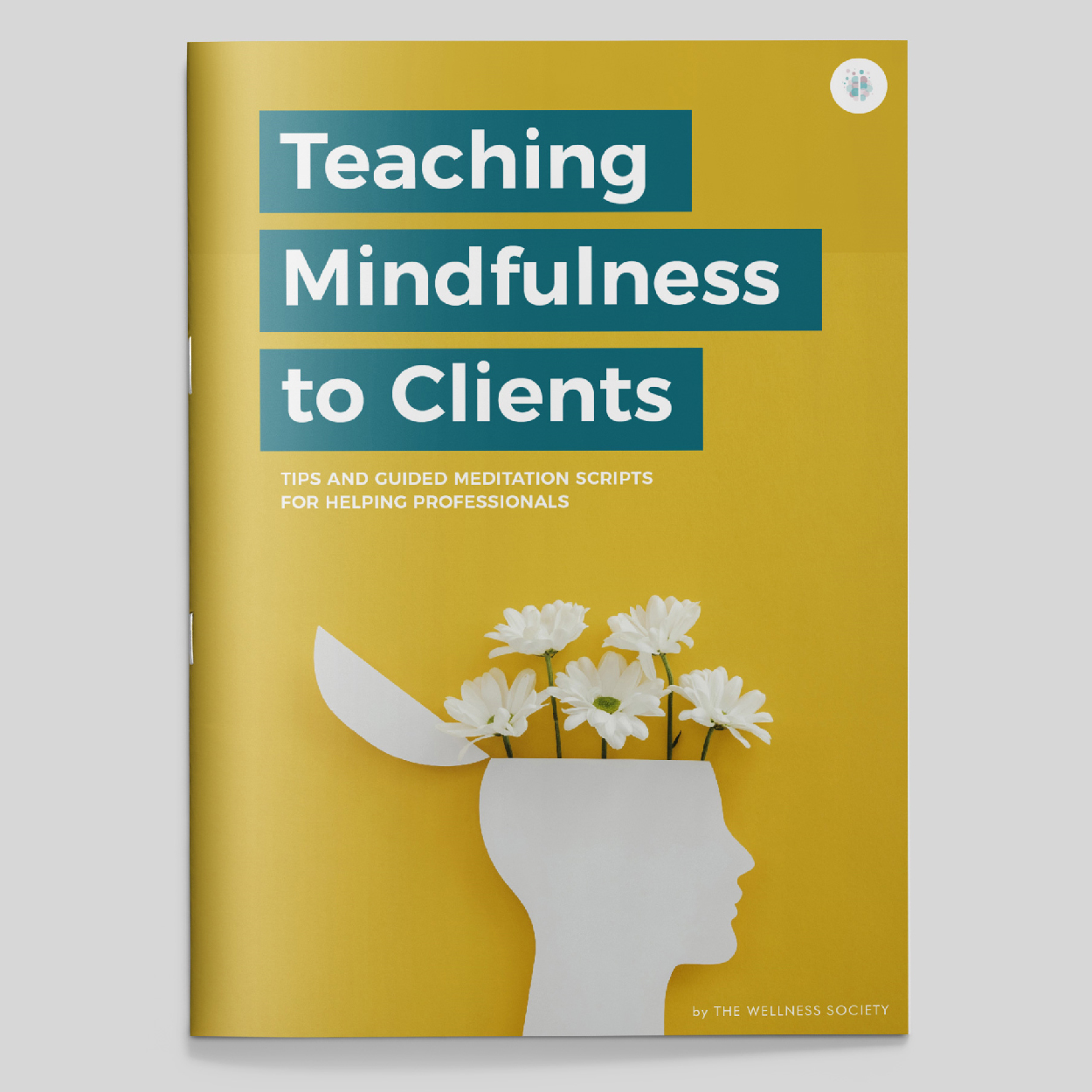
Free Mental Health and Wellbeing Resources
New to our website? At The Wellness Society, we create practical, integrative mental health and wellbeing tools.
Explore our Free Tools Library to access a wide variety of resources today.

About Rebecca
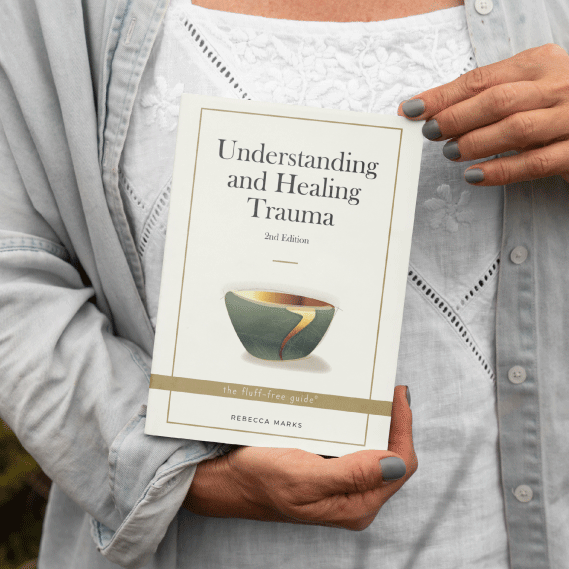
Rebecca Marks is the founder of The Wellness Society, a social enterprise that has supported thousands on their journey to mental wellbeing.
Her tools have been shared by the NHS and featured by Mind, the UK’s leading mental health charity. She comes from a career in mental health charity management, facilitating peer support programs and co-producing initiatives with service users.
Learn more about our story on the About page.