
Divorce is often described as one of life's most stressful experiences. While the legal process can feel overwhelming, many people find that uncertainty is what creates the greatest anxiety.
Questions like "What happens next?" and "How long will this take?" can keep your mind in a constant state of worry.
Creating a divorce timeline won't eliminate the emotional challenges of ending a marriage, but it can help restore a sense of control. Understanding the stages of the process allows you to prepare mentally, emotionally, and practically for what lies ahead – keep reading to learn more.
Why a Divorce Timeline Matters for Mental Wellbeing
When people experience major life changes, their brains naturally seek predictability. Divorce introduces multiple unknowns at once: housing, finances, parenting arrangements, social relationships, and legal outcomes.
A timeline helps by:
- Reducing uncertainty and anxiety
- Breaking a large challenge into more manageable steps
- Providing realistic expectations
- Helping you focus on what you can control
- Preventing emotional burnout from feeling "stuck"
Think of a divorce timeline as a roadmap. The destination may remain the same even if the route changes.
Stage 1: The Decision Period
This stage begins when one or both spouses start seriously considering divorce. Conversations may become more focused on the future, separation may be discussed, or professional advice may be sought.
Mental Wellbeing Challenges
You might experience:
- Anxiety about the future
- Guilt and self-doubt
- Sleep disturbances
- Difficulty concentrating
- Fear of judgement from family and friends
What Helps
Focus on gathering information rather than making every decision at once. Speaking with a therapist, counselor, or trusted advisor can help you process emotions before major legal steps begin.
Remember that uncertainty during this phase is normal. You do not need to have every answer immediately.
Stage 2: Preparation and Planning
Before filing for divorce, many people begin collecting important information, including:
- Financial records
- Tax returns
- Property information
- Retirement accounts
- Insurance documents
- Parenting schedules
It's important to understand the different ways a divorce can be initiated. Depending on your circumstances and local laws, you may choose to work with an attorney, use mediation services, complete paperwork through an online divorce platform, or file documents directly with your local court.
For individuals pursuing an uncontested divorce, online divorce services can simplify paperwork and provide step-by-step guidance. Others may prefer visiting their local court to obtain filing information, access forms, or better understand procedural requirements.
Taking time to research your options early can reduce stress and help you feel more confident about the process ahead.
Mental Wellbeing Challenges
The administrative workload can be surprisingly stressful – many people report feeling overwhelmed by paperwork and decision-making.
To address this, create a simple checklist and tackle one task at a time. Avoid trying to solve every problem in a single weekend.
This is also an ideal time to establish self-care routines such as:
- Regular movement
- Consistent sleep schedules
- Healthy meals
- Therapy or support groups
- Scheduled breaks from divorce-related tasks
Your wellbeing deserves a place on your checklist too.
Stage 3: Filing and Initial Legal Proceedings
The divorce is formally filed, and legal paperwork is served. Temporary arrangements regarding finances, living situations, or parenting may be discussed.
This stage often makes the divorce feel "real." Even when divorce is expected, formal filing can trigger grief, sadness, anger, or relief.
Many people experience emotional ups and downs that seem contradictory.
It’s important to allow yourself to experience mixed emotions without judging them. It’s possible to feel sadness about the end of a marriage while also believing divorce is the right decision.
Maintaining routines can provide stability during a period that may otherwise feel chaotic.
Stage 4: Negotiation and Decision-Making
This phase may involve:
- Property division discussions
- Parenting agreements
- Financial negotiations
- Mediation sessions
- Legal consultations
For some couples, this stage is relatively straightforward. For others, it can become the longest and most stressful part of the process.
Here, decision fatigue is common. Constant discussions about finances, children, and future plans can leave people emotionally exhausted.
To feel better, set boundaries around divorce-related conversations. Not every evening needs to become a legal strategy session. Consider scheduling specific times to address divorce matters and specific times when you intentionally focus on other aspects of life. Protecting your mental energy is a form of resilience.
Stage 5: Finalization
The divorce agreement is finalized, approved, or officially entered by the court.
Many people expect to feel immediate relief once the divorce is final. Instead, they often experience a mixture of emotions:
- Relief
- Sadness
- Fear
- Loneliness
- Hope
- Uncertainty
This emotional complexity is completely normal. Avoid placing pressure on yourself to feel a certain way, and create space to process your emotions.
Stage 6: The First Few Months After Divorce
Life begins to settle into a new routine. New financial systems, parenting schedules, living arrangements, and personal habits become established.
This is often when the reality of change becomes most apparent. Some people feel energized by a fresh start, while others experience delayed grief.
Consider:
- Reconnecting with friends
- Exploring new interests
- Establishing personal goals
- Creating new traditions
- Continuing therapy or support groups
Healing is rarely a straight line. Progress often appears in small moments rather than dramatic breakthroughs.
Summary
A divorce timeline is a tool for reducing uncertainty and supporting your mental wellbeing during a major life transition.
While you can’t control every outcome, you can create structure, seek support, and take one step at a time. The process may feel overwhelming today, but every completed task, every healthy boundary, and every act of self-care moves you closer to stability and a new chapter of life.
Helpful Tools
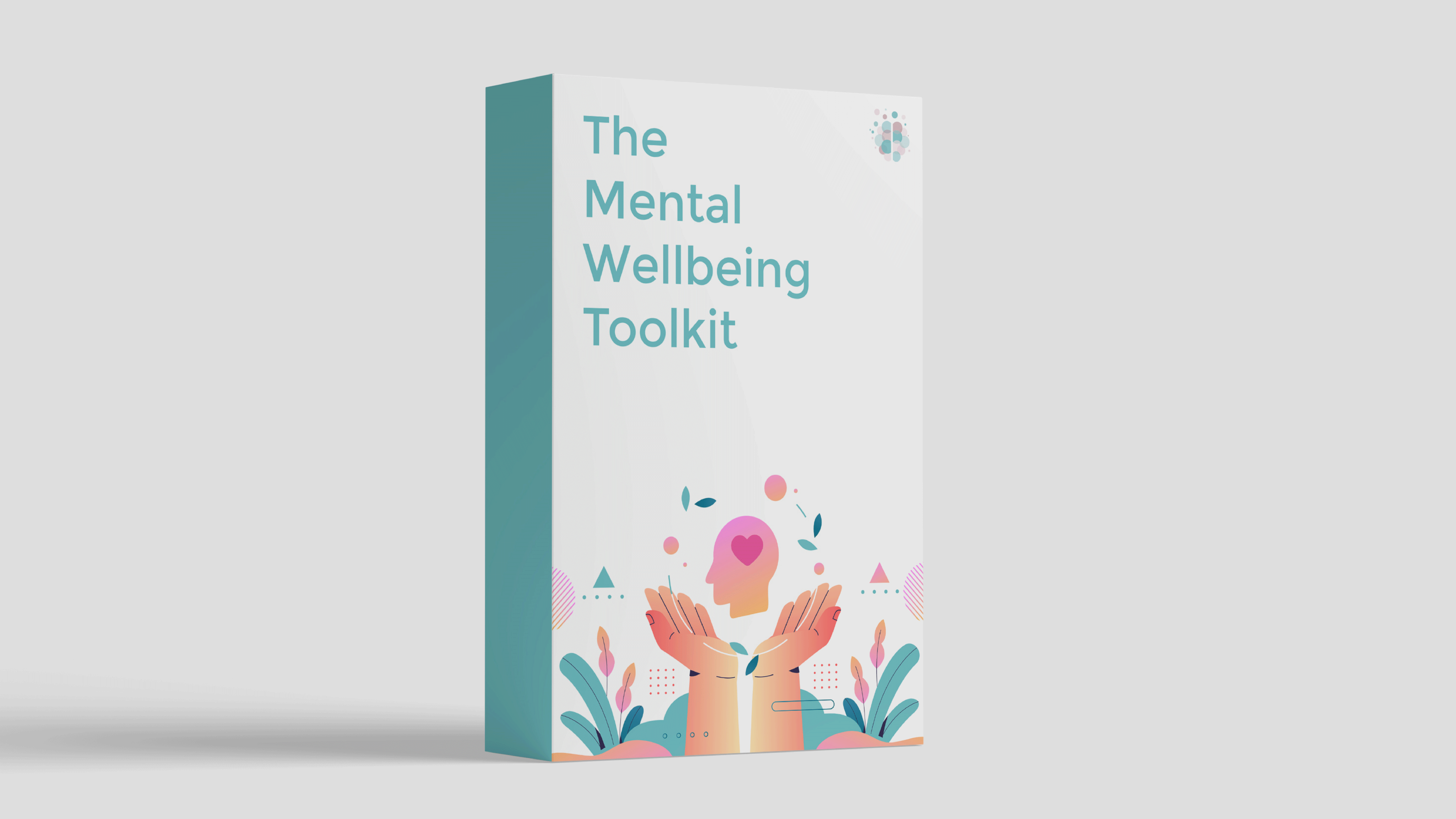
Our self-guided program includes tools from CBT, DBT, ACT and more, so you can discover what works best for you. Check out The Mental Wellbeing Toolkit today – it's "like 10 therapy sessions in one."


Author

About Rebecca
Rebecca Marks is the founder of The Wellness Society, a social enterprise that has supported thousands on their journey to mental wellbeing.
Her tools have been shared by the NHS and featured by Mind, the UK’s leading mental health charity. She comes from a career in mental health charity management, facilitating peer support programs and co-producing initiatives with service users.
Learn more about our story on the About page.