
On the most basic level, parents or caregivers are responsible for feeding kids, bathing them, making sure their hygiene is taken care of, clothing them, taking them to school, taking them to doctor’s appointments, and ensuring their safety.
If these benchmarks are not met on a consistent basis, it's considered to be neglect.
Sometimes parents aren't able to meet the needs of their children due to their own mental health problems, disabilities, poverty, or domestic violence. This is not considered neglect. If anything, it is neglect of the child’s parents by society.
While these examples focus on physical and practical care, children also have emotional needs. When those needs are consistently unmet, this is known as emotional neglect.
What Is Emotional Neglect?
Emotional neglect occurs when parents or caregivers ignore, minimize, or put their kid's emotional wellbeing at risk.
All parents are guilty of emotionally failing their children at times when they're stressed or tired. But emotional neglect is different. It’s either acute, meaning an emotional failure at a time of crisis, or chronic, meaning a child’s emotional needs are unmet over and over throughout their development.
Possible* Signs of Emotional Neglect
- Rarely offering comfort when a child is upset, scared, or overwhelmed.
- Withholding affection and warmth.
- Dismissing or minimizing a kid’s feelings (e.g., “You’re overreacting” or “Stop being so sensitive.”)
- Telling a kid how they should feel instead of helping them explore how they actually feel.
- Expecting a kid to manage adult emotions or act as a confidant or therapist.
- Consistently prioritising work, devices, substances, or other relationships over emotionally connecting with their child.
- Mocking, teasing, or shaming a kid for emotional expression.
- Avoiding conversations about difficult topics (divorce, illness, conflict) and leaving the kid to make sense of them alone.
- Giving a kid presents or clothing that don’t reflect their preferences.
- Signing a kid up for sports or activities without asking them for their input.
- Making their kid’s injury or diagnosis about themselves and how hard it is for them.
- Not celebrating a kid’s birthday, or celebrating it in a way that prioritises their own interests, not their child’s.
- Lack of boundaries and rules (for example, a parent who drinks with their adolescent kid or doesn’t require a curfew).
*If a parent did one of these things one time, it may not be emotional neglect. However, if it was a very traumatic incident or happened many times, it may be emotional neglect.
Signs You're an Adult Who Was Emotionally Neglected in Childhood
- You feel unsure of who you really are or what you want in life
- Not being able to label your emotions or why you feel how you feel
- Never feeling good enough
- Chronic feelings of emptiness
- A sense that you haven’t met your potential
- Experiencing life as an outsider
- Feeling like everyone else has a manual to life and relationships that you never got
- Having a harsh inner critic
- Struggling with self-discipline
- Feeling like you don’t truly belong anywhere
- Having difficulty asking for help or reaching out when you’re struggling
- You would rather isolate yourself than cope with the pain of being misunderstood or hurt in relationships
How to Deal With Emotional Neglect
- Name it. “My emotional needs were not consistently met.” Stop minimising it because “nothing terrible happened.”
- Practice self-validation. Replace thoughts such as “I’m overreacting” with: “My feelings are valid.”
- Allow grief. You’re allowed to grieve the childhood you didn’t get.
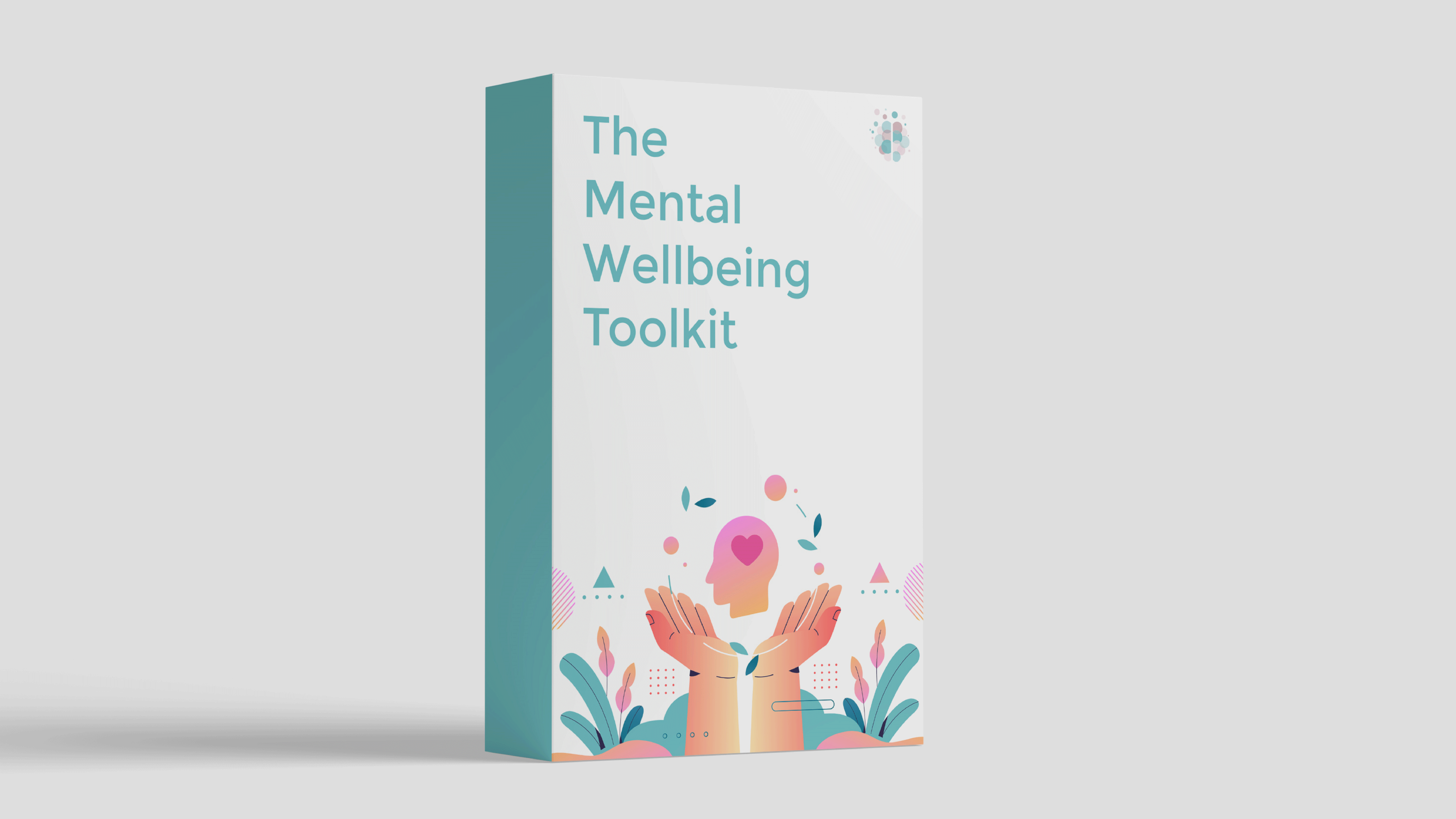
- Learn to pay attention to your emotions. You may wish to track your emotions using a paper tracker and feelings wheels (available in The Mental Wellbeing Toolkit) or via an app such as Daylio.
- Connect feelings to needs. After identifying a feeling, ask: what do I need right now?
- Create corrective emotional experiences. Spend time with people who: listen without fixing, respect your boundaries, and validate your emotions.
- Consider therapy. Emotional neglect is relational; healing often is too.
- Build preference awareness. Emotional neglect often disconnects you from yourself. Pay attention to and/or journal about your likes and dislikes to build your sense of identity.
- Set boundaries. Start low-stakes: “I’d prefer something else.” Read this article for more examples of effective boundary setting.
- Work on your inner critic. Notice harsh self-talk and respond to it as if you were speaking to a child.
How Does The Toolkit Help You Heal Emotional Neglect?
Emotional neglect is about a lack of consistent emotional attunement, validation, and support. You may struggle with:
- Identifying or naming your emotions
- Understanding and prioritising your needs
- Setting boundaries and asking for help
- Feeling “enough”
- Managing mood, stress, anxiety, and relationships
The Mental Wellbeing Toolkit helps in all of these areas:
- Emotional awareness. Mood trackers, feelings wheels, guided exercises, and journaling to help you notice, name, and understand your emotions.
- Emotional regulation skills. Practical techniques to help you manage stress, anxiety, and challenging emotions.
- Self-validation work. Practical tools teach you to respond kindly to your inner critic and connect your feelings to needs.
- Building healthy habits. Step-by-step guidance and systems to help you create routines that support mental wellbeing.
- Boundaries and relationships. Exercises help you assert needs, communicate clearly, and repair patterns of people-pleasing, drawing on principles from Nonviolent Communication (NVC).
- Identity exploration and goal-setting. Focused tools help you discover what you want, building confidence and identity.
The Toolkit acts as a self-guided re-parenting system, helping adults who were emotionally neglected learn the skills they didn’t receive in childhood.
Co-Authors

About Rebecca
Rebecca Ogle, LCSW, is a Licensed Clinical Social worker and therapist in Chicago, IL.Rebecca provides therapy to people with anxiety, low self-esteem, and people pleasing tendencies. She uses a feminist and social justice lens, and interventions based in CBT, mindfulness, and motivational interviewing.
For helpful, free content, follow her on Instagram or go to her website.

About Rebecca
Rebecca Marks is the founder of The Wellness Society, a social enterprise that has supported thousands on their journey to mental wellbeing.
Her tools have been shared by the NHS and featured by Mind, the UK’s leading mental health charity. She comes from a career in mental health charity management, facilitating peer support programs and co-producing initiatives with service users.
Learn more about our story on the About page.