
If you’ve noticed more and more IV drips showing up in wellness spaces, gyms, and recovery clinics, you’re not imagining things. What started in hospitals has moved into mainstream health culture.
In this article, we’ll explore whether IV therapy fits into an evidence-aware plan for feeling better now while supporting your long-term health.
Where IV Therapy May Fit Into a Smart Wellness Plan
There are situations where IV therapy makes intuitive sense.
Intense exercise, travel, illness, and dehydration can all affect fluid balance and recovery. In some cases, clinician-guided fluid support may be appropriate, depending on a person’s symptoms and health needs.
Providers like Onus IV Therapy + Longevity offer wellness services that include hydration and recovery support. People with active lifestyles may also have questions about altitude, endurance fatigue, and seasonal training demands, which can be discussed with a qualified clinician.
If you’re tired all the time, the issue may be low iron, poor sleep, stress, under-eating, overtraining, or something more serious. A drip can’t out-negotiate a bad routine or a missed diagnosis.
Why IV Therapy Has Moved Beyond Emergency Medicine
You probably associate IVs with hospitals, dehydration, or someone wearing a wristband. But IV therapy now sits in a wider wellness conversation because people want faster hydration, convenient nutrient delivery, and support during periods of stress, travel, illness recovery, or heavy physical exertion.
Instead of relying only on digestion, IV therapy delivers fluids and certain vitamins directly into your bloodstream. That changes speed and absorption, though it doesn’t magically replace sleep, a balanced diet, or medical treatment. Think of it as a tool, not a cheat code.
In active cities where hiking, cycling, and endurance sports are part of everyday life, interest tends to grow quickly. Recovery culture has become a real thing, and people are paying closer attention to the gap between surviving the week and actually functioning well.
What People Mean When They Talk About Longevity
Longevity doesn’t just mean living to 100 while dramatically blowing out birthday candles. In wellness terms, it usually means extending your healthspan, the years in which you stay mobile, mentally sharp, and less burdened by chronic disease.
That shifts the focus from quick fixes to patterns that compound over time. You’re looking at sleep quality, nutrition, stress regulation, metabolic health, exercise consistency, and inflammation management. Fancy interventions may get attention, but the basics still run the show.
IV therapy enters this space because some people use it to support hydration, nutrient status, and recovery in a more targeted way. It can feel like a practical add-on for people tracking performance or trying to bounce back from physically demanding routines. The key is keeping your expectations realistic and your decision-making grounded.
The Benefits That Sound Promising and the Limits You Should Know
The appeal is easy to understand. IV therapy may support faster rehydration, and some users report feeling more energized or less drained afterward. For athletes or highly active people, that can sound like a small miracle with tubing.
But reported benefits aren’t the same as universal proof. Research on wellness IV therapy is still mixed, especially for healthy people who already eat well and hydrate adequately. Some vitamins are helpful when you’re deficient. If you’re not deficient, more isn’t automatically better.
There are also practical considerations. Cost adds up. Protocols vary. Ingredients differ from one provider to another. Side effects can include bruising, discomfort, and in rare cases more serious complications if the service isn’t medically supervised. If a place promises superhuman focus and ageless skin, skepticism is healthy.
How to Tell Whether a Provider Is Taking Health Seriously
Not every wellness service operates with the same level of care. If you’re considering IV therapy, pay attention to the boring details. They’re usually the important ones
Look for:
- Medical oversight from licensed professionals
- Clear intake screening and health history review
- Transparent ingredient lists and explanations
- Realistic discussion of benefits and limitations
- Clean clinical procedures and safety protocols
- Guidance on when IV therapy is not appropriate
You should also ask practical questions.
Who evaluates you before treatment?
What’s in the formula?
What problem is it meant to address?
Are there contraindications based on your medications, blood pressure, kidney issues, or pregnancy?
Why Lifestyle Still Does Most of the Heavy Lifting
Even if IV therapy helps in certain situations, longevity still depends mostly on what you repeatedly do. No infusion beats a routine built on sleep, movement, nutrition, stress management, and preventive care.
If your meals are inconsistent, your sleep schedule is chaotic, and your stress level is basically an ongoing group project with no leader, start there. Your body responds best to steady inputs. The unglamorous habits usually create the strongest long-term return.
A better framework is to treat IV therapy as occasional support, not your main strategy. You might use it during intense training blocks, after illness, or in consultation with a provider who sees a specific need. That approach keeps the intervention in proportion and avoids turning wellness into a collection of expensive shortcuts.
Longevity is less about chasing every trend and more about reducing the things that wear you down year after year.
Summary
Before booking anything, take a minute and pressure-test your reasons. Are you curious because you feel genuinely depleted, or because wellness culture makes every service sound essential? Those are not the same situation.
Ask yourself:
- Am I addressing sleep, hydration, and diet first?
- Do I have symptoms that need medical evaluation?
- Am I expecting a temporary boost or a real treatment?
- Is the provider transparent and medically credible?
- Does the cost make sense for my goals?
If you’re healthy and simply interested in optimizing recovery, a measured approach makes sense. If you’re dealing with persistent fatigue, dizziness, headaches, or exercise intolerance, medical evaluation comes first. Wellness support can be useful, but it shouldn’t become a detour around proper care.
The smartest health choices usually feel less dramatic than social media makes them look. They’re built on good questions, not just appealing promises.
Helpful Tools
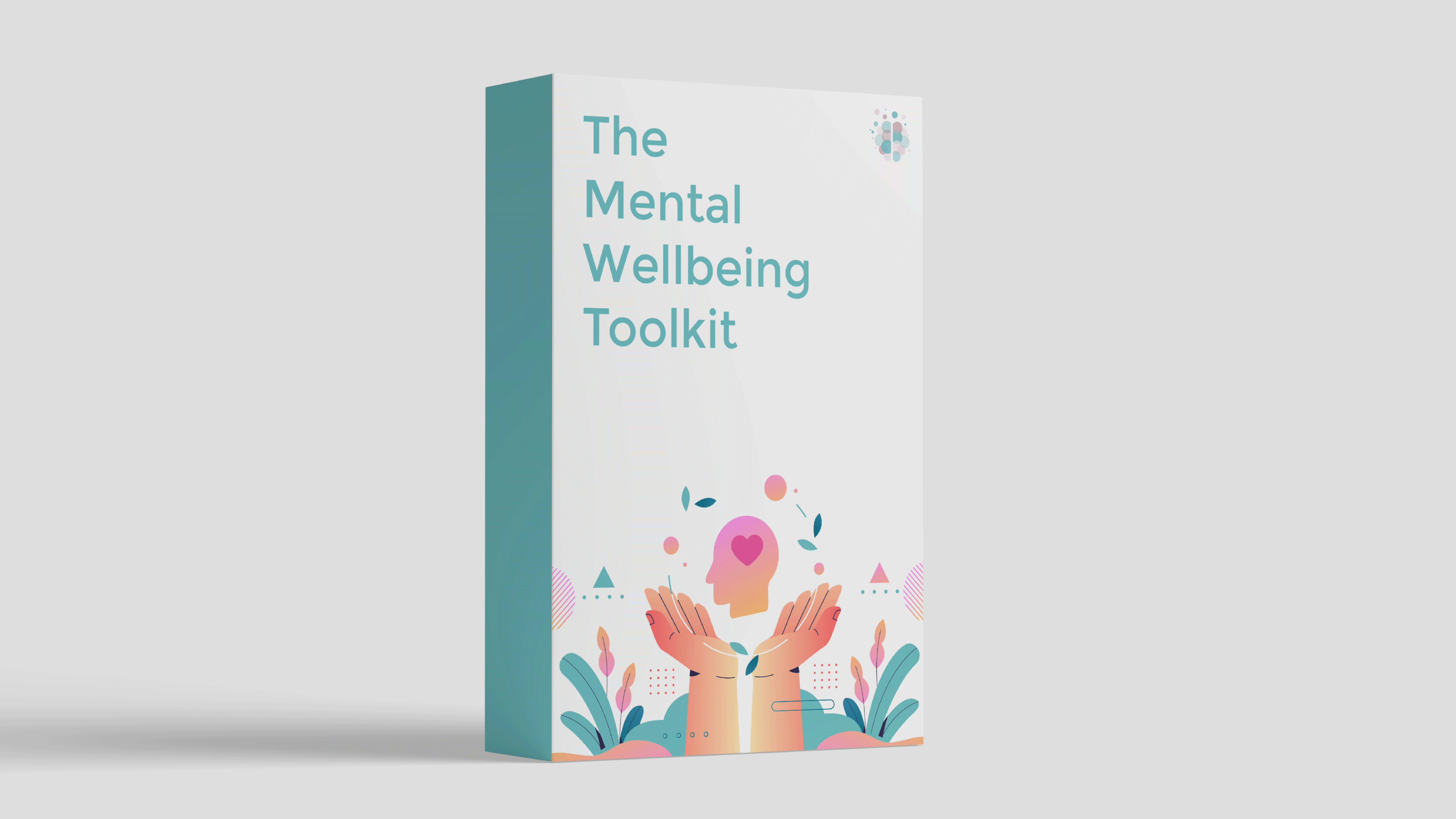
Our self-guided program includes tools from CBT, DBT, ACT and more, so you can discover what works best for you. Check out The Mental Wellbeing Toolkit today – it's "like 10 therapy sessions in one."


Author

About Rebecca
Rebecca Marks is the founder of The Wellness Society, a social enterprise that has supported thousands on their journey to mental wellbeing.
Her tools have been shared by the NHS and featured by Mind, the UK’s leading mental health charity. She comes from a career in mental health charity management, facilitating peer support programs and co-producing initiatives with service users.
Learn more about our story on the About page.