
A moth circles the porch light and your shoulders tighten. A spider drops from the ceiling and your heart is suddenly racing. Most people have moments like this, and most recover within a minute or two. For some, though, an insect does more than startle them. It changes how they use a room, how well they sleep, and how safe their own home feels.
That experience has a name: entomophobia, the fear of insects. It rarely gets the attention other anxiety issues do, partly because it’s easy to dismiss as squeamishness.
Keep reading to discover what entomophobia is, how it differs from ordinary dislike, how it shows up in daily life, and which tools can help you feel better.
What Is Entomophobia?
Entomophobia is a specific phobia: an intense fear of insects that is out of proportion to the actual danger they pose, according to the Cleveland Clinic. Disliking bugs is common. Entomophobia goes further, because the fear shows up reliably, feels overwhelming, and starts to shape your choices.
The physical signs can look a lot like other anxiety responses:
- A racing heart or heart palpitations
- Sweating, trembling, or chills
- Shortness of breath, dizziness, or lightheadedness
- Nausea or an upset stomach
The emotional side is just as real. Many people describe constant worry about running into insects and a strong urge to avoid places where they might appear.
Clinicians typically look at whether the fear happens consistently, has lasted at least six months, and interferes with daily life or relationships.
How the Fear Shows Up at Home
Home is where this fear tends to do the most damage, because it’s the place you’re supposed to relax. People often start by changing small habits. They leave a light on in the kitchen, avoid the basement, shake out shoes before putting them on, or check the same corner of the bathroom every night before bed.
These habits feel protective, but they keep the alarm system switched on. Checking and avoiding bring short-term relief, which teaches your brain that the threat was real and that the ritual was necessary. Over time the rituals take more energy, and sleep, focus, and mood can suffer.
Uncertainty makes it worse. A single sighting leaves a big question: is this one insect, or a sign of many? Part of the distress comes from not knowing what you’re looking at. Learning what a sighting actually means can take some of the fear out of it. For example, understanding whatbaby cockroaches can signal about whether roaches are breeding nearby gives you facts to act on instead of a spiral of what-ifs.
The goal is not to become someone who never reacts to bugs. It is to respond to what is actually in front of you, at the size it really is.
Why the Fear Feels So Strong
Insects set off the body's threat response quickly.
They move fast, appear without warning, and are hard to predict, and the brain reacts first and checks the facts later. That’s why the reaction can feel automatic, even when you know the insect is harmless.
The Cleveland Clinic lists several common roots: a frightening or painful past experience, such as an allergic reaction to a sting; a family history of anxiety disorders; and watching someone close to you react with fear. None of these is a personal failing. Fear is learned, and what is learned can be changed.
It also helps to know that avoidance is the main thing that keeps a phobia going. Each time you leave the room, skip the garden, or cancel the picnic, the fear gets a little bigger and your comfort zone a little smaller.
Tools That Help You Feel Better
- Name what’s happening. Saying "this is my fear response, not a danger signal" out loud, or in your head, creates a little distance between you and the reaction.
- Slow your breathing. Breathe in for four counts and out for six. A longer exhale tells your body it can stand down.
- Ground yourself in the room. Name five things you can see, four you can touch, three you can hear, two you can smell, and one you can taste. It pulls attention back from the what-ifs.
- Replace constant scanning with one check. If you keep inspecting corners, pick one time a day to look and stop there. It breaks the loop without asking you to ignore your fear.
- Take small steps toward what scares you. Looking at a photo of an insect, then a video, then watching one through a window is gradual exposure. Go slowly and stop where it is too much.
When to Get Professional Support
Self-help works for many people, but a phobia that is keeping you from sleeping, working, going outside, or enjoying your home deserves professional attention. Exposure therapy and cognitive behavioural therapy (CBT) are the main approaches.
Exposure therapy builds tolerance step by step, and cognitive behavioural therapy helps you change the thoughts that feed the fear. For some people, a clinician may also discuss medication for the anxiety itself. A doctor or licensed therapist can help you choose what fits.
Summary
Fear of insects is common, understandable, and treatable. You don’t have to love bugs to feel at ease around them. You only need enough steadiness to get through a summer evening, a night in a new place, or a trip to the kitchen for water without your body going on high alert.
Start small. Pick one suggestion from this guide, try it for a week, and notice what changes. If the fear keeps getting in the way, reach out to a professional. Feeling safe in your own home is worth the effort.
Helpful Tools
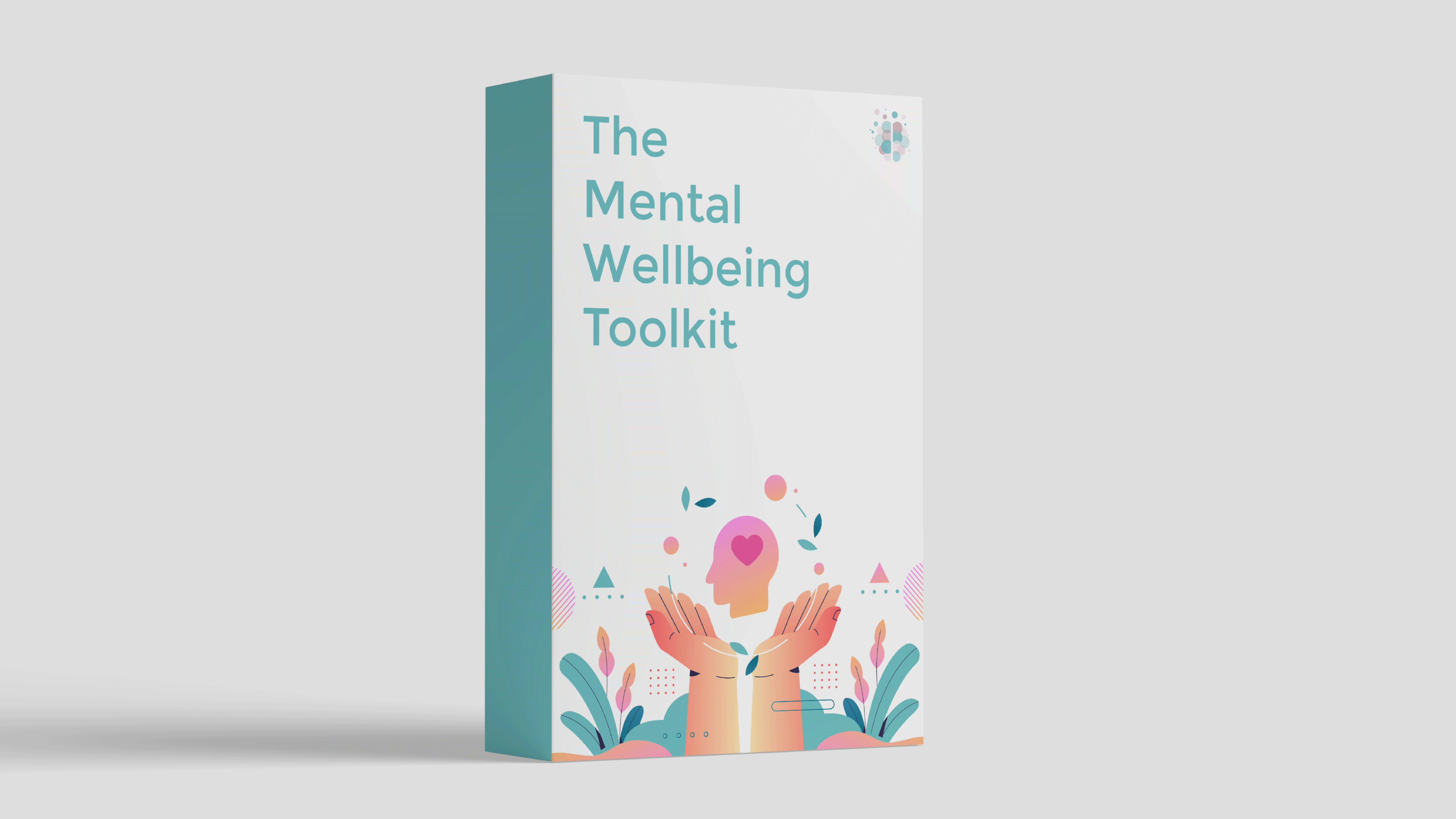
Our self-guided program includes tools from CBT, DBT, ACT and more, so you can discover what works best for you. Check out The Mental Wellbeing Toolkit today – it's "like 10 therapy sessions in one."

Author

About Rebecca
Rebecca Marks is the founder of The Wellness Society, a social enterprise that has supported thousands on their journey to mental wellbeing.
Her tools have been shared by the NHS and featured by Mind, the UK’s leading mental health charity. She comes from a career in mental health charity management, facilitating peer support programs and co-producing initiatives with service users.
Learn more about our story on the About page.