
When someone you care about has been through a mental health crisis, it’s natural to stay alert. You may worry about another crisis, feel responsible for keeping them stable, or put your own needs aside to make sure they’re okay.
Supporting someone through crisis recovery takes care and patience. It also requires boundaries, because their recovery can't become your full-time responsibility.
Understand What Crisis Recovery Involves
Recovery after a mental health crisis can take time. Someone may need to rebuild routines, reconnect with treatment, and learn how to manage difficult symptoms.
Progress may come with setbacks. A difficult day or return of symptoms doesn't automatically mean they're back where they started.
Your role is to offer steady support while allowing them to take responsibility for their recovery.
Recognize the Signs of Burnout
Supporting someone after a crisis can keep you in a state of constant worry. You might feel exhausted, anxious when your phone rings, irritable, withdrawn, or guilty when you spend time on your own life.
Resentment can develop too. You may feel frustrated by repeated setbacks and then feel guilty for having those feelings.
These are signs that your own wellbeing needs attention.
Set Clear Boundaries
Boundaries help you support someone without becoming responsible for every part of their recovery.
Decide what you can realistically offer. You might agree to regular check-ins, help with appointments, or be available during certain hours while keeping other parts of your life protected.
Be clear about your limits. For example, you can say, “I care about you and want to support you. I can check in each evening, but I need to protect my sleep and won't be available late at night.”
You can also set boundaries around harmful behavior. Verbal abuse, manipulation, substance use, or repeated demands for support don't have to become part of your role.
Don't Become Their Crisis Plan
After a crisis, it can be tempting to monitor everything. You might track their mood, manage appointments, make decisions for them, or feel responsible for preventing another crisis.
This can quickly leave you overwhelmed and can make it harder for the person to develop their own coping skills.
Encourage them to build a wider support system that may include mental health professionals, family, friends, and crisis resources. You can be part of that system without being the entire system.
Encourage Professional Support
Professional care is especially important during recovery from a mental health crisis. You can help reduce practical barriers without taking over.
Offer to research providers, help make a phone call, or provide transportation if appropriate. If they're reluctant to seek help, try to understand what's making it difficult rather than pushing harder.
Their treatment remains their responsibility. Your role is to support access and encourage follow-through.
Know When to Step Back
Stepping back can be difficult after you've spent a long time in crisis mode. You may worry that taking time for yourself means you're abandoning them.
Pay attention if you're doing more work toward recovery than they are, or if your own mental health is deteriorating.
Reducing contact, limiting the support you provide, or taking a temporary break may be necessary. If the relationship becomes abusive, protecting yourself needs to come first.
Understand the Stages of Change
Recovery after a mental health crisis doesn't happen in one predictable sequence. The stages of change model can help you understand why someone's readiness may shift over time.
Someone may move through stages such as precontemplation, contemplation, preparation, action, and maintenance. They may also move backward or revisit an earlier stage when they experience a setback.
This matters because the kind of support they need can change. Someone who isn't ready to consider help may need understanding and conversation, while someone in the action stage may benefit from practical support with treatment and new coping strategies.
Try to meet them where they are rather than pushing them toward the stage you think they should be in.
Stay Steady During Setbacks
A setback can bring fear, especially if you've already experienced a serious crisis with the person. Try to respond to what's happening now rather than assuming the worst.
You can acknowledge the difficulty while encouraging them to reconnect with their treatment and support network.
Your emotional state doesn't have to rise and fall with theirs.
Protect Your Own Life
Keep the parts of your life that existed before the crisis. Stay connected with friends, maintain your hobbies, get enough sleep, and make space for activities that have nothing to do with recovery.
Your own support network matters too. A therapist or support group can give you somewhere to process the fear, frustration, grief, and uncertainty that can come with supporting someone after a crisis.
Taking care of yourself helps you remain a stable source of support.
Remember That Recovery Takes Time
Crisis recovery rarely follows a predictable timeline. Someone may improve quickly in one area while struggling in another.
Try to focus on meaningful steps rather than expecting constant progress. Attending appointments, using coping strategies, rebuilding routines, or asking for help can all be signs of movement forward.
Recovery may involve learning to manage ongoing symptoms rather than reaching a point where every difficulty disappears.
Summary
Supporting someone after a mental health crisis means offering care without taking ownership of their recovery. Clear boundaries, professional support, realistic expectations, and your own support network can help you stay present without burning out.
You don't have to monitor every change or solve every problem. You can care deeply while allowing the other person to develop their own independence and responsibility.
Why not choose one boundary you need to strengthen today and talk about it openly with the person you're supporting?
Helpful Tools
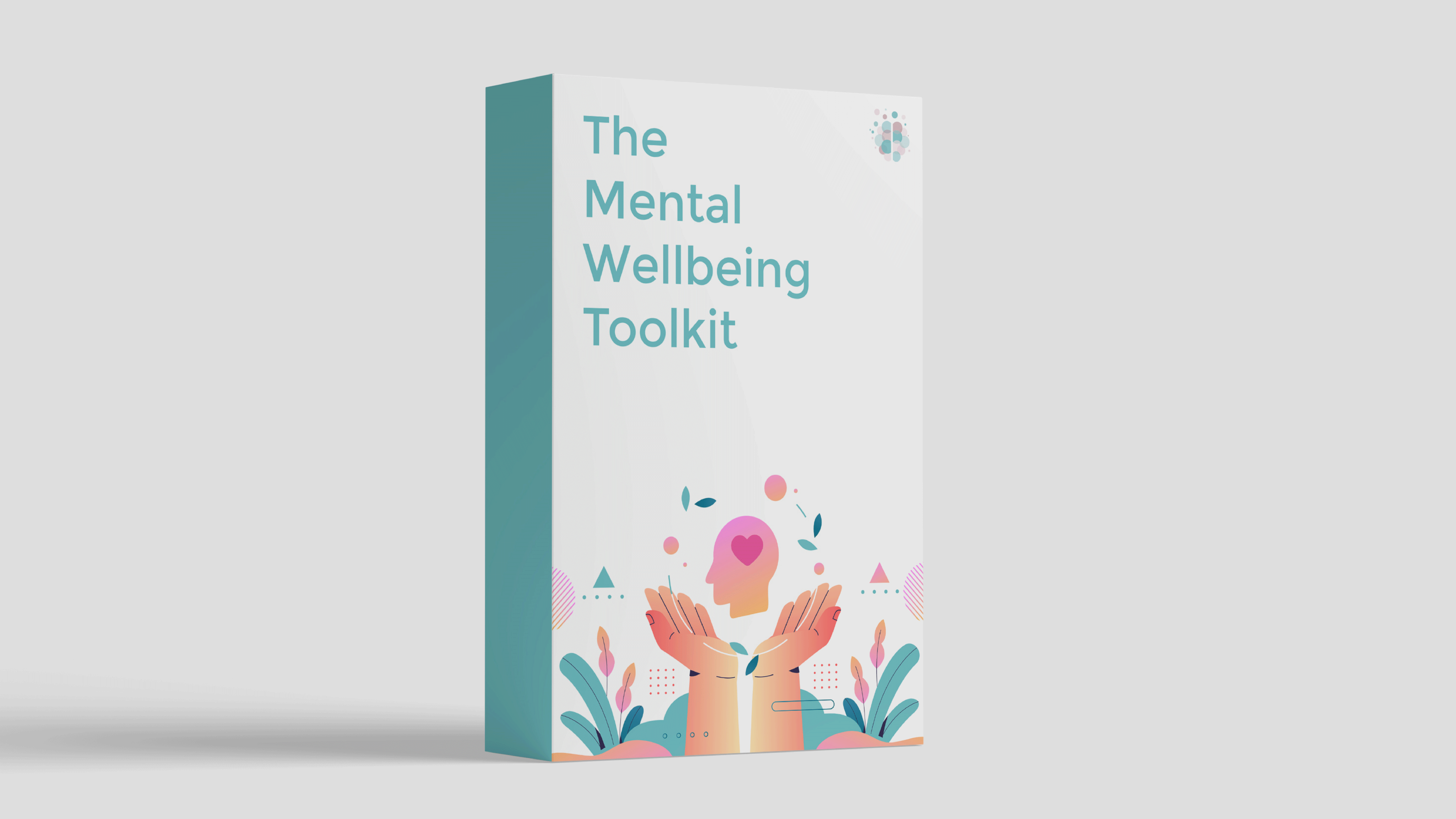
Our self-guided program includes tools from CBT, DBT, ACT and more, so you can discover what works best for you. Check out The Mental Wellbeing Toolkit today – it's "like 10 therapy sessions in one."


Author

About Rebecca
Rebecca Marks is the founder of The Wellness Society, a social enterprise that has supported thousands on their journey to mental wellbeing.
Her tools have been shared by the NHS and featured by Mind, the UK’s leading mental health charity. She comes from a career in mental health charity management, facilitating peer support programs and co-producing initiatives with service users.
Learn more about our story on the About page.