
When you go through medically supervised detox, you’re not just “stopping” alcohol or drugs. You’re allowing a medical team to guide your body through a risky transition as safely and comfortably as possible.
They monitor your vital signs, manage withdrawal symptoms, and respond quickly if complications begin.
Detox doesn’t treat every part of addiction, but it creates the physical and mental stability needed for real recovery work to begin.
What Is Medically Supervised Detox?
When you enter medically supervised detox, you begin a structured, physician-directed process that aims to safely remove alcohol or drugs from your system while reducing the risks and discomfort of withdrawal.
The process typically starts with a comprehensive evaluation, including a medical history, physical examination, laboratory tests, and screening for co-occurring medical or mental health issues.
Based on this assessment, the care team develops an individualized stabilization plan tailored to your substance use pattern, overall health, and withdrawal risk.
Throughout detox, staff regularly monitor vital signs such as blood pressure, heart rate, breathing, and temperature to identify and address complications early.
When appropriate, clinicians may use medications, such as buprenorphine or methadone for certain opioid use disorders, or other medications to relieve withdrawal symptoms and prevent serious complications (such as seizures in alcohol withdrawal).
The length of detox varies, but it commonly lasts several days and depends on the substances involved, the duration and intensity of use, and your general medical condition.
Detox options can range from hospital-based stabilization to private residential programs and dedicated addiction treatment facilities. Choosing the right detox center means looking beyond convenience and making sure the program offers proper medical monitoring, withdrawal management, and a clear transition into ongoing care.
Why Medical Detox Is a Critical First Step
Addiction specialists generally believe that medical detox is an important first step, but not a substitute for ongoing addiction treatment.
Medical detox allows your body to eliminate alcohol or drugs under close, licensed medical supervision while withdrawal symptoms are monitored and treated.
This supervision reduces the risk of serious complications, such as delirium tremens and benzodiazepine-related seizures.
Although detox usually lasts about 5 to 7 days, it primarily addresses the acute physical effects of substance use. By improving safety and comfort during withdrawal, detox can make it more feasible to transition into ongoing treatment, where the psychological, behavioural, and social aspects of addiction are addressed.
Who Needs Medical Detox? Signs and Risks
How can you tell if detox is something you can manage on your own, or if medical support is necessary?
If you’ve developed a tolerance, meaning you need more of the substance to get the same effect, feel you need the substance just to feel “normal,” or experience physical symptoms when you cut down or stop, you’re likely physically dependent.
Physical dependence is a key indicator that medical detox may be appropriate.
Withdrawal from alcohol and benzodiazepines can progress from milder symptoms such as sweating, tremors, insomnia, and agitation to more severe complications, including hallucinations, seizures, and, in some cases, death.
Opioid withdrawal typically involves symptoms similar to a severe case of the flu, such as anxiety, vomiting, diarrhea, and muscle pain. It often contributes to relapse because of the discomfort and cravings.
If you’ve tried to quit before and were unable, experience strong or frequent cravings, or use substances in high amounts or for long periods, medically supervised detox is generally the safer and more effective option.
What Happens During Medical Detox Each Day
Once you’ve determined that medical detox is the safer option, it can be useful to understand what typically happens each day.
Each morning, staff usually check your vital signs, such as heart rate, blood pressure, temperature, and breathing, to identify any complications as early as possible.
You’ll follow a treatment plan tailored to your specific substance use pattern, withdrawal risk, and any co-occurring medical or mental health conditions.
Alcohol detox commonly lasts about 2 to 8 days, with many people staying around 5 to 7 days, though the exact duration depends on how your body responds to treatment.
During the day, you receive support aimed at maintaining hydration and nutrition, along with medications or other interventions to reduce symptoms like nausea, vomiting, insomnia, tremors, sweating, restlessness, and anxiety.
Staff continue to monitor you at regular intervals to track your progress and adjust your care as needed.
Medications Used in Medical Detox and How They Help
In medically supervised detox, clinicians may use specific medications to lessen withdrawal symptoms, reduce the risk of medical complications, and, in some cases, help decrease cravings so you can stabilize safely.
Medication is only started after a clinician reviews your substance use history, overall health, and potential risk factors.
For opioid withdrawal, commonly used options include buprenorphine, such as Suboxone, and methadone. These medications can ease withdrawal symptoms and support the transition into longer-term treatment.
Methadone has been used since the 1950s and can be gradually tapered under medical supervision.
Naltrexone is another medication that can help treat both alcohol and opioid use disorders by blocking the effects of opioids. However, it generally requires about 7 to 10 days with no opioid use before starting to avoid precipitated withdrawal.
Medical Detox Safety, Length, and Levels of Care
Medications are most effective for detoxification when combined with an appropriate level of medical supervision. Medically supervised detox, therefore, emphasizes safety, monitoring, and clinical assessment in addition to the use of prescribed medications.
In a licensed facility with physician oversight and 24/7 nursing care, staff regularly check vital signs and can address complications such as significant changes in blood pressure, heart rate, or body temperature.
The typical duration of detox is about 5 to 7 days, though alcohol withdrawal may range from approximately 2 to 8 days, depending on individual factors such as duration and intensity of use, co-occurring medical conditions, and prior withdrawal history.
The recommended level of care is based on the person’s risk profile. Individuals at higher risk of severe alcohol or benzodiazepine withdrawal generally require inpatient monitoring, whereas those with lower risk and stable medical status may be managed in a structured outpatient setting with scheduled visits and close follow-up.
Life After Detox: Rehab, Therapy, and Support
Detox is an important first step, but it mainly addresses the physical effects of substance use and withdrawal. Lasting recovery depends on the treatment and support that follow.
After approximately 5 to 7 days of medically supervised detox, many individuals transition to structured rehabilitation programs that focus on the behavioural, environmental, and biological factors contributing to substance use.
In rehabilitation, patients typically work with licensed professionals through individual therapy, group counseling, and psychoeducation. These services are designed to help identify triggers, develop coping skills, and address co-occurring mental health issues.
Ongoing care after formal rehab, such as outpatient therapy, relapse-prevention planning, and case management, plays a central role in maintaining progress. This phase emphasizes long-term strategies, including building a support network, managing stressors, and accessing community resources.
Summary
Medically supervised detox gives you a safe, supported way to stop using alcohol or drugs and protect your health. With 24/7 monitoring, targeted medications, and a structured plan, you’re not just “toughing it out.” You’re stabilizing your body and mind so real change can begin.
Detox is not the finish line; it’s the starting block. When you follow it with rehab, therapy, and ongoing support, you give yourself a genuine chance at lasting recovery.
Build Your Mental Wellbeing Toolkit
Research shows that self-help materials are often enough for people to overcome mild to moderate mental health difficulties without professional support.
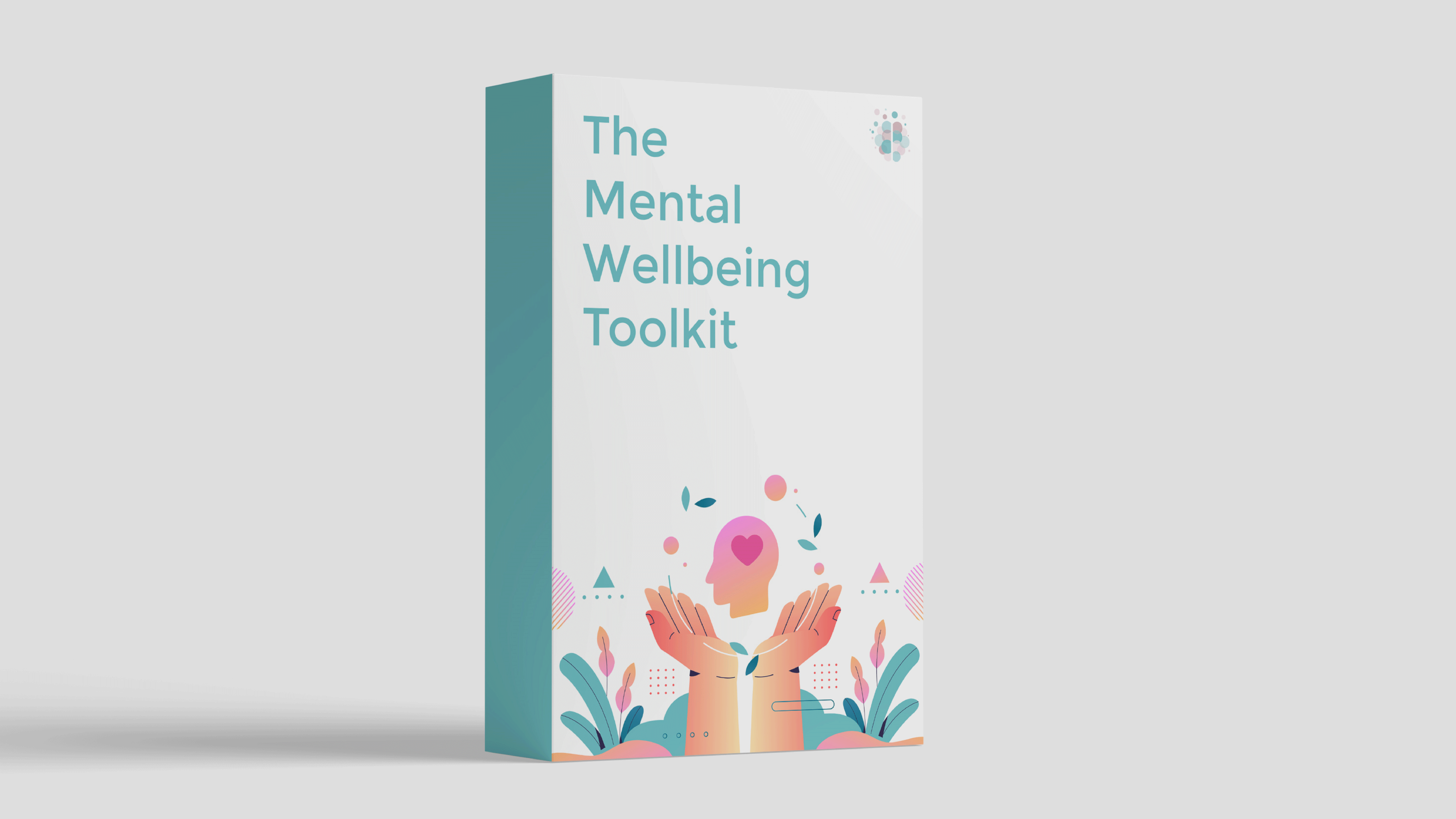
If you’re interested in a self-guided program that includes tools from CBT, ACT and more, be sure to check out The Mental Wellbeing Toolkit. It's "like 10 therapy sessions in one."

About Rebecca
Rebecca Marks is the founder of The Wellness Society, a social enterprise that has supported thousands on their journey to mental wellbeing.
Her tools have been shared by the NHS and featured by Mind, the UK’s leading mental health charity. She comes from a career in mental health charity management, facilitating peer support programs and co-producing initiatives with service users.
Learn more about our story on the About page.