

We understand that the idea of taking steps to address your mental wellbeing can feel overwhelming. Try to keep your focus small, focusing on just one step at a time. In this online guide, we'll outline our suggestions for how to use the Toolkit.
The 5 Steps: A Quick Overview
Step |
Tool |
Purpose |
|---|---|---|
| 1 | The Thinking Slow Method | Reduce overthinking, emotional distress, and uncomfortable physical sensations. |
| 2 | The Lasting Habits System | Build sustainable habits that support mental wellbeing and lasting behaviour change. |
| 3 | Journaling Practice | Cultivate positive emotions, strengthen self-awareness, and reinforce learning from the Toolkit. |
| 4 | The Better Sleep Planner | Improve sleep quality to support mental and physical wellbeing. |
| 5 | The GROW Planner | Gain clarity, solve problems, and create positive change through goal setting. |
Step 1. Learn The Thinking Slow Method
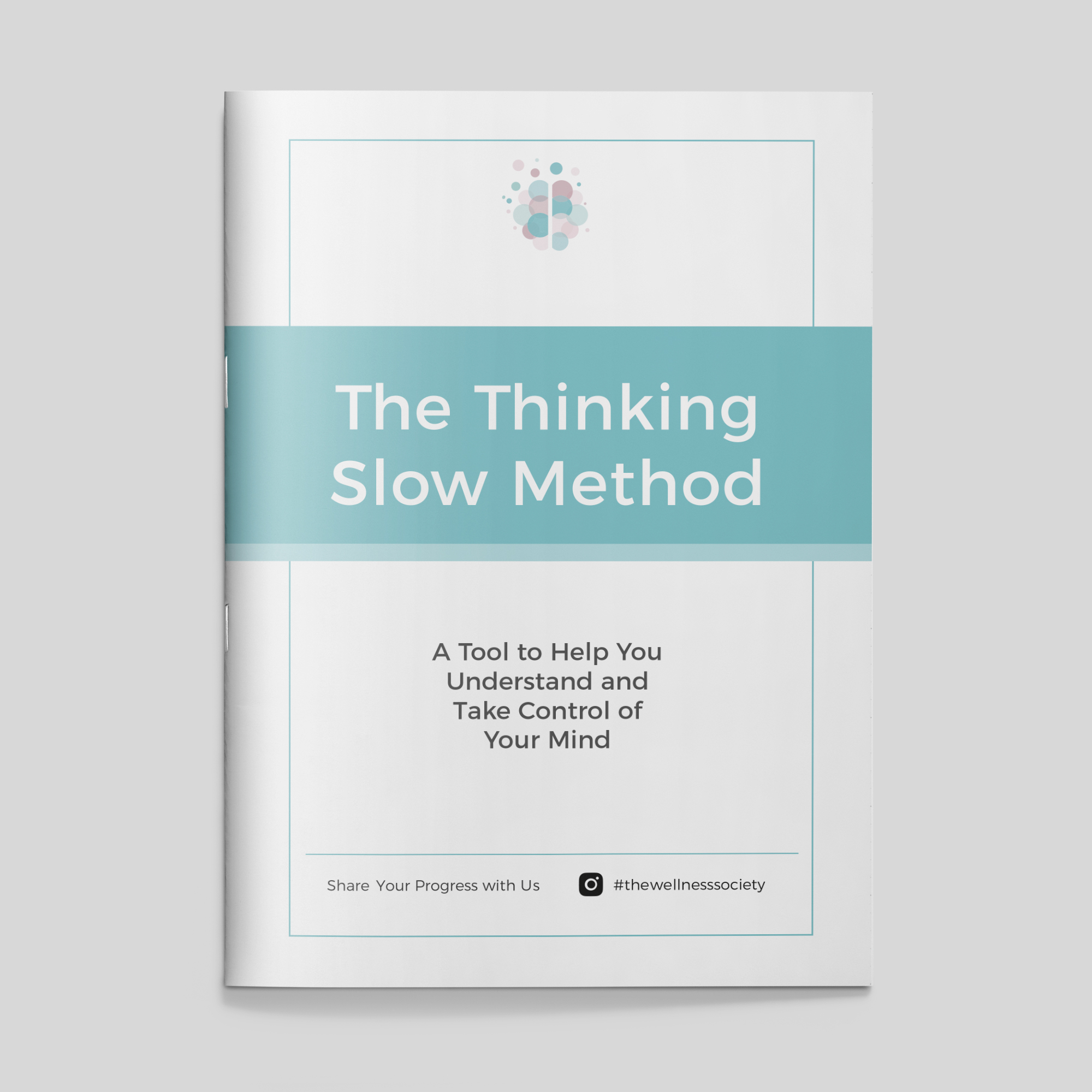
The Thinking Slow Method is a 3-step system to help you reduce overthinking (referred to by psychologists as ‘rumination’), deal with challenging emotions, and cope with uncomfortable physical sensations.
Research suggests that rumination plays a large role in the experience of poor mental health. That’s why we suggest making it the first step on your mental wellbeing journey.
Have the following printed and ready before using this tool:
- Flashcards (page 27)
- Deconstruct Worksheets (pages 28-30)
Once you’ve finished reading the guide, save the phone reminders that are most relevant to you on your phone for quick and easy reference on the go.
Step 2. Get Started With The Lasting Habits System
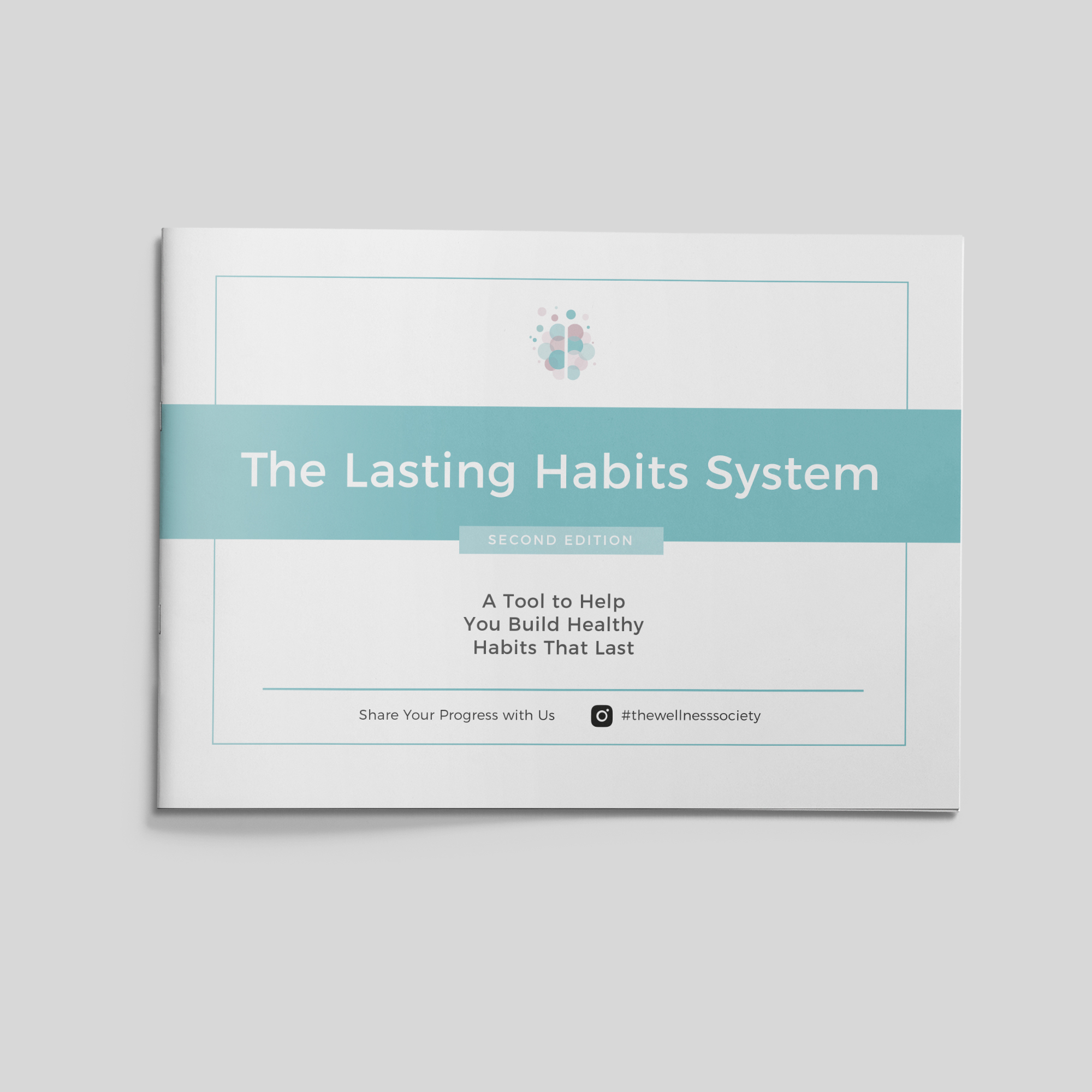
So much of improving your mental wellbeing comes down to building new habits – and behaviour change is difficult.
The Lasting Habits System outlines a science-based process to help make it easier for you. Review the six habits for optimal mental wellbeing and focus on building just one new habit at a time.
Remember that we suggest aiming for a 80% success rate when it comes to completing your new habit. Try to be kind to yourself when you do slip up, and use the Learning From Lapses worksheet to explore ways to become more consistent if you drop below 80% for a sustained period.
Step 3. Begin Your Journaling Practice
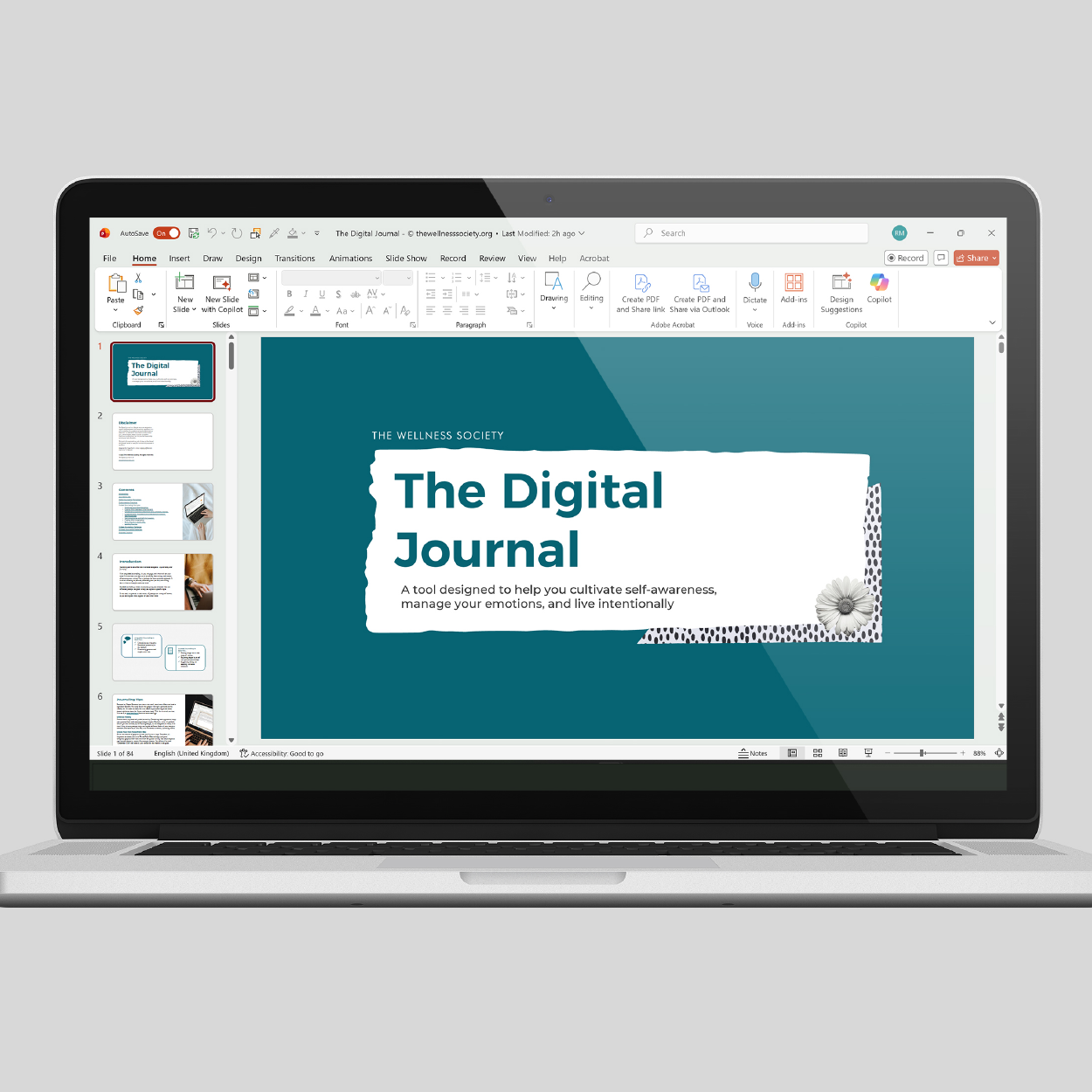
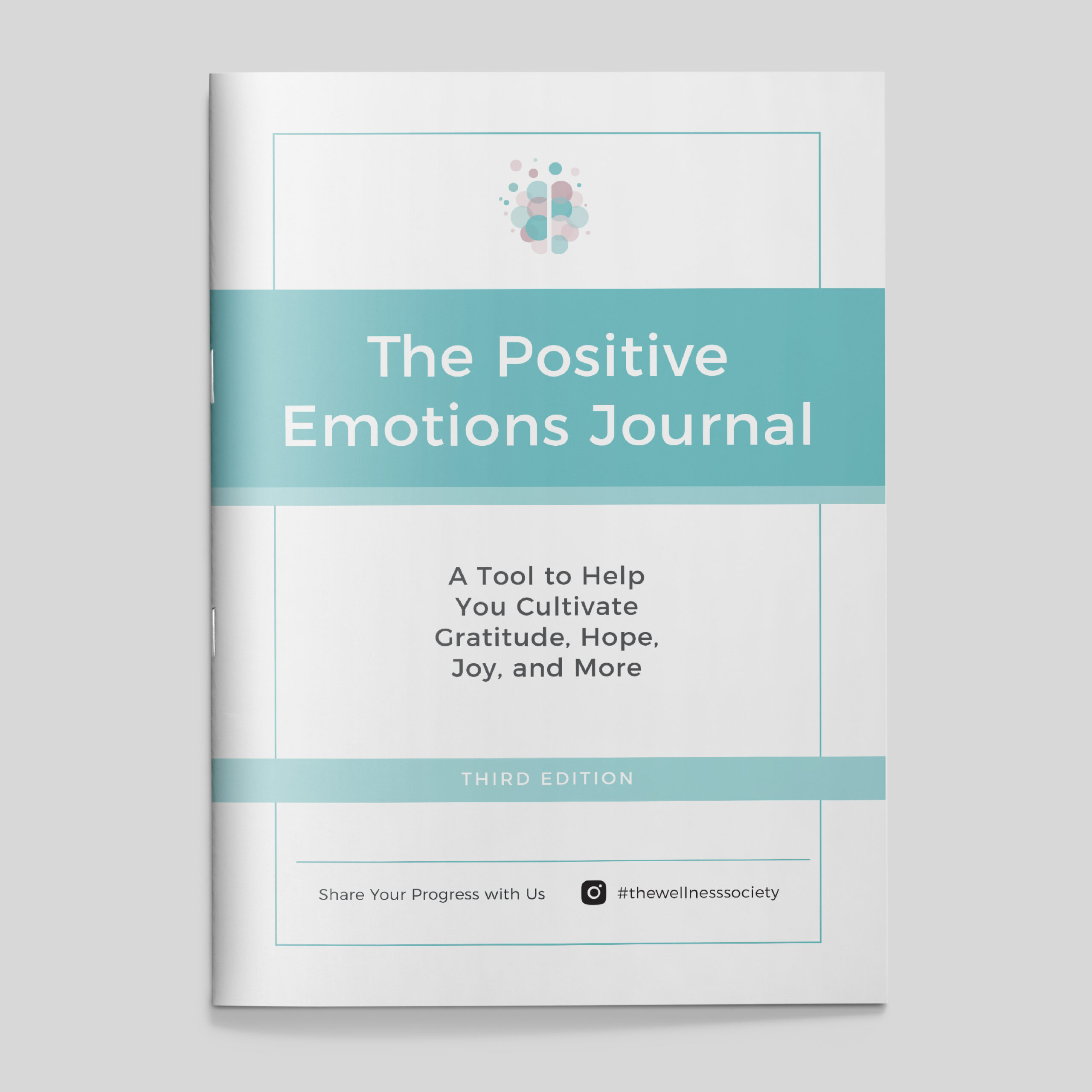
Whereas The Thinking Slow Method helps you reduce distress, journaling can help you cultivate positive emotions. The Toolkit includes two core journaling tools: The Position Emotions Journal (a quick, guided practice) and The Digital Journal (a flexible, deep-dive system).
Remember, journaling doesn’t need to be a daily practice to be valuable. Whether you journal daily, a few times a week, or as part of a regular weekly review, the key is finding a rhythm that feels sustainable for you.
Some days you might prefer the quick structure of The Positive Emotions Journal; other times you might want to explore your thoughts and feelings more deeply using The Digital Journal.
Over time, journaling can help strengthen self-awareness and reinforce the skills and knowledge you've learned throughout the Toolkit.
Step 4. Create Your Better Sleep Plan
Sleep quality is strongly associated with mental (and physical) wellbeing.
Read this comprehensive yet concise guide and create your plan to sleeping well – investing in sleep will help you boost your mood and energy and reduce stress and anxiety.
Step 5. Use The GROW Planner
If you’re feeling stuck, stressed, or overwhelmed by problems, you might actually wish to start your journey with The GROW Planner.
Otherwise, this tool is designed to help stimulate insights into yourself and your life, helping you achieve positive change.
Work through the GROW model, outline your small action steps, and set timelines to check in with your progress.
A Toolkit for Lasting Change
This Toolkit was designed to provide an integrative, evidence-based approach to enhancing mental health and wellbeing.
It brings together complementary tools that target the psychological, behavioural, and situational factors that influence how we feel – from reducing overthinking and emotional distress, to building healthier habits, improving sleep, cultivating positive emotions, and creating meaningful change in your life.
You may find that certain tools resonate more strongly with you than others, and that's okay. We encourage you to approach this Toolkit with curiosity, flexibility, and self-compassion, using it in a way that aligns with your unique needs and preferences.
Be Patient and Persistent
Improving your mental wellbeing is a slow, gradual process.
It often requires an accumulation of cognitive and behavioural changes before you experience a significant change in how you feel.
Try your very best to complete all the steps. This process could take anywhere from 3 months to a year. As Confucius said, “It does not matter how slowly you go as long as you do not stop.”
Also, be mindful that you may feel worse before you feel better. This is a consequence of allowing difficult emotions to surface and be processed. Tackling problems might also make you feel more stressed before you start to feel better.
If at any point you start to feel too overwhelmed emotionally or physiologically, we strongly encourage you to seek the support of a trained professional.
The 30 Day Mental Health Program
After you've worked through the Toolkit, you may wish to complete The 30 Day Mental Health Program. It's designed to reinforce and expand on what you've learned, helping you create even deeper and more enduring change.
You’re welcome to re-enroll in the program as many times as you’d like – just send us an email to arrange it.
Wishing you the very best on your mental wellbeing journey,
Rebecca and the team
The Wellness Society