
If you’ve been practicing mat Pilates in your living room for a while, you might already know some of the benefits it offers. Mat work builds a fantastic foundation of core strength, flexibility, and body awareness. However, the human body is incredibly efficient. Over time, it adapts to the training stimuli provided by your body weight alone.
When your regular routine stops feeling challenging, it’s normal to feel like you need a new way to vary your practice. You might find yourself going through the motions rather than feeling that deep, targeted muscle burn you experienced in the beginning.
Small, affordable tools can add variety and help you focus more closely on how different muscles engage during movement. By introducing the right Pilates equipment, you can add more challenge and variety to your practice.
Here’s how you can thoughtfully upgrade your setup.
Why You Need to Add Resistance
Adding resistance to your workouts is a common way to make movements feel more challenging. This is often referred to as progressive overload. While weightlifters achieve this by adding heavier plates to a barbell, Pilates practitioners often use lightweight tools to add variety and challenge to their routines.
Without added resistance, momentum can sometimes take over during your movements. A band or a ring forces you to slow down and control the eccentric phase of the exercise (when your muscle is lengthening under tension).
This added control can change how the exercise feels. It can increase time under tension, which makes the exercise feel more demanding.
The Ultimate Pilates Equipment List
Here’s the good news: building a highly effective home studio doesn’t require clearing out a spare bedroom. The best home Pilates gear is easily stored in a small basket.
Here’s a breakdown of a few tools you may consider adding to your practice.
Resistance Bands
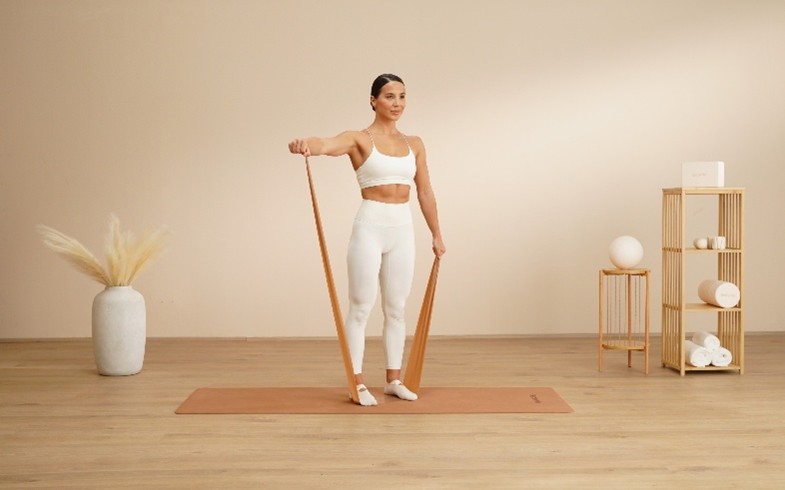
Resistance bands are arguably the most versatile piece of affordable workout equipment you can own.
They come in various tension levels, allowing you to scale the difficulty of your exercises as you grow stronger.
Bands can be useful for both stretching and strength-focused movements. For example, looping a band around your feet during a seated forward fold may help you ease further into the stretch with control.
During strength work, placing a band around your thighs during glute bridges can increase lower-body engagement and make the exercise feel more challenging.
They also provide continuous tension throughout the entire range of motion. This means your muscles are working throughout the full range of motion.
Pilates Ring (Magic Circle)
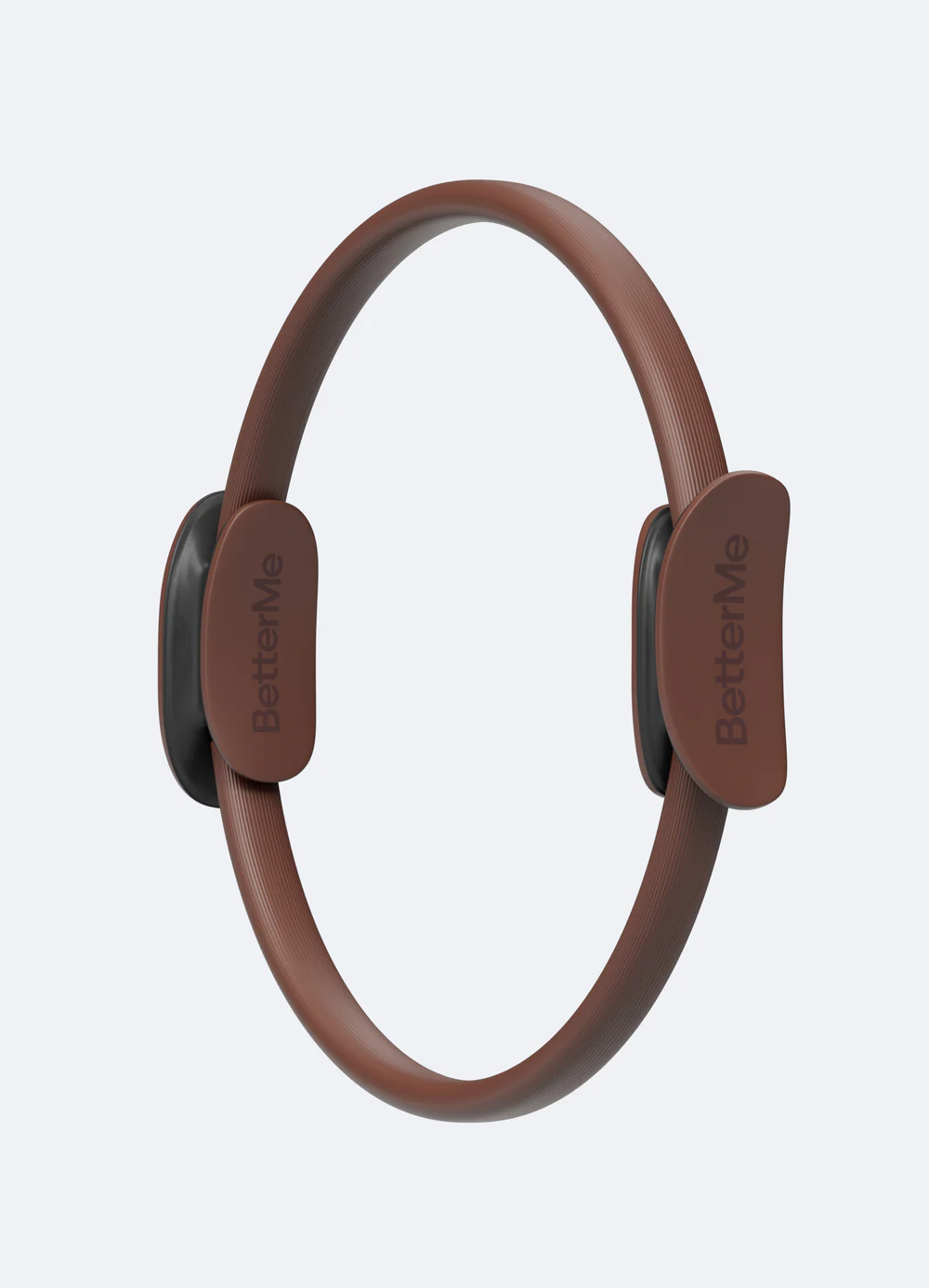
The Pilates ring, often referred to as the Magic Circle, is a classic prop created by Joseph Pilates himself. It’s a flexible ring with padded handles on the inside and outside, designed to provide gentle to moderate resistance.
This tool can be useful for bringing more attention to areas such as the inner thighs and chest. Placing the ring between your ankles or knees during core exercises forces your adductors to fire up, integrating your lower body into the movement.
You can also hold the ring between your hands during a roll-up. Pressing gently inward engages your pectorals and anterior deltoids, helping you maintain a strong, stable upper body posture. The feedback the ring provides is invaluable; it lets you know if you’re applying even pressure or if one side of your body is dominating the movement.
Ankle Weights
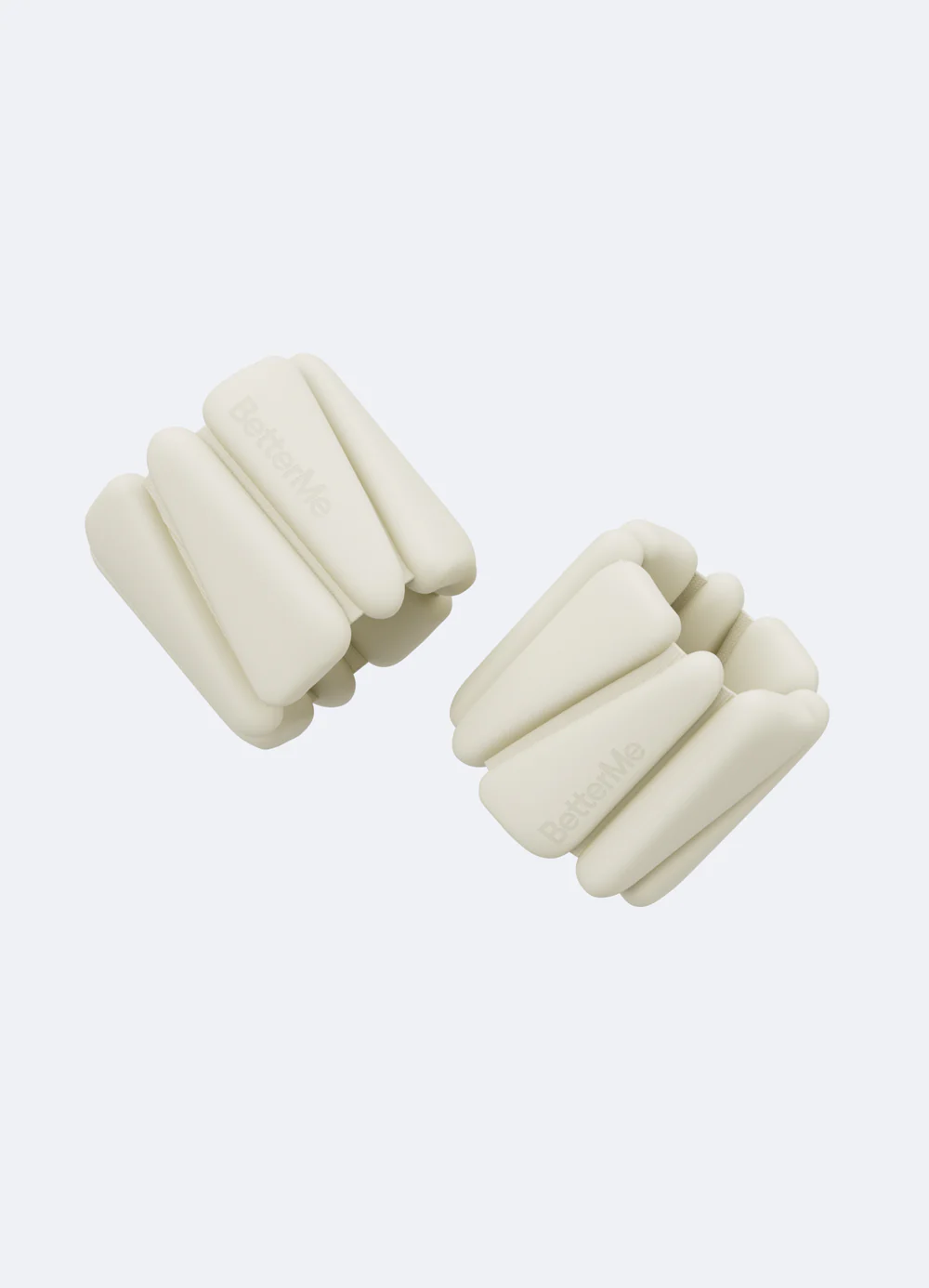
Ankle weights are another way to add more challenge to lower-body and core work.
Adding weight to each leg can make familiar movements feel more demanding. Basic leg lifts, side-lying series, and kick-based movements may require more effort and control.
Ankle weights are particularly useful for targeting the glutes and hamstrings during quadruped (all-fours) exercises. They teach you to lift with intention rather than relying on swinging or momentum.
The key is to start light. Even a small amount of weight is enough to challenge your endurance without compromising your alignment.
Where to Start
When deciding which mat Pilates equipment to introduce first, think about the exercises you currently enjoy and the areas where you feel you need the most challenge.
- If you want to improve your flexibility and add full-body tension, resistance bands are a great starting point.
- If you want to refine your inner thigh and upper body engagement, the Magic Circle is an excellent choice.
Regardless of what you choose, it’s vital not to compromise on material quality:
- Low-quality bands can snap or roll.
- Poorly made ankle weights can irritate your skin.
- Well-made equipment can make your practice feel more comfortable, allowing you to focus on your breath and alignment.
Choosing reliable, comfortable equipment reduces distractions and makes it easier to stay consistent – helping you build a routine that supports both physical progress and mental wellbeing.
Summary
Hitting a plateau is a normal part of any fitness journey. It simply means your body has mastered the current challenges you’re giving it, and it’s ready for something new.
You don’t need to overhaul your entire routine or spend hours working out to keep your practice feeling challenging. Adding a few simple tools is one way to bring variety back into your workouts.
Free Mental Health and Wellbeing Resources
New to our website? At The Wellness Society, we create practical, integrative mental health and wellbeing tools.
Explore our Free Tools Library to access a wide variety of resources today.

About Rebecca
Rebecca Marks is the founder of The Wellness Society, a social enterprise that has supported thousands on their journey to mental wellbeing.
Her tools have been shared by the NHS and featured by Mind, the UK’s leading mental health charity. She comes from a career in mental health charity management, facilitating peer support programs and co-producing initiatives with service users.
Learn more about our story on the About page.