
Stress, impulse control, and drinking problems are deeply interconnected. When stress rises, the brain shifts into survival mode, making thoughtful decisions harder. Alcohol often becomes a fast but temporary way to regulate overwhelming emotions.
Understanding what’s happening in your brain can help you change your behaviour. Drinking problems are often a nervous system problem. When you learn how your brain responds to stress, you gain leverage to change the pattern.
In this article, we’ll explore the relationship between stress, impulsivity, and drinking problems, and how you can start taking back control today.
How Stress Changes the Brain
Stress activates the amygdala, the brain’s threat detector. At the same time, it suppresses the prefrontal cortex, which controls reasoning, planning, and self-control. This combination pushes the brain toward short-term relief over long-term wellbeing.
Under chronic stress:
- Impulse control weakens
- Emotional reactions become stronger
- Habits override conscious choice
This is why cravings often appear suddenly and feel urgent.
Why Stress Increases Alcohol Cravings
Alcohol temporarily dampens the stress response by increasing GABA, a calming neurotransmitter. The brain quickly learns that alcohol equals relief. Over time, this learning becomes automatic.
Your brain starts linking:
- Stress with craving
- Craving with drinking
- Drinking with short-term calm
This loop strengthens with repetition, even if drinking causes long-term harm.
Understanding Impulse Control
Impulse control lives mainly in the prefrontal cortex. This area helps you pause, reflect, and choose. Stress, fatigue, and emotional overload reduce its effectiveness.
When impulse control is low, you act before thinking. Urges feel impossible to resist. “I’ll stop tomorrow” thinking increases.
This isn’t weakness. It’s biology. And you can take back control.
Recognizing Cravings Before They Take Over
Cravings are brain signals, not commands. They rise, peak, and fall like a wave. Learning to recognize and stop the cravings early is one of the most powerful skills you can develop.
Early craving signs include:
- Mental bargaining (“just one”)
- Justifying future use (“today was hard, I deserve it”)
- Romanticising past drinking (“it helped me relax”)
- Sudden restlessness or irritability
- Thinking about alcohol “out of nowhere”
- Scanning the environment for availability (shops, bottles, time alone)
- Feeling a sudden drop in energy
- Increased sensitivity to stress or minor frustrations
- Difficulty concentrating or mental fog
- A strong urge to escape or numb out
- Feeling bored but unable to settle into anything
We’re all different, and that’s why cravings don’t show up the same way for everyone. Your brain, habits, and emotional triggers shape how early warning signs appear. What feels obvious for one person may be subtle for another.
Developing self-awareness means learning how your body and mind signal stress before a craving fully forms. For some people it’s mental: racing thoughts, bargaining, fixation. For others it’s physical: tension, fatigue, agitation.
You can build this awareness by:
- Noticing what tends to happen 30-60 minutes before an urge
- Tracking emotional states like overwhelm, loneliness, or boredom
- Paying attention to body sensations, not just thoughts
Ask yourself simple questions:
- What usually comes first for me? Is it thoughts, feelings, or sensations?
- What time of day do urges show up most often?
- What situations consistently lower my impulse control?
Over time, you’ll start seeing patterns, which become your personal early warning system. Once you can name your signs, they lose power. Awareness creates space, and space creates choice.
Practical Ways to Interrupt the Stress-Drink Cycle
Small actions can shift your nervous system quickly. You don’t need perfect discipline – you need regulation. Here are some techniques to explore:
- Urge surfing
- Grounding techniques for stress and anxiety
- Breathing exercises
- The STOP technique
- The TIPP skill
These techniques calm the amygdala and re-engage the thinking brain.
How to Fix Poor Impulse Control
Improving impulse control is about strengthening the brain’s braking system. This happens gradually through repeated regulation, not willpower. In addition to the techniques above, you can:
- Reduce decision fatigue by setting if-then rules in advance
- Eat regular meals to stabilize blood sugar
- Prioritize sleep to restore prefrontal function
Impulse control improves when the body is supported.
Mindfulness and Impulse Control
Mindfulness skills are central to impulse control. When you’re mindful, you notice an urge without automatically acting on it. This creates a gap between impulse and behaviour.
From a neuroscience perspective, mindfulness strengthens the prefrontal cortex. This is the part of the brain responsible for self-regulation, planning, and restraint. At the same time, it calms the amygdala, reducing threat-driven reactions.
Mindfulness helps you:
- Notice urges as sensations, not commands
- Slow down automatic responses
- Stay present during discomfort
Remember, impulse control isn’t about suppressing urges. It’s about staying with the moment long enough to decide, long enough to take back control.
Even 30-60 seconds of mindful attention can shift the nervous system. That brief pause allows the thinking brain to come back online. With practice, mindfulness changes how urges feel. They become shorter, less intense, less personal. Over time, this builds confidence in your ability to stay in control, even under stress.
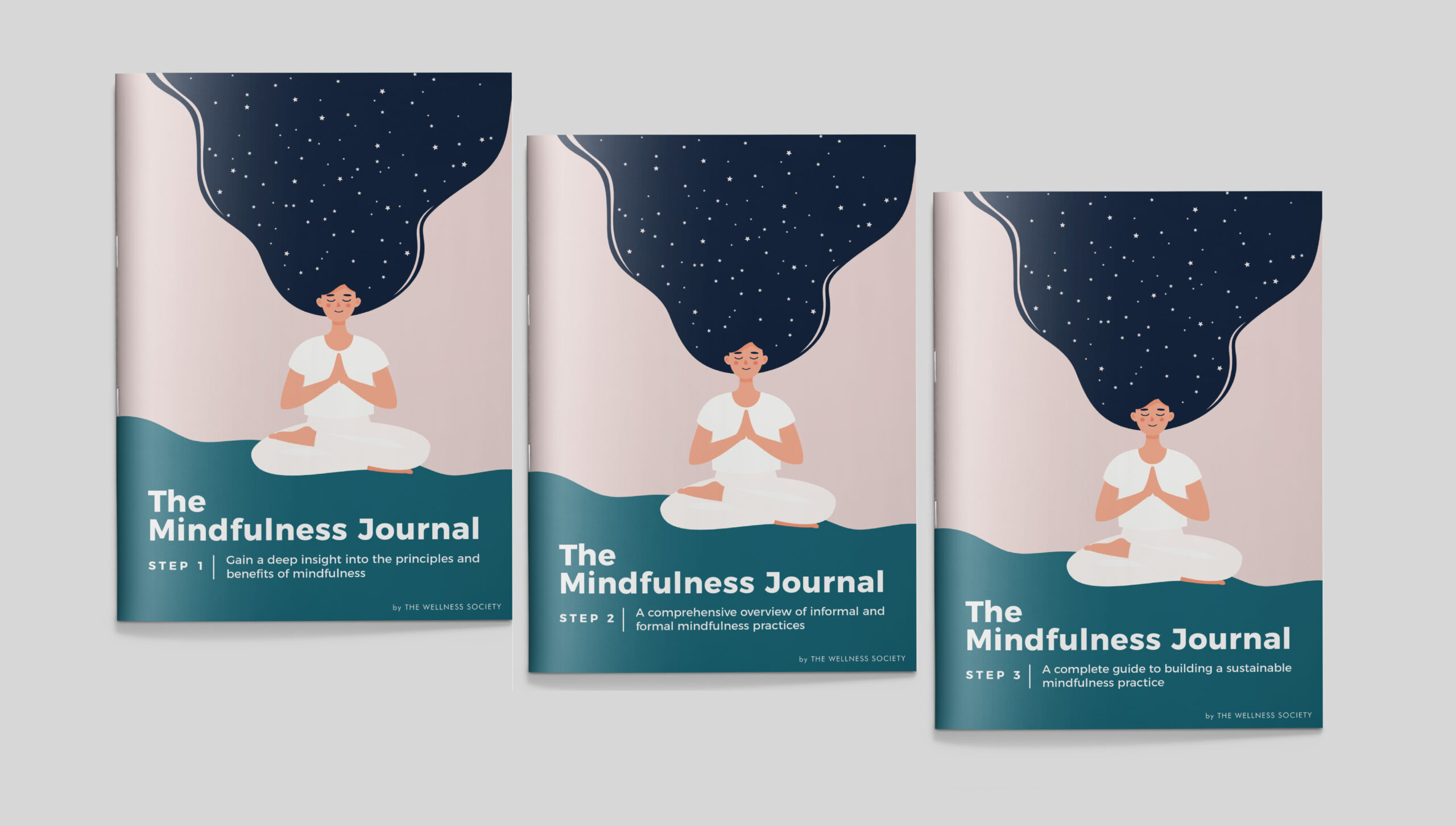
Be sure to check out The Mindfulness Journal if you’d like to enhance your mindfulness skills.
Summary
Stress-driven drinking problems are rooted in brain survival mechanisms. When you learn how stress affects impulse control, you gain tools instead of guilt. With practice, you can learn how to manage your cravings.
Neuroplasticity means the brain changes with practice. Every time you choose not to drink during stress, you weaken the old pathway and strengthen a new one. Each pause, each mindful moment, is evidence that change is already happening. Over time, those moments add up to a brain that feels safer, calmer, and more in your control.
Mindfulness Tools
The Mindfulness Journal helps beginners as well as seasoned practitioners enhance their mindfulness skills. Explore a wide variety of methods and discover what works best for you.



About Rebecca
Rebecca Marks is the founder of The Wellness Society, a social enterprise that has supported thousands on their journey to mental wellbeing.
Her tools have been shared by the NHS and featured by Mind, the UK’s leading mental health charity. She comes from a career in mental health charity management, facilitating peer support programs and co-producing initiatives with service users.
Learn more about our story on the About page.