
When motivation drops, it’s rarely because you “lack discipline.” Habit science shows that consistent action depends on clear cues, manageable effort, and feedback that helps the brain register progress.
This is where habit-building apps can help.
Used well, they reduce decision fatigue, break goals into small steps, and provide gentle structure when energy is low. Rather than relying on willpower alone, they create supportive systems that make it easier to begin – and to keep going.
Why not experiment with a couple and see which one works best for you?
1. Liven
Liven begins with a short assessment to tailor a multi-week plan built around four pillars: mood tracking, guided journaling, small daily actions, and an AI companion called Livie.The app regularly reassesses stress, anxiety, and mood trends, allowing users to track patterns over time. Short grounding exercises (such as breathing and calming audio) sit alongside short explanations of how motivation, habits, and dopamine work.
When repeated stress patterns appear, the AI companion offers simple, plain-language suggestions, such as trying a 60-second breathing exercise before starting a task.
2. Fabulous
Fabulous uses narrative-based “journeys” (for example, Build a Powerful Morning) instead of open-ended checklists.
These journeys integrate small commitments, celebration moments, and gentle prompts to reinforce consistency.
Audio encouragement and written messages encourage motivation without pressure, while habit stacking allows users to link simple actions together (such as starting with hydration and ending with a short writing task).
3. Forest
Forest turns focus sessions into a simple game: start a task, plant a virtual tree, and stay focused to help it grow. Leaving the app early causes the tree to wither.
Over time, users grow a virtual forest, and accumulated points can be used to support real-world tree-planting initiatives. The visual commitment taps into loss-aversion – once something’s started, we’re more likely to protect it.
Recent updates also integrate with device screen-time settings to block distracting apps during focus periods.
4. Habitica
Habitica transforms daily habits into a role-playing game. Completing tasks levels up your character; skipping habits affects your in-game team.
The mix of collaboration and accountability mirrors research showing that shared goals and light competition significantly boost motivation.
Advanced users can create custom challenges or join themed groups aligned with their interests.
5. Loop Habit Tracker (Android)
Loop Habit Tracker is a clean, free, and open-source habit app for Android users who want simplicity without distractions.
It focuses on clear streak tracking, habit statistics, and visual progress charts. There are no ads, no subscriptions, and no cloud accounts required, making it especially appealing for users who value privacy.
6. Streaks
Streaks (very popular on iOS) focuses on simplicity, limiting users to 24 habits.
Bold visuals, subtle haptic feedback, and seamless Apple Health integration provide immediate feedback without distraction.
Data is stored locally by default, appealing to users who value privacy. The app works well for maintaining consistency rather than managing complex projects.
Practical Tips for Using Apps Well
- Use one primary app at a time.
- Anchor habits to existing routines (after brushing your teeth, after your evening commute, etc.).
- On low-energy days, switch to low-effort habits.
- Review progress weekly to notice patterns and adjust expectations.
- Limit notifications to avoid alert fatigue. Fewer, well-timed prompts are more effective than constant reminders.
- Adjust goals during high-stress periods rather than abandoning them entirely.
Summary
Whether you prefer calming guidance, visual focus tools, social accountability, or minimalist tracking, the most effective app is the one that fits your energy, personality, and lifestyle.
Experiment, keep what helps, and let go of what doesn’t.
Small, consistent actions add up.
Remember, habits are easier to build when your environment and tools reduce friction. So instead of relying on motivation, the system (apps, reminders, cues) helps you begin even when you don’t feel like it. Whichever app feels easiest for you to use is more likely to support consistency.
Helpful Tools
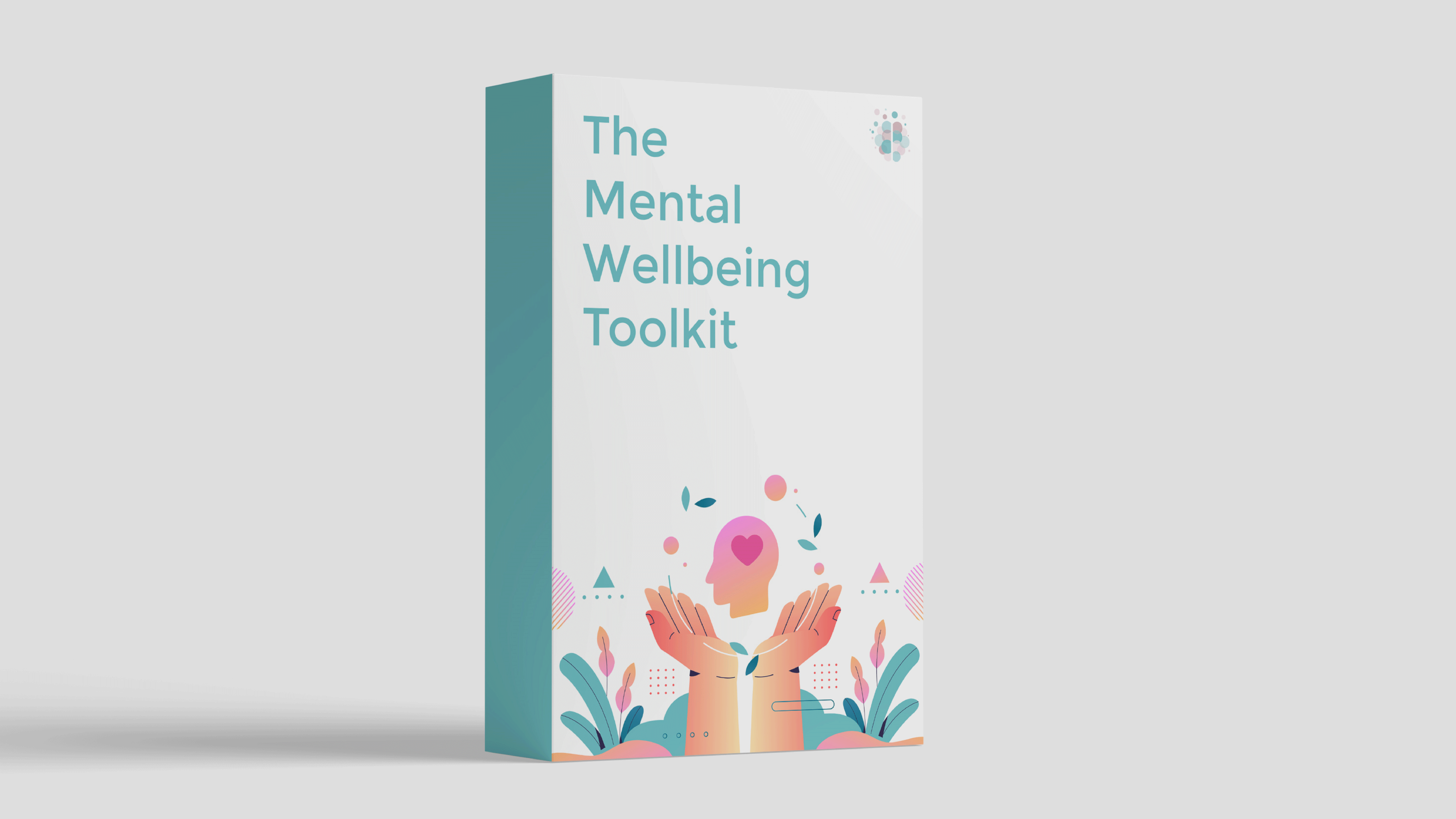
Our self-guided program includes tools from CBT, DBT, ACT and more, so you can discover what works best for you. Check out The Mental Wellbeing Toolkit today – it's "like 10 therapy sessions in one."



About Rebecca
Rebecca Marks is the founder of The Wellness Society, a social enterprise that has supported thousands on their journey to mental wellbeing.
Her tools have been shared by the NHS and featured by Mind, the UK’s leading mental health charity. She comes from a career in mental health charity management, facilitating peer support programs and co-producing initiatives with service users.
Learn more about our story on the About page.