
We’ve always been deeply committed to creating tools that are trauma-informed and compassionate – it’s at the heart of everything we do.
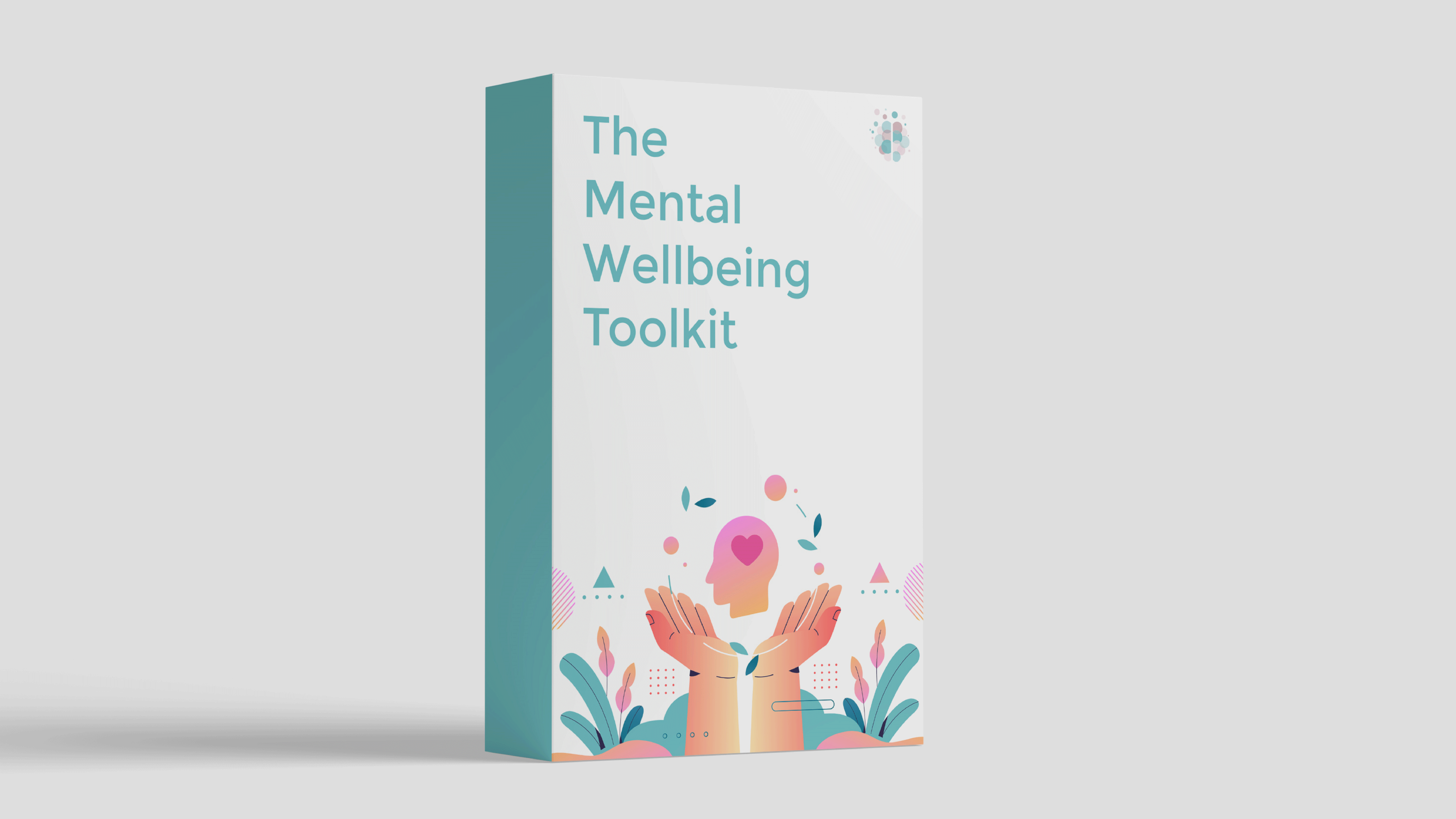
In this article, we’ll explore five different ways our Toolkit addresses the common challenges experienced by those with fearful avoidant attachment.
We hope this gives you a clearer understanding of how structured self-help interventions can support attachment change.
1. It Builds Emotional Awareness
Fearful avoidant activation often feels sudden.
One minute you feel close and connected, the next you want to run.
The Toolkit includes:
- Mood trackers
- Feelings wheels
- Guided reflection exercises
- Guided journaling prompts
These tools help you notice, name, and understand what you’re actually feeling, whether it’s fear, shame, or overwhelm.
When you practice tuning into and labelling your emotions, they become less threatening.
Awareness creates space between feeling and reaction, which is the first important step toward secure attachment.
Why? Because it interrupts the automatic, survival-driven responses of the nervous system which keep you stuck in fearful avoidant attachment patterns.
2. It Teaches Emotional Regulation Skills
Fearful avoidant patterns are often attempts to regulate overwhelming emotions.
They can be understood as unconscious automatic nervous system responses, not deliberate decisions.
You don’t think, “I’m going to create distance now!”
Instead, you suddenly feel irritated, doubtful, disconnected. Your body shifts into protection mode, and the behaviour follows almost reflexively.
The mind then creates a story to justify the reaction and behaviours:
"Maybe we're not compatible."
"Something feels off."
"I can't trust them."
"They're not right for me."
"Perhaps I'm better off on my own."
Example Fearful Avoidant Behaviours
Here are some examples of these behaviours rooted in unconscious automatic nervous system responses:
- Obsessing over a partner’s flaws. Feeling attached triggers fear of abandonment or engulfment. Focusing on your partner’s flaws makes them appear less valuable, which helps you feel less vulnerable.
- Creating conflict. When closeness increases, intimacy starts to feel unsafe. Creating conflict serves to create distance which reduces this anxiety.
- Emotional shutdowns after vulnerability. To restore your sense of control and reduce anxiety, you may withdraw or go cold after opening up.
- Testing your partner’s love. You feel insecure but have difficulties asking for reassurance. Instead, you pull away, provoking a reaction from your partner. You’re seeking reassurance without direct vulnerability.
These patterns are protective adaptations.
At some point in your life, distancing, shutting down, or staying hyper-alert probably helped you cope. The problem is that what once protected you can now sabotage the closeness you’re craving.
To shift these patterns, you need to cultivate emotional regulation skills that help your nervous system feel safe in intimacy.
The Toolkit provides practical, easy-to-follow techniques to help you:
- Manage anxiety
- Sit with discomfort without shutting down
- Learn to recognise and manage shame and emotional flashbacks
Instead of distancing yourself from your partner to feel safe, you learn the emotional regulation skills to create safety within yourself.
This builds distress tolerance – one of the most important skills for shifting toward secure attachment.
3. It Helps You Practise Self-Validation
Many fearful avoidants grew up feeling unseen.
As adults, this can show up as:
- Feeling uncomfortable expressing your needs
- Doubting your own feelings
- Harsh inner criticism
The Toolkit includes exercises that help you:
- Connect feelings to needs, while learning structured ways to express them effectively
- Respond compassionately to your inner critic
- Validate yourself – because your feelings and needs matter
When you learn to validate your emotional experience, you become less dependent on push-pull dynamics for reassurance.
4. It Rebuilds Identity
Many fearful avoidants struggle with identity confusion and self-abandonment, losing themselves in relationships and not having a strong sense of self.
The Toolkit includes:
- Values clarification
- Goal-setting systems
- Habit-building frameworks
This helps you build a stable sense of self outside of relationships. When you feel grounded in who you are, closeness feels less threatening.
Imagine what it’d feel like to regularly use tools that help you check in with yourself, keeping you aligned with your needs, goals, and priorities – no more neglecting yourself in relationships.
5. It Supports Long-Term Secure Habits
Secure attachment is built through consistent emotional habits.
The Toolkit provides step-by-step systems to:
- Create sustainable behaviour change
- Track progress
- Reinforce positive changes
Over time, these consistent practices retrain your nervous system, helping you respond to closeness with confidence instead of fear.
Small, repeated steps build trust in yourself and in your relationships, gradually transforming old fearful patterns into secure, lasting connection.
Summary
The Mental Wellbeing Toolkit helps you shift further along the spectrums from:
- Unaware to aware
- Reactive to regulated
- Self-critical to self-validating
- Avoidant to communicative
- Fearful to secure
It gives you the emotional skills many fearful avoidants weren’t taught.
And when you consistently practise those skills, your attachment style evolves naturally as your nervous system learns that closeness can be safe.
If you're willing to do the work, secure attachment is absolutely possible. You’ve got this!



About Rebecca
Rebecca Marks is the founder of The Wellness Society, a social enterprise that has supported thousands on their journey to mental wellbeing.
Her tools have been shared by the NHS and featured by Mind, the UK’s leading mental health charity. She comes from a career in mental health charity management, facilitating peer support programs and co-producing initiatives with service users.
Learn more about our story on the About page.