
Caring for a child with autism can be deeply fulfilling – but it also comes with ongoing emotional, physical, and mental demands. Over time, the stress can add up, often without you realising it. That’s why proactive self-care isn’t optional – it’s essential. You are your child’s anchor. When you’re supported, they thrive too. Here’s what every parent of a neurodiverse child should keep in mind:
:
1. Understand and Recognise Compassion Fatigue
Many parents give endlessly without realizing they’re running on empty. This can lead to compassion fatigue – a state of emotional and physical exhaustion common among caregivers.
Signs to watch for:
- Feeling emotionally numb, detached, or irritable
- Constant fatigue or trouble sleeping
- Guilt over needing a break
What to do:
- Remind yourself: This is normal. You’re not alone. It doesn’t make you a bad parent.
- Learn to say no without guilt. Protect your low-energy moments.
- Try a 5-minute daily check-in: Journal, stretch, or simply breathe mindfully. Micro-moments matter.
2. Create Restorative Home Habits
You don’t need a spa or a meditation retreat. Small daily habits can help calm your nervous system and create a more peaceful environment – for you and your child.
Try this:
- Use soft lighting in the evening. Add calming music or a diffuser with lavender or chamomile.
- Block off 20 minutes a day (use a timer) for something that fills you up: a walk, reading, or just sitting in silence.
- After bedtime, don’t go straight into chores. Do one small calming ritual to transition yourself into rest mode – a bath, herbal tea, or gentle stretching.
3. Set Realistic Daily Goals
Let go of perfection. Raising a neurodiverse child requires flexibility and patience, not flawless execution.
Shift your focus to:
- Small, achievable wins (e.g., 5 minutes of potty training for autism mastering the whole process in a week).
- Breaking tasks into bite-sized steps and celebrating any progress.
- Creating gentle structure with room to adapt – a visual schedule can offer predictability without rigidity.
4. Build a Support Network
Self-care isn’t only about what you do alone. It also means letting yourself be supported by others. Support options include:
- Peer groups. Join online communities of other parents who get it.
- Parent coaching. Tailored strategies from professionals who understand both child development and emotional resilience.
- Family and friends. Ask directly for help. Be specific – “Could you cook on Wednesday by any chance?” is more effective than “Let me know if you can help.”
5. Protect Your Health Like You Do Theirs
Your medical, mental health, and therapy appointments are just as important as your child’s. Don’t keep putting them off.
How to prioritize your own health:
- Schedule your appointments at the same time you book your child’s therapies – make it part of your routine.
- Use digital calendars or alarms to remind you – and actually block the time off.
- Reframe self-care as family care. When you’re healthier, everyone benefits.
Summary
Supporting a neurodiverse child’s wellbeing and milestones isn’t about pushing them to fit a mold – it’s about expanding the mold to fit them. With self-care, patience and a deep well of love, you’re helping them build a life that honours who they truly are. And in doing so, you’re becoming someone deeply wise, resilient, and brave. You’ve got this!
Helpful Tools
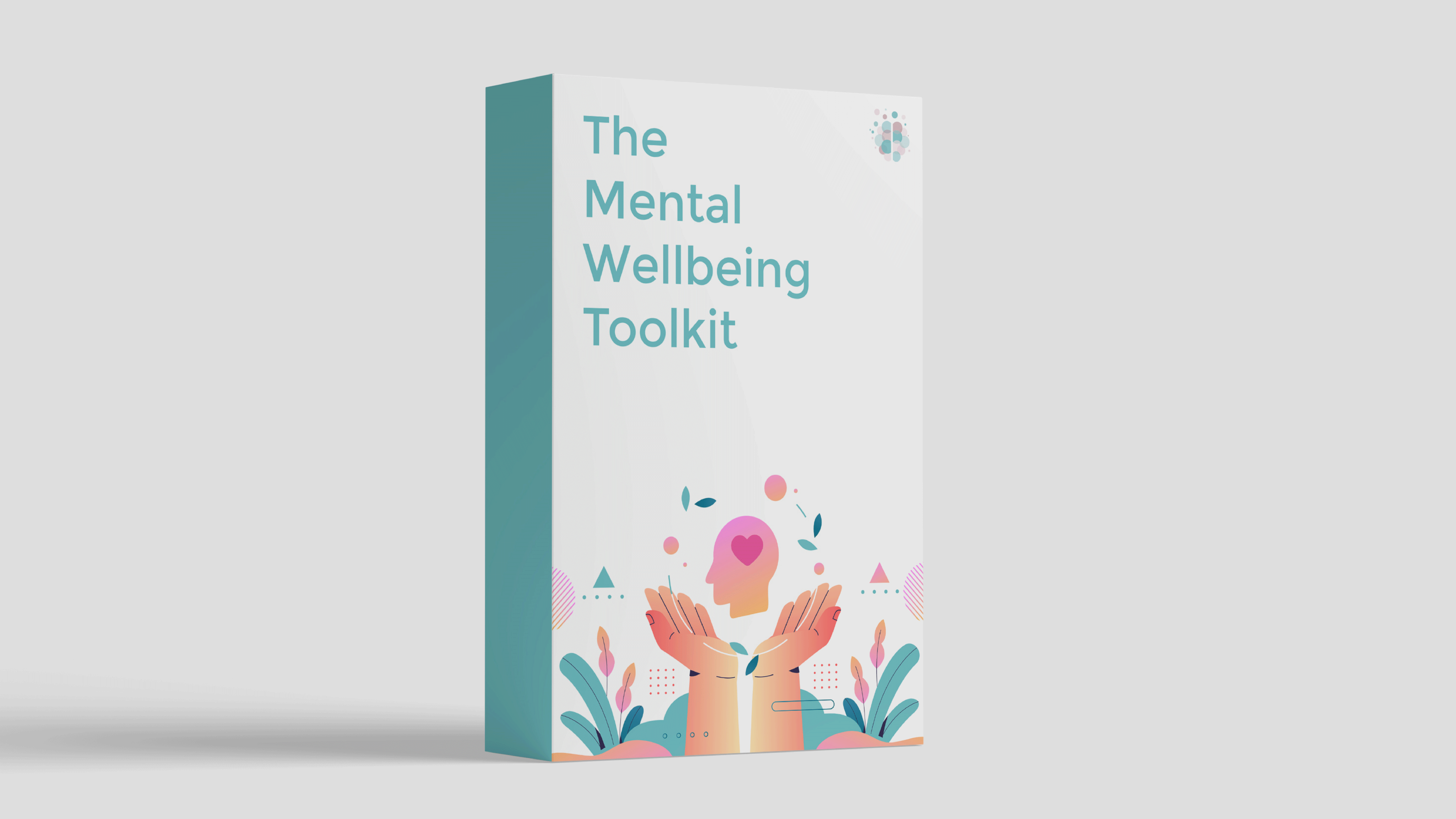
Our self-guided program includes tools from CBT, DBT, ACT and more, so you can discover what works best for you. Check out The Mental Wellbeing Toolkit today – it's "like 10 therapy sessions in one."



About Rebecca
Rebecca Marks is the founder of The Wellness Society, a social enterprise that has supported thousands on their journey to mental wellbeing.
Her tools have been shared by the NHS and featured by Mind, the UK’s leading mental health charity. She comes from a career in mental health charity management, facilitating peer support programs and co-producing initiatives with service users.
Learn more about our story on the About page.